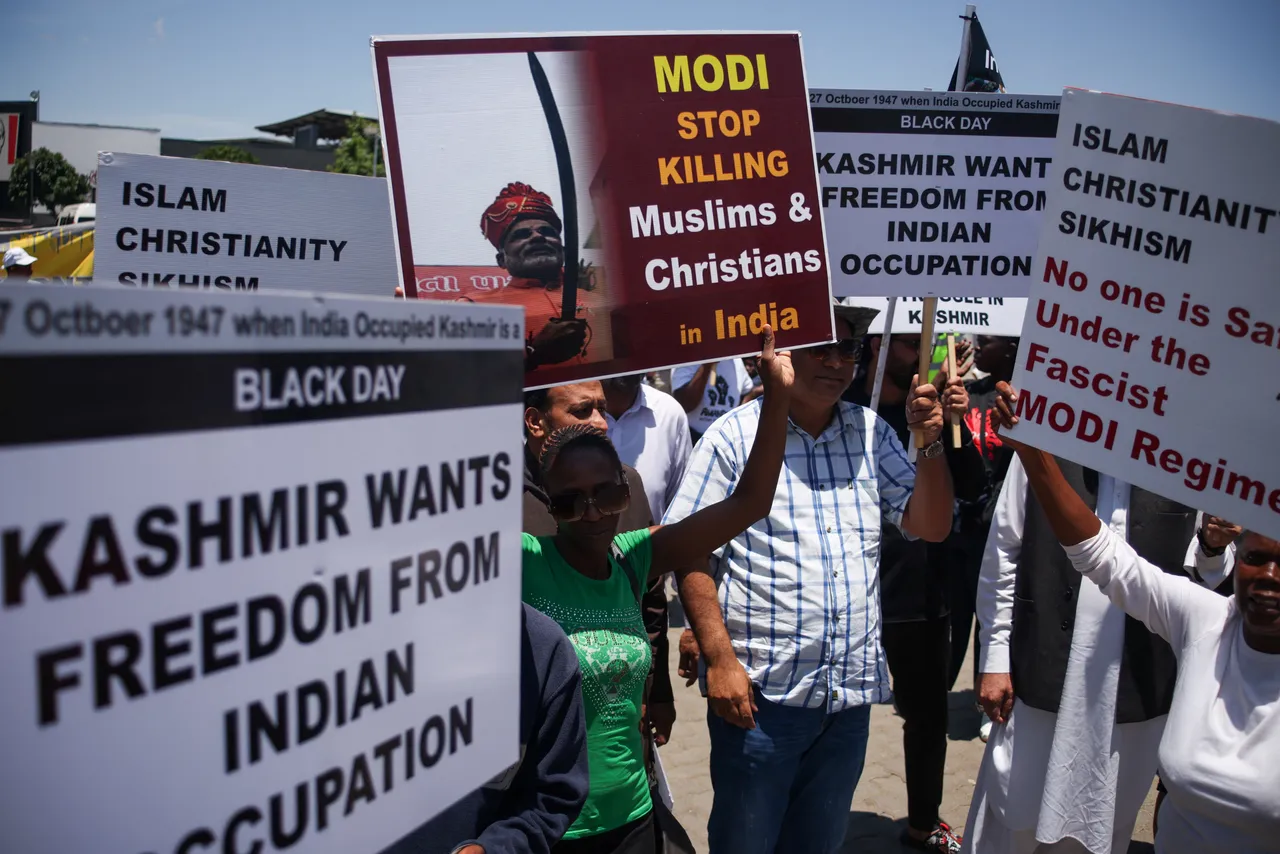
Pakistan has strongly rejected the jail sentences handed to a Kashmiri leader and her two associates, calling the verdict a “grave miscarriage of justice".
In a statement on Wednesday, the Foreign Ministry said that the court ruling reflects a “broader pattern of suppressing dissent” in India-administered Kashmir.
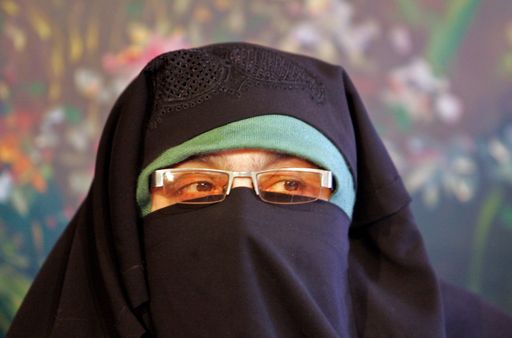
An Indian special court on Tuesday sentenced Asiya Andrabi to life in prison, while two of her associates, Sofi Fehmeeda and Nahida Nasreen, were each sentenced to 30 years under India’s infamous anti-terror laws.
The three were convicted in January on charges including “conspiracy to commit terrorist acts and waging war against the state”.
Andrabi, who founded the all-women resistance organisation Dukhtaran-e-Millat in 1987, which was later banned by the Indian government, was arrested in April 2018.
Calling Andrabi “a vocal advocate for the Kashmir cause", Islamabad urged the international community, including the United Nations, to hold India accountable for its actions in Kashmir.
Pakistan reaffirmed its support for the Kashmiri people’s right to self-determination under UN resolutions.
Muslim-majority territory faces strict restrictions

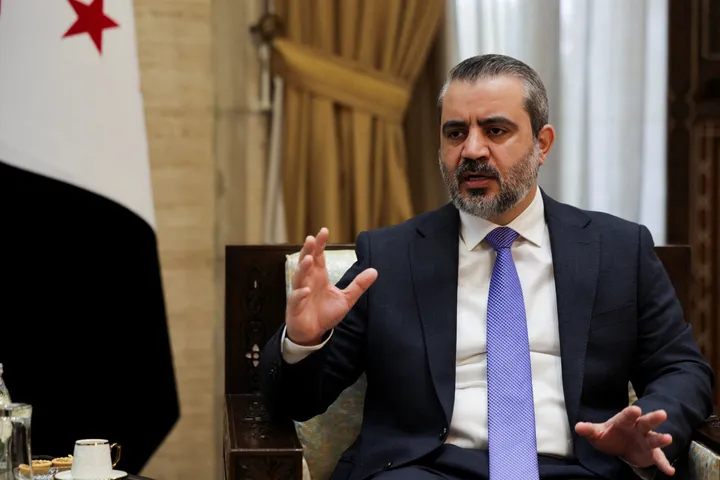



Separately, Kashmiri leader Mirwaiz Umar Farooq also expressed concern over the sentencing, saying the punishment appears severe given the years they have already spent in detention.
He urged a review of the case on humanitarian grounds, calling for sensitivity to Andrabi’s age and health and appealing for their release.
New Delhi rejected Pakistan’s statement, calling it interference in India’s internal affairs.
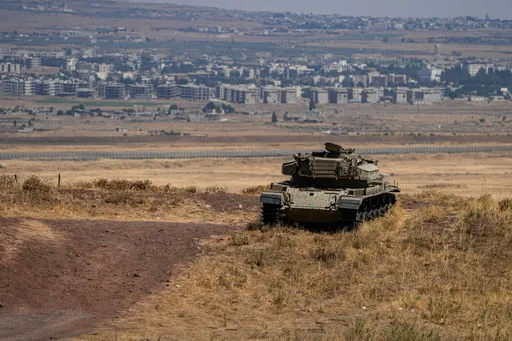
Kashmir, a Himalayan region claimed in full by both India and Pakistan but administered in parts by each, has been a longstanding flashpoint between the two countries, triggering three wars since 1947.
Rights groups and international observers have long criticised India’s use of the UAPA to suppress political dissent.
The case adds to a series of prosecutions of Kashmiri political figures, including Yasin Malik, who received a life sentence in 2022 under similar charges.
Since 2019, following the revocation of the region’s constitutional autonomy, India has imposed strict restrictions in the Muslim-majority territory, drawing condemnation from human rights organisations for curbing the movement for self-determination.