 Zeynep Conkar
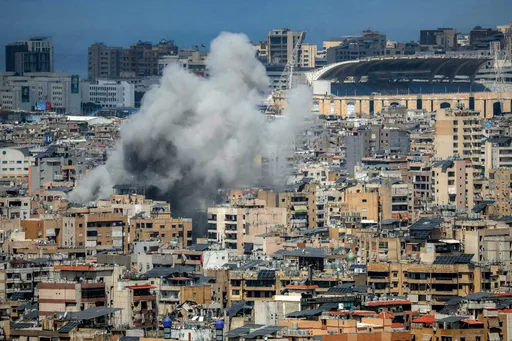
As Israel’s genocide in Gaza entered its second year, ordinary consumers across continents have been turning their wallets into weapons, forcing even the most untouchable global corporations to reckon with their complicity.
For those taking part, the boycott is about reclaiming agency when governments look away, turning every refusal to purchase into a statement against genocide.
Over the last two years, as images of mass destruction in Gaza spread, global brands accused of siding with Israel, including McDonald’s, Starbucks, Coca-Cola, Nestle, and Nike have watched their profits shrink and reputations falter.
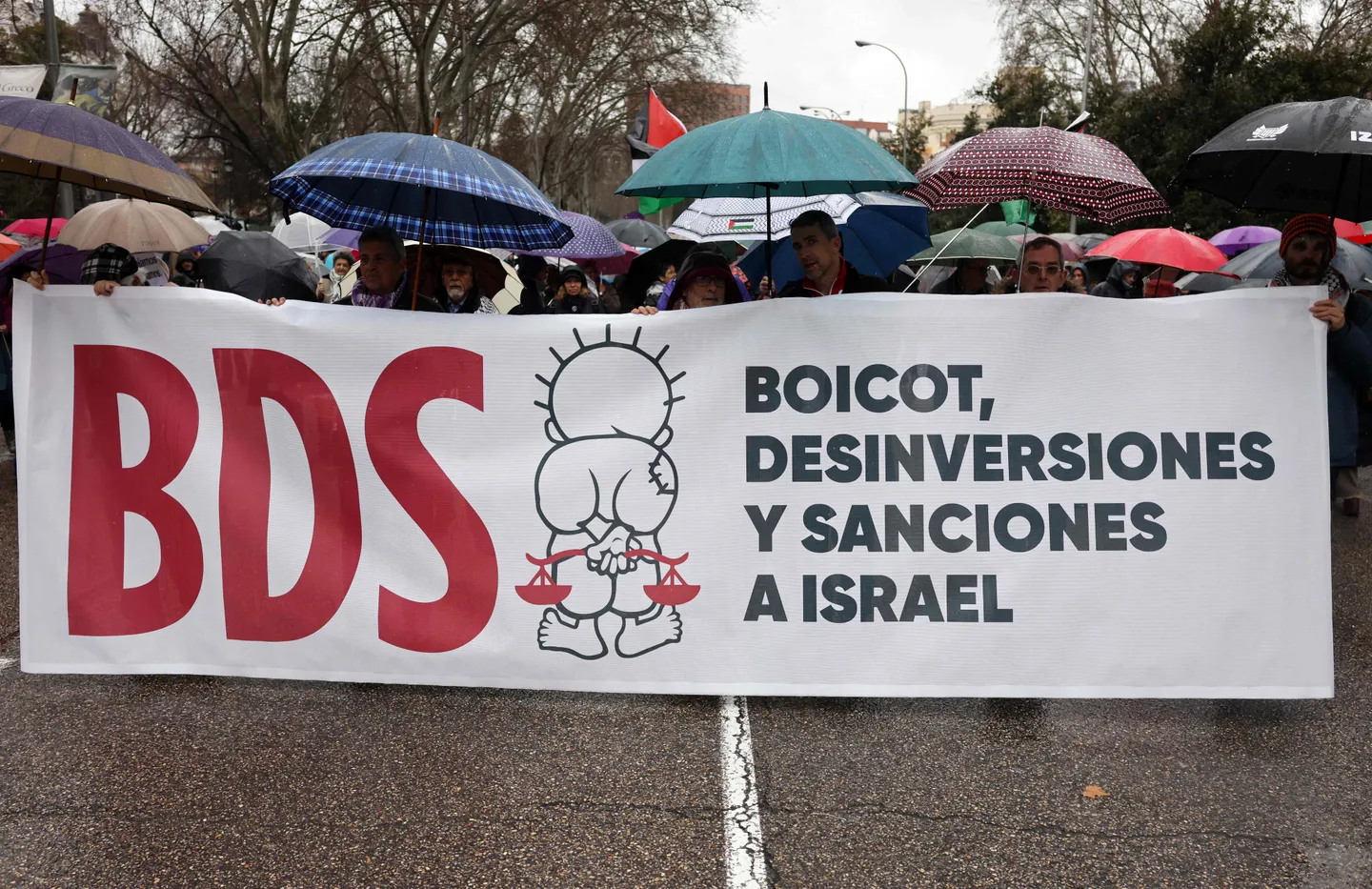
Drawing parallels between two apartheid regimes, the Boycott, Divestment and Sanctions (BDS) movement reminds that sanctions played a decisive role in bringing down apartheid South Africa.
“Given Israel’s deep dependency on global markets, imposing targeted and lawful sanctions is one of the most effective ways to help end its genocide and dismantle its apartheid regime that has oppressed Palestinians for decades,” the BDS Movement media office tells TRT World.
“Genocidal Israel is feeling the repercussions of isolation and exclusion from below, led by tens of millions of solidarity activists and movements for racial, economic, social, gender, and climate justice worldwide.”
The power of boycotting
The global boycott movement has reshaped the balance sheets of some of the world’s biggest brands. Nowhere is its impact more visible than in the food and beverage industry, where once-untouchable giants are struggling to recover from the financial backlash.
McDonald’s, long a symbol of Western consumer culture, has seen sales shrink across major markets, with several franchises shutting down in the Middle East.
The company reported its first sales decline in nearly four years, with global revenues falling 0.1 percent in 2024 and 1 percent in early 2025. It admitted that Israel’s genocide in Gaza had “meaningfully impacted” performance in key international regions.
Starbucks has faced similar consequences over its support for Israel. The company has seen three consecutive quarters of falling sales, a 2 percent revenue drop in the third quarter of 2025, and widespread layoffs across North America and Southeast Asia. In Malaysia, its local operator reported a staggering 36 percent fall in annual sales.
Other complicit fast-food chains have also suffered heavy losses. Australia-based Domino’s Pizza Enterprises posted its first annual loss in decades following widespread closures in Asia, while KFC and Pizza Hut operator Americana Group saw profits plunge nearly 39 percent.
Similarly, Coca-Cola’s global sales slipped 1 percent in the second quarter of 2025, with Türkiye reporting a sharper 5 percent decline. PepsiCo and Unilever both reported quarterly losses, while Nestle’s net profit fell more than 10 percent in early 2025.
A new form of accountability
For many, refusing to buy a product is the only form of justice left.
With the US and some Western governments unwilling to hold Israel accountable, millions have turned to their wallets as a form of resistance.
The BDS movement says this global awakening has redefined accountability itself.







“Colombia, Türkiye and other countries from the Global South are imposing energy, trade, and military embargoes on Israel. In the West, Spain, Slovenia, and Scotland are among those now supporting sweeping sanctions,” BDS notes.
Even Israel’s leadership appears to feel the impact.
“Israel’s Prime Minister, chief genocidaire who is wanted by the International Criminal Court for war crimes and crimes against humanity, has recently admitted this unprecedented global isolation,” the group explains.
The boycott wave has reached far beyond the food and beverage industry. Sportswear brands and fashion retailers are facing a crisis of trust.
Nike’s profits plunged 86 percent in the second quarter of 2025, with sales dropping 12 percent globally and double-digit losses across the Middle East and Africa as boycotts intensified. Puma, long condemned for sponsoring the Israel Football Association, reported a more than 3 percent sales decline in the region.
Zara became another flashpoint after opening its largest-ever store in Israel early this year. Its parent company, Inditex, soon reported shrinking sales across Asia and the Americas as boycott calls spread online.
The real power of this moment lies in the erosion of trust. Once a brand becomes associated with indifference to human suffering, rebuilding credibility becomes far harder than recovering lost profits.
“Governments and corporations, particularly in the US and Europe, have enabled these crimes by arming, funding and shielding genocidal Israel from accountability,” says BDS.
“They, as well as complicit institutions and media outlets, have partnered with Israel in dehumanising Indigenous Palestinians, repressing the advocacy of Palestinian liberation, and dealing a fatal blow to international law in the process,” it adds.

When consumers lead the global resistance
Across campuses, social media platforms, and local communities, activists have turned consumer choice into a political weapon, transforming every purchase, or refusal to purchase, into an act of solidarity.
This wave of economic resistance has exposed that even a global capitalist system is vulnerable when moral pressure can move markets. It has shown that when governments fail to act, ordinary people can redefine what accountability looks like.
The BDS movement describes this as part of a wider awakening, a growing global consciousness that challenges corporate complicity in systems of oppression.
“Our hope is rooted in decades of popular resistance and the rise of grassroots power,” the group says.
“Now is the time to escalate disrupting complicity for Palestine, for humanity! Intensify BDS efforts now more than ever to isolate genocidal Israel and its complicit institutions on every front,” it adds.
Two years on, the boycott movement has done more than shrink profits. For companies sided with the Zionist entity, even if governments don’t punish them, their own customers will.