 Kazim Alam
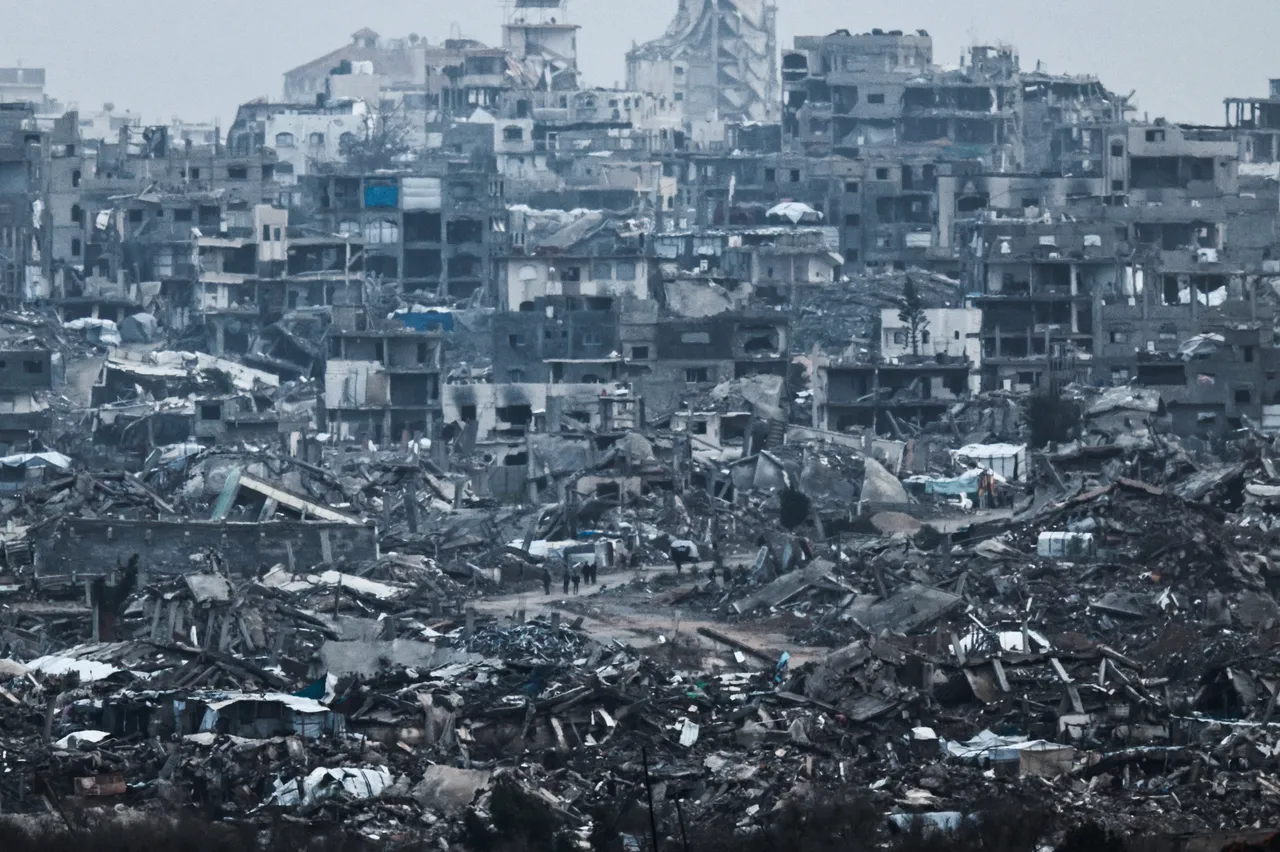
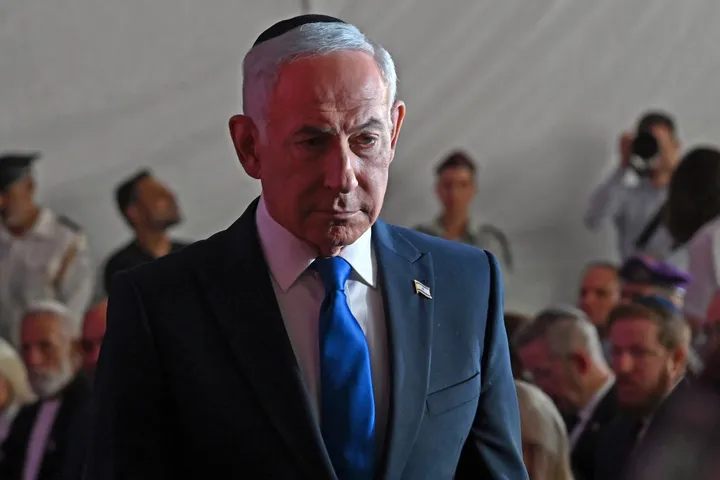
Israel's decision on December 26 to become the first country to formally recognise the separatist entity of Somaliland as an “independent and sovereign state” has triggered widespread international outrage, deepening fears that it is part of a strategy to forcibly displace Palestinians from Gaza.
Even though it seceded from Somalia in 1991, Somaliland is recognised by neither the African Union nor the UN as an independent state.
Israeli Prime Minister Benjamin Netanyahu's announcement, made during a phone call with Somaliland's self-proclaimed president Abdirahman Mohamed Abdullahi, was framed as expanding cooperation in agriculture, health and technology.
Yet the move has been widely condemned as a blatant violation of Somalia's sovereignty and territorial integrity, with many linking it directly to Israel's ongoing aggression in Gaza.
The Arab League, African Union, Egypt, Türkiye, Saudi Arabia and numerous other states have rejected the recognition, explicitly warning that it could facilitate the forced relocation of Palestinians, a policy critics describe as ethnic cleansing.
At a UN Security Council briefing on Israel’s recognition of Somaliland, Pakistan called Tel Aviv’s act “deeply troubling”, given that Israeli officials have previously referred to the territory as a “destination for the deportation of Palestinian people, especially from Gaza”.
Yunus Turhan, African affairs expert and associate professor at Ankara Haci Bayram Veli University, frames Israel's action as driven by dangerous strategic motives tied to Gaza.
“Israel’s decision to recognise Somaliland, despite receiving criticism from across the African continent and beyond, can be assessed within the framework of strategic calculations,” Turhan tells TRT World.
“In the short term, this move may be linked to ongoing discussions concerning forced population transfer scenarios in the context of Gaza, with Somaliland potentially being considered as one such option,” he says.
He points out that the Netanyahu government has been exploring Somaliland as an alternative destination for Palestinians.
Sudan, Somalia, Ethiopia, Libya and Indonesia are some of the other countries that Israel has reportedly approached for the resettlement of about two million Palestinians uprooted by the war in Gaza.
Israel’s plans have faced global criticism, and even Donald Trump’s 20-point Gaza peace plan explicitly states that no one will be forced to leave Gaza, and those who wish to leave will be free to do so and free to return.
Turhan says that any policy advocating the forced relocation of Palestinians will constitute a clear violation of the commitments endorsed during the first phase of the peace plan.
But the fact remains that Israel has shown little regard for peace agreements.
Since the announcement of a ceasefire on October 10, Tel Aviv has repeatedly violated the truce, killing more than 400 Palestinians.
“Israel has repeatedly deviated from such commitments in the past, and the Somaliland issue should therefore be interpreted as presenting Gazans, already exhausted by prolonged warfare, with an almost impossible choice,” he says.
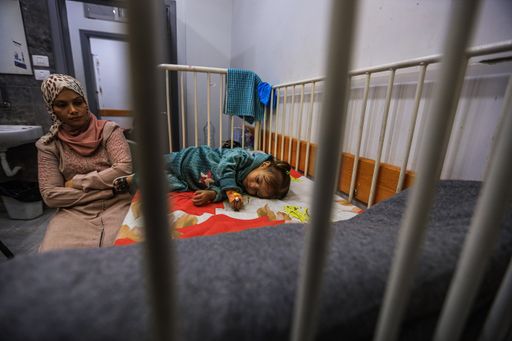
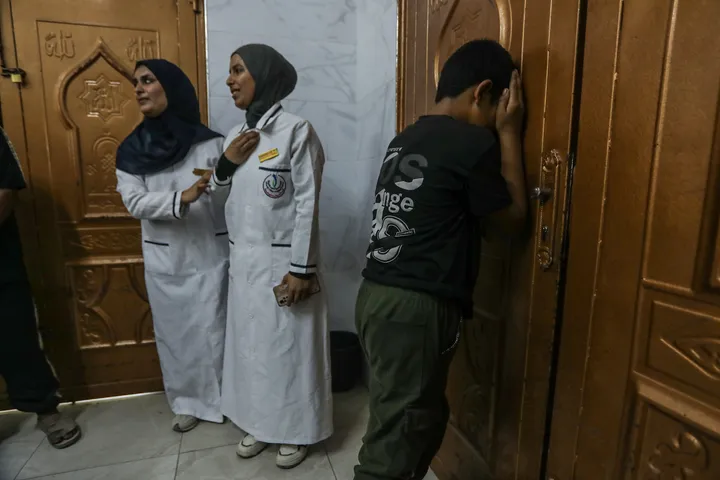
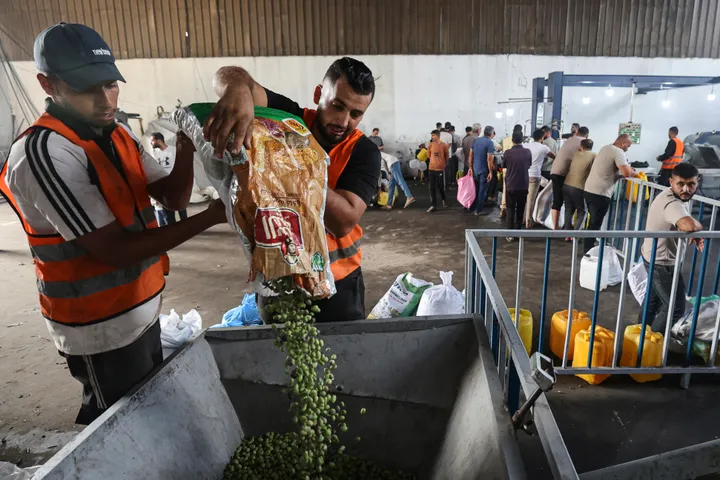
Any relocation of Palestinians from Gaza will only exacerbate an already catastrophic humanitarian situation, likely resulting in additional casualties, he adds.




According to Kaan Devecioglu, the coordinator for North and East African Studies at the Ankara-based think tank ORSAM, Israel’s recent discourse on “permanent security control” in Gaza cannot be reduced to a single official document establishing a direct intent-policy link with allegations of forced displacement or ethnic cleansing.
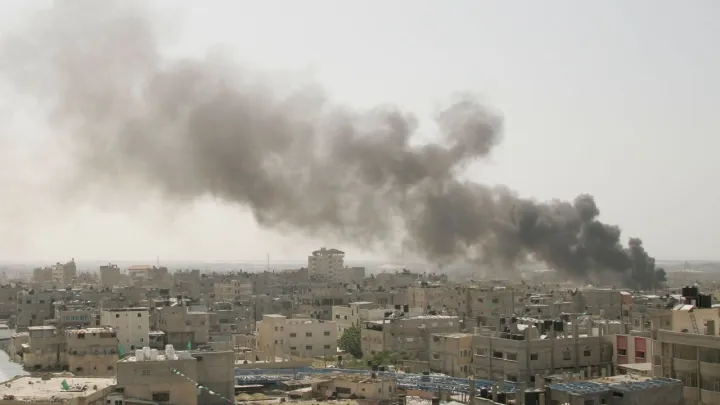
“Nevertheless, developments on the ground, including the confinement of the population to specific areas, the large-scale destruction of civilian infrastructure, and debates over plans to ‘concentrate’ the population, significantly reinforce these concerns,” he tells TRT World.
Devecioglu says the ongoing discourse threatens the Palestinians’ right to self-determination in two fundamental ways.
First, the possibility of forced displacement that weakens the people’s de facto link to their land would render any future political settlement “demographically and spatially” meaningless, he says.
Second, determining Gaza’s political future through the military and political decisions of external powers, rather than through local will, runs counter to the very essence of self-determination, he adds.
A threat to regional stability
The recognition of Somaliland’s sovereignty also advances Israel's military ambitions in the Red Sea, according to analysts.
Turhan says Israel’s engagement with Somaliland will provide it with strategic access to the Bab al-Mandeb Strait, a 32-kilometre-wide body of water between the Arabian Peninsula and Africa, connecting the Red Sea with the Gulf of Aden, a key maritime route.
“This access would enable Tel Aviv to conduct discreet intelligence, surveillance, and security operations along a critical global maritime corridor without the need for large-scale military deployment,” he says.
Devecioglu says Israel’s attempt to complement its military objectives against the Houthis in Yemen by expanding access in the Red Sea-Gulf of Aden corridor puts regional stability at risk.
He says that Israel’s recognition of a separatist entity risks encouraging the redrawing of borders in Africa through unilateral secession.
“If the African Union’s long-standing principle of preserving existing borders were to erode, pressures for chain-reaction secessionism could emerge... This would increase the risk of internal conflict across fragile states,” he says.

Turhan echoes this view, noting that Israel’s unilateral act of recognition threatens Africa’s political integrity: The move can spur more than 30 active separatist movements in 27 African countries, he says.
In early 2023, violent clashes between two major clans and the Somaliland administration resulted in the de facto separation of significant portions of three eastern provinces, he says.
These clans subsequently established a new regional administration integrated into the Federal Republic of Somalia, known as the Northeastern State of Somalia, which now exercises de facto control over nearly half of the territory commonly referred to as Somaliland, Turhan adds.
“Israel’s recognition largely overlooks these on-the-ground realities.”