 Kazim Alam
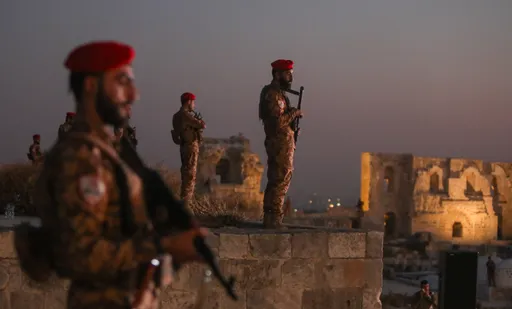
Early this week, the Syrian Army recaptured the tomb of Suleyman Shah, an iconic figure in Turkish history dating back to the 13th century, from the YPG terror group in northern Syria.
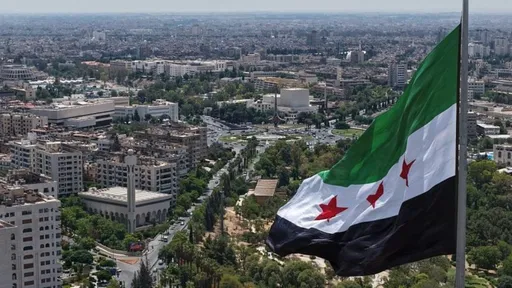
The Syrian military retook the area hours before the Ahmed al Sharaa government’s nationwide ceasefire with YPG – the Syrian branch of the PKK terrorist group – took effect on January 20.
This development unfolded in northern Syria’s Aleppo province, which bore witness to intense civil war for 14 years under the despotic regime of Bashar al Assad.
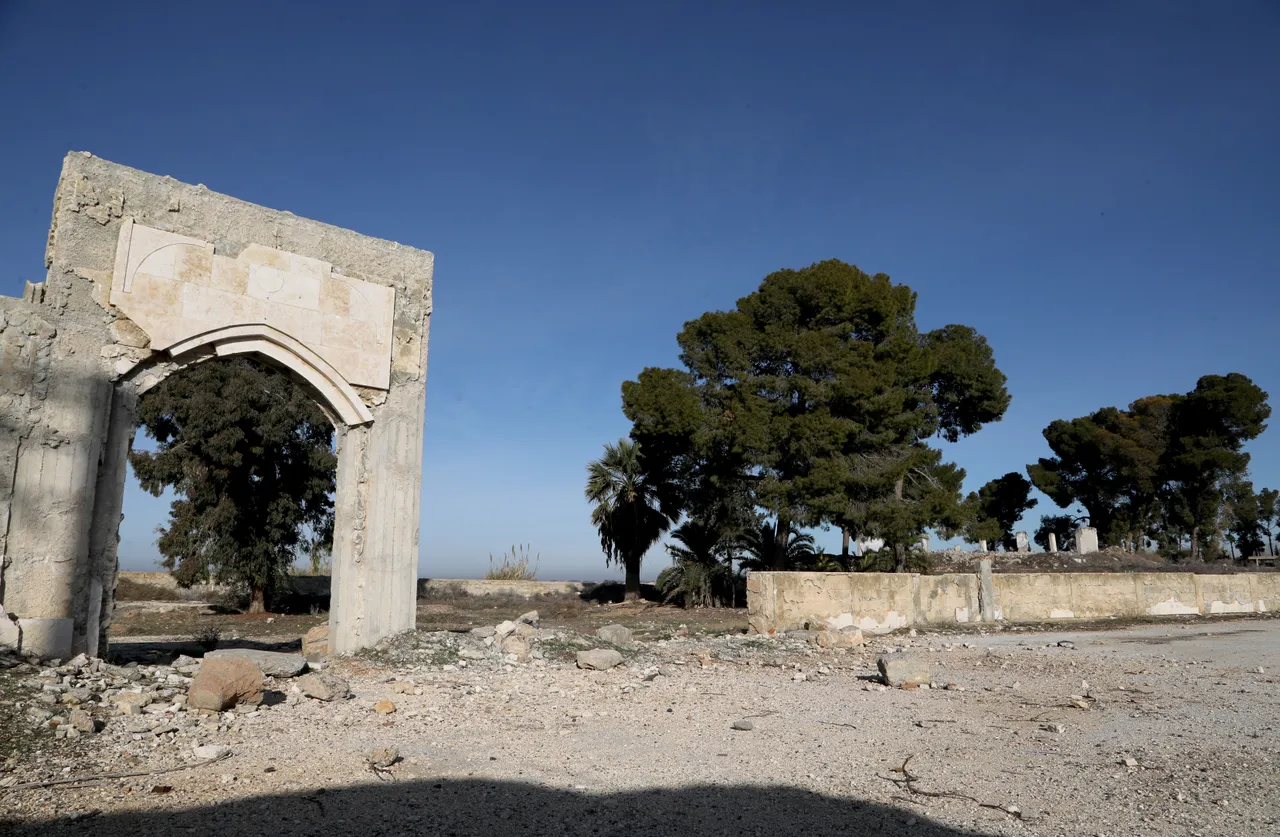
The site of Suleyman Shah’s tomb is a tiny exclave – a sovereign territory of Türkiye within Syria – on the Euphrates River, located about 27 kilometres from the Turkish border.
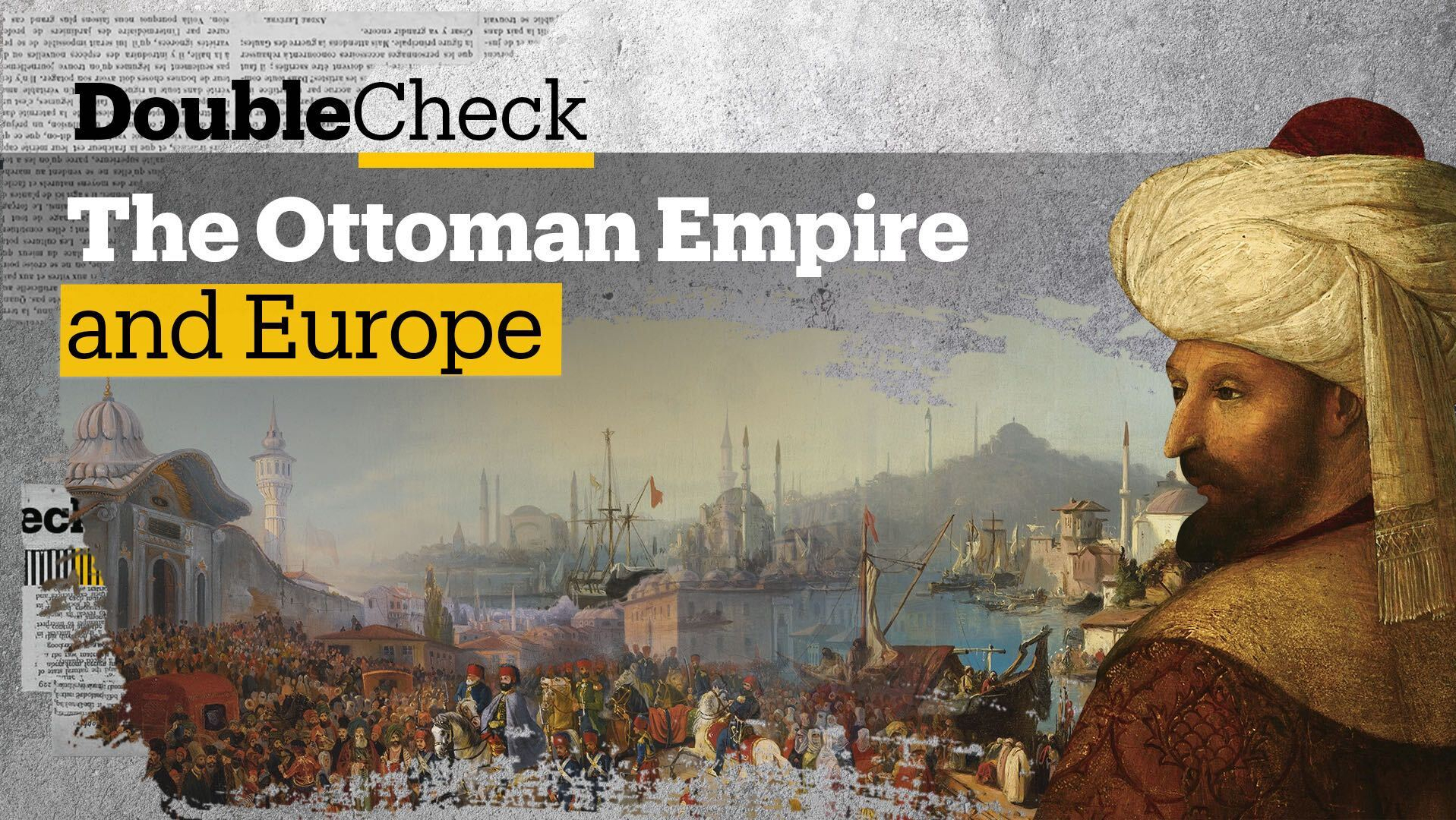
The place symbolises Ottoman roots and national pride for the Turkish people. Suleyman Shah is the grandfather of Osman I, the founder of the Ottoman Empire that governed for centuries vast territories spread over Europe, Asia, and Africa, from its capital of present-day Istanbul.
Even though the area of the tomb is now under Syrian army’s control, its sovereignty remains intact with the Turkish government under international treaties.
“The tomb served as a place of visit during the Ottoman period. But in the 20th century, it became a matter of sovereignty extending beyond national borders,” Ebubekir Ceylan, a professor of Ottoman history and president of the Academics and Authors Association of Islamic Countries, tells TRT World.
‘It is Turkish territory’
The military operation came at a critical point in Syria's post-Assad evolution, as the al Sharaa government has been consolidating power amid clashes with the YPG terror group.
Syrian troops advanced northwards from Sarrin, a town in northern Syria, and encircled the Karakozak area, securing the tomb’s site.
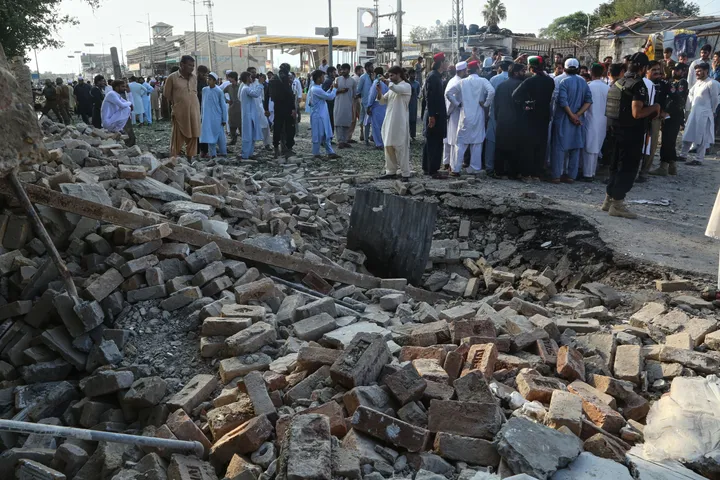
But access to the tomb’s compound is currently limited due to extensive mining by retreating YPG terrorists. Demining efforts are in full swing.
Turkish media hailed the military operation for making the historic site “completely cleared of terrorist elements”.
“The tomb of our ancestor Suleyman Shah in Karakozak has been completely cleared of terrorists… Protecting it from now on is a duty of honour and homeland. These lands are Turkish territory and will remain Turkish,” said military commander Seyf Polat-Ebubekir in a video shared on X from the region.
This public joy over the recapture of the hallowed piece of land reflects the tomb’s enduring geopolitical importance.
Selim Han Yeniacun, assistant professor at Istanbul’s Marmara University, tells TRT World that Suleyman Shah holds a unique place in the collective Turkish memory.
“More than just a genealogical link, Shah represents the spirit of migration, state-building, and resilience that defines the Turkish identity,” he says.
As Türkiye’s only exclave, the freed piece of land represents a sliver of sovereignty outside of national borders. The tomb’s site is protected by the 1921 Treaty of Ankara and the 1923 Treaty of Lausanne, which affirm Türkiye’s right to fly its flag and station guards there.
Turkish Foreign Minister Hakan Fidan and Defence Minister Yasar Guler have expressed support for Syria's anti-terror operations, viewing them as extensions of Türkiye’s security interests.
Amid relocations, the tomb survives
The tomb of Suleyman Shah has survived two relocations, something that reflects Türkiye’s determination to preserve Ottoman history despite geopolitical challenges.
The tomb was originally built near Qal’at Ja’bar Castle on the Euphrates River, in the present-day Raqqa Governorate of Syria, back in the 13th century.

The site marked where Suleyman Shah reportedly drowned in 1236 “in search for a home for himself and his people”, according to an epigraph at the mausoleum.
The original mausoleum, rebuilt in 1886 by Sultan Abdulhamid II, became a symbol of Ottoman legacy towards the end of the Ottoman Empire.
The first relocation of the tomb occurred in 1973, prompted by the construction of Syria's Tabqa Dam, which threatened to submerge the original site under Lake Tabqa.
Under bilateral agreements, Türkiye and Syria moved the tomb north to Karakozak village – which is 27 kilometres from the Turkish border – in order to ensure its elevation above flood levels.
The new complex included a military outpost guarded by Turkish soldiers, maintaining its exclave status.
This is the site that the Syrian forces recaptured in their fight against terrorists earlier this week.
Threats to the tomb in the Karakozak area increased amid intensifying civil war in Assad-led Syria.
Fearing destruction or desecration of the tomb’s site, which is the size of a football field, Türkiye launched ‘Operation Shah Euphrates’ in February 2015, a daring incursion involving 572 troops, 39 tanks, and 57 armoured vehicles.
The Turkish forces evacuated the remains of Suleyman Shah, demolished the old structure to prevent desecration, and relocated everything to Esme village, about 200 meters from the Turkish border in Aleppo province.
One soldier died accidentally, but the operation was hailed as a success.
The third and current home of Suleyman Shah’s remains was to “act as a temporary burial place”.
“Türkiye’s readiness to conduct a full-scale military operation to protect or move his tomb isn’t about grandeur – it’s about duty,” says Yeniacun of Marmara University.
“It’s about showing the nation, and the world, that we do not forget our roots. That we do not leave behind the sacred trust of our ancestors,” he adds.
Who was Suleyman Shah?
Born around 1178 in Central Asia as part of the Oghuz Kayi tribe, Shah succeeded his father Kaya Alp as the community elder in 1214.
Leading 50,000 tribespeople westward from Central Asia amid Mongol attacks, he navigated through the North Caucasus to Anatolia, settling thousands in regions like Erzincan, Ahlat, Diyarbakir, Mardin, and Urfa.
The father of Ertugrul Gazi and grandfather of Osman I (born around 1258), Suleyman Shah is revered as the progenitor of the Ottoman dynasty, which ruled from 1299 for over 600 years across three continents.
Yeniacun says that Suleyman Shah represents historical continuity that defines the Turkish identity, which began even before the Ottomans.
“The Turkish presence in the Middle East goes back over a thousand years. Long before the Ottomans, we had the Tulunids, Ikhshidids, Mamluks, and, of course, the great Seljuk empire. Shah belongs to that civilisational arc – a deep-rooted legacy of Turks shaping and being shaped by this geography,” he says.
His tomb holds a unique historical value, which connects the dots between the Seljuks, the Ottomans, and the Republic, he notes.
“It’s a symbol of our uninterrupted statehood. Türkiye has made it very clear: We will return the tomb to its original site when conditions permit. It’s not a question of ‘if’, but ‘when’,” Yeniacun says.