 Zeynep Conkar
Twenty-six months into Israel’s genocide in Gaza, a quieter breakdown is unfolding inside the Israeli army. More and more Israelis are beginning to grasp that something inside the military is cracking: a full-scale mental health collapse.
According to the Defence Ministry, more than 85,000 soldiers have sought psychological treatment since October 2023, the highest figure ever recorded in the country’s history.
The suicide data is now sitting at a 13-year high. Between January 2024 and July 2025, at least 279 soldiers attempted suicide, and dozens died.
Since the start of its genocide in October 2023, Israeli soldiers killed over 70,300 Palestinians, with most being women and children, and injured over 171,000 others, according to Gaza health authorities.
Just last week, a reserve officer from the Givati Brigade died by suicide after a “severe psychological distress.” Another soldier, only 21, told lawmakers that participating in the Gaza genocide had pushed him to the edge, and he is now “a walking corpse”.
To understand why such accounts have become more frequent, psychologists are increasingly turning to the concept of ‘moral injury’, which is the damage that happens when someone feels they have crossed a line they cannot uncross.
“Moral injury refers to the distress caused by exposure to morally and ethically questionable acts; in this case, genocide,” according to Psychologist Asude Beyza Savas.
“Studies on military service have found that stressful events, such as exposure to combat, play a significant role in suicide ideation among military members,” Savas tells TRT World.
“When we look more closely at guilt, we see that being exposed to potentially morally injurious events, especially those involving a transgression by oneself, is followed by prolonged feelings,” Savas says.
This results in withdrawal from society, and isolating oneself is a known factor for suicide, Savas adds.
During a recent parliamentary session at the Knesset, Israeli soldiers dumped piles of psychiatric medications, including opioids, on a table, saying, “We are mentally ill, and our friends are killing themselves.”
People online didn’t hold back. “Slaughtering innocence takes a toll on the human mind,” one X user wrote. Another added: “Yeah, bombing babies is bad for your health.”
Indeed, many Israeli soldiers entered Gaza certain of their role, but some are returning unable to live with what they saw or did. As the wife of another soldier who died by suicide puts it, “He was dead long before he died. His soul died in Gaza.”
Mind breaks under weight of what it’s done
According to experts, the ‘moral injury’ that is causing suicide incidents among Israeli forces is slightly different from fear-based symptoms of Post-Traumatic Stress Disorder (PTSD).
The experts describe this as the guilt triggered the moment a soldier realises they participated in, enabled, or witnessed acts that clash with the values they believed they held before.
Instead of flashbacks or hypervigilance alone, moral injury shows up as profound shame, guilt and disgust with oneself. For many soldiers, that is exactly what Gaza represented.
When individuals feel they have crossed their own moral boundaries, they often experience deep cognitive conflict between seeing themselves as “good” and recognising their participation or complicity in harm, according to Dr Ayse Sena Sezgin, faculty member at Marmara University, Department of Psychology.
“In moral injury, certain cognitive and emotional mechanisms come into play, including cognitive dissonance, moral isolation, sleep disturbances, anxiety, addiction, suicidal ideation, loss of meaning, and existential upheaval,” Sezgin tells TRT World.
“After directly participating in violence, individuals may find themselves torn between attributing responsibility to those who gave the orders and taking responsibility themselves. This dilemma brings intense guilt along with shame and remorse, which makes seeking help more difficult,” she explains.
Savas says this collapse is the predictable psychological aftermath of taking part in atrocities. By participating in genocide and killing civilians, she explains, soldiers face both direct trauma and the secondhand trauma of witnessing the suffering of others.
“Trauma affects their current psychological state and is shown to predict prolonged stress levels, later PTSD symptoms, and damaged self-perception shaped by guilt and moral injury.”
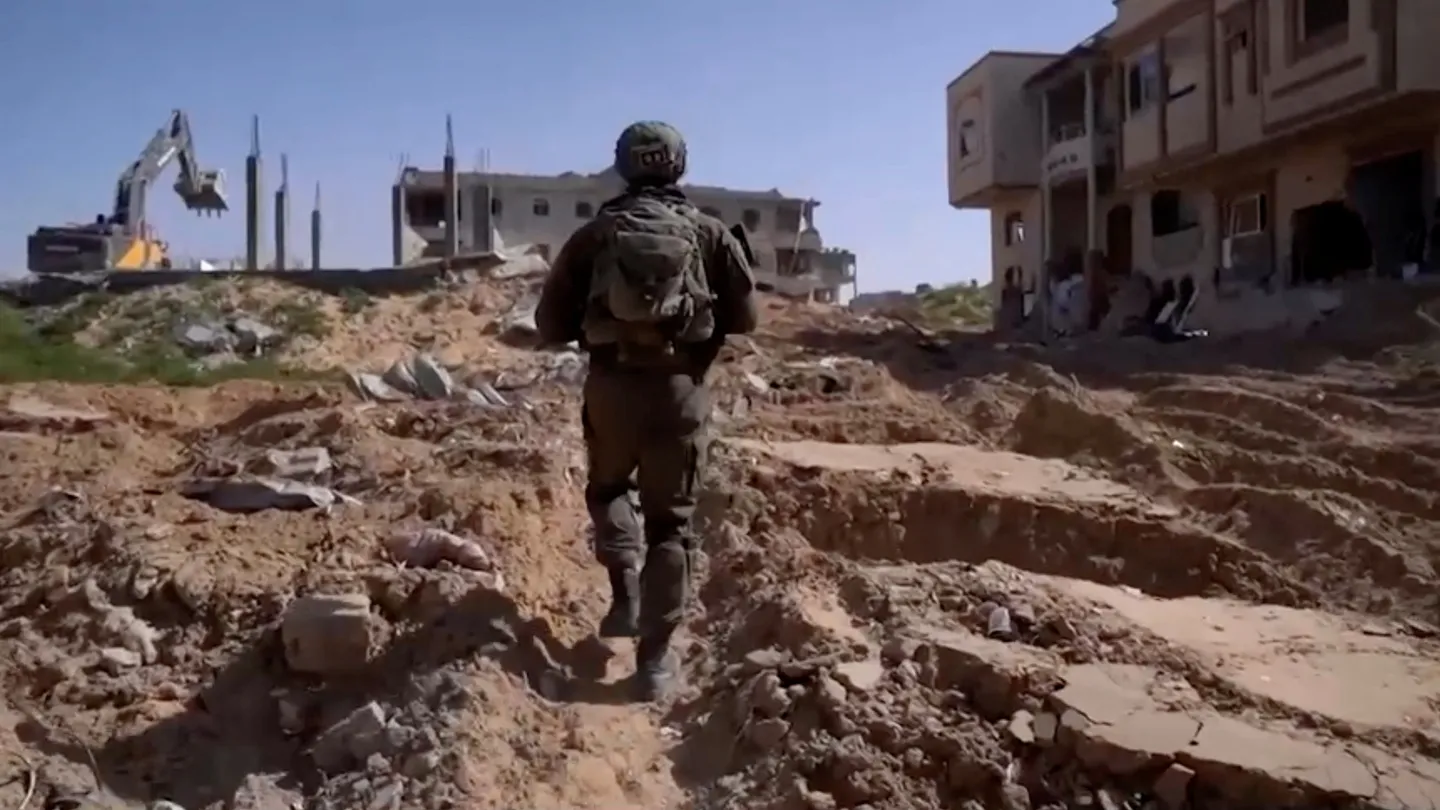
This pattern mirrors what soldiers on the ground have admitted. Many describe moments that shattered their sense of self. One soldier recounted entering a destroyed home and seeing the bodies of two children:






“There were no terrorists there… I knew it was all on me, that I did this. I wanted to throw up,” he was quoted as saying.
Experts say that killing, especially civilians, is one of the strongest predictors of suicide among soldiers. And when that harm is large-scale, sustained, and part of a genocide, the ‘moral injury’ becomes even more severe.
To make matters worse, many soldiers say they are being asked to deny what they saw. Some Zionist groups continue to push narratives such as “Pallywood,” implying Palestinians have staged their own suffering to elicit sympathy.
For soldiers, this denial creates a deeper fracture because they return knowing what they did, only to find a society insisting that none of it happened. Since shame has nowhere to go, it burrows inward.
“In a recent longitudinal study on recently discharged Israeli veterans examining trauma-related guilt and self-forgiveness, exposure to potentially morally injurious events, especially when the act was committed by the soldier themselves, was found to predict trauma-related guilt and, consequently, suicide risk during the first year after discharge,” Savas says.
“The guilt and shame associated with these transgressive acts create cognitive dissonance, a state of discomfort when one holds conflicting beliefs or when one’s actions contradict their values. Here, it is the act they committed, not being able to reconcile it, and feeling guilty about it.”
“This cognitive dissonance leads to moral injury and moral pain, both identified as predictors and risk factors for suicide,” she explains.
Next generation won’t recover either
As the mental-health crisis deepens, Israel’s military continues to project an image of control. Officials point to new clinics, hundreds of mental-health officers, suicide-prevention programmes, and support hotlines.
But none of it changes a basic reality that the psychological collapse inside the ranks cannot be wished away while soldiers are being sent back to carry out the same violence.
Far-left Knesset member Ofer Cassif called this a “suicide epidemic” that would be inevitable with the end of the war.
Looking long term, Psychologist Sezgin says this process is likely to reshape social narratives, family structures, and even education and politics through prolonged guilt, shame, and unresolved trauma.
“Without ensuring that those responsible are properly held accountable, it will not be possible to restore social peace and trust, nor to regain psychological well-being at the individual level,” Sezgin explains.
Psychologist Savas also notes that unlike physical wounds, moral injury does not fade with time.
“Secondary traumatic stress can arise from hearing someone’s firsthand traumatic experiences. This moral disintegration affects veterans and also their close ones through secondhand trauma,” Savas explains.
Research on PTSD and intergenerational trauma, she adds, shows that children of individuals with PTSD often display elevated distress and trauma symptoms. “This suggests trauma may be inherited, or at least have significant negative impacts over time.”
Hence, the effects extend far beyond the soldiers themselves. Israel is headed towards a generation shaped by people who returned home physically intact but emotionally hollowed out by what they did.
“In situations like this, the entire society may experience increases in acute trauma, as well as widespread major depression, anxiety disorders, substance use, sleep disorders, and suicide risk, which can lead to higher crime rates,” Sezgin argues.
Sezgin explains that the psychological toll extends to social functioning, including workforce decline, family conflicts, and increased risk of unemployment.
“When parents’ psychological well-being is negatively affected, risks of neglect, emotional problems, and developmental difficulties in children increase, giving rise to intergenerational transmission; that is, the burden extends to families and children as well,” she explains.
What is unfolding in the Israeli army is the psychological cost of a war built on mass civilian suffering. For thousands of soldiers, the collapse has already begun, and it will follow them long after the war ends.