 Sadiq S Bhat
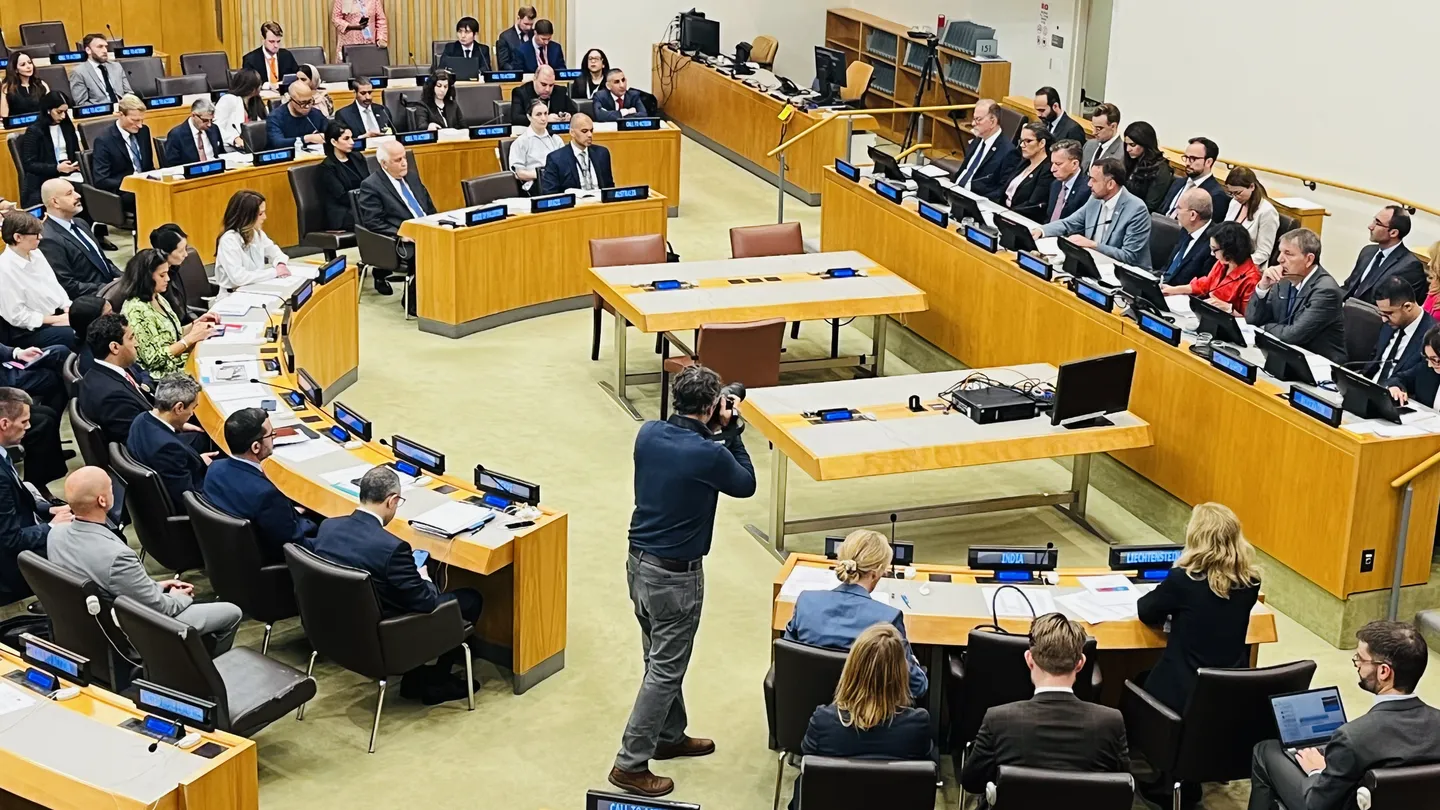
United Nations — UN chamber fell silent as Queen Rania of Jordan joined ministers, ambassadors, and diplomats in bowing their heads for a minute's pause.
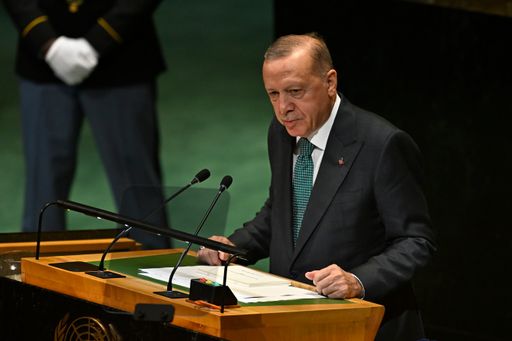
The weight of loss pressed heavily over the United Nations in New York City on Wednesday at a side event of the 80th General Assembly, convened under the title "Call to Action for Palestinian Children in the West Bank and Gaza."
The statistics were as stark. Nearly 20,000 children have been killed in Gaza since October 2023. Seventeen thousand left without parents. Nine in ten survive without enough food. One million trapped in trauma.
Jordan's foreign minister Ayman Safadi opened the conference with blunt urgency.
"The children of Gaza and the West Bank are not just statistics; they are the future of a nation being robbed of hope. We cannot stand by while an entire generation is lost to violence, hunger, and despair. Immediate action is a moral imperative."
Belgium's Maxime Prevot echoed the call. "An entire generation is at risk of being deprived of its childhood, its dignity, and its chance to build a future. We need to act now to protect Palestinian children and give them a chance at life."
The European Union's Hadja Lahbib pressed further. "The suffering of Palestinian children demands more than words — it demands concrete commitments to deliver aid, protect lives, and rebuild futures."
UNRWA Commissioner-General Philippe Lazzarini, whose agency has come under sustained political attack, defended his staff’s frontline role.
"UNRWA is an invaluable asset for implementing today’s call for action. I appeal for your support in safeguarding our mandate and work, so we can continue making a tangible difference in the lives and future of millions of Palestine refugee children."
Queen Rania, who has long spoken out against the devastation of Gaza war, listened as the appeals stacked up like pillars in a hall of grief. But the room shifted when a medic took the floor.
"Please follow these wishes"
Dr Thaer Ahmad, an American-Palestinian emergency physician based in Chicago and affiliated with the University of Illinois, has volunteered extensively in Gaza with the Palestine American Medical Association and Doctors Without Borders.
He spoke at the UN conference as a medical witness.
"Let me be clear,” Ahmad began, his tone measured. "There is a war on children. There is a policy to eliminate the ability for children, Palestinian children, to flourish, to prosper, to grow, to thrive. Every day in Gaza and the West Bank, we watch the next generation of Palestinians have their future stripped away from them."
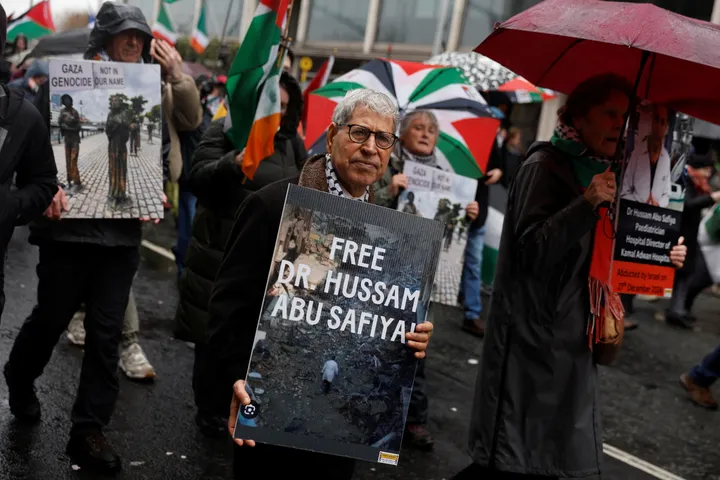
He named colleagues who never returned to their wards. Among them, Dr Hussam Abu Safiya, head of paediatrics at Kamal Adwan Hospital, who was seized by Israeli forces.
Ahmad recalled fathers collapsing in emergency rooms with their children’s bodies in their arms, raging at a grief no one should bear.
He described a ten-year-old girl with leukaemia whose life depended on medicine blocked at the border. She died waiting for chemotherapy that never arrived.
And then he told the story that broke the chamber.
"Rasha was ten, her brother Ahmed eleven,” he said. "On June 10, the Israelis dropped two missiles on their homes. They were pulled from beneath the rubble. No warning. No evacuation. Just indiscriminate bombing. Rasha survived, and in her terror, she wrote her will. Three months later, another bomb killed her."
Ahmad paused. The room, already still, seemed to hold its breath. "A Palestinian child writing their will," he said quietly, before reading it aloud.
“My will, if I become a martyr or pass away, please do not cry for me, because your tears cause me pain. I hope my clothes will be given to those in need, and my accessories should be shared between Rahab, Sara, Lana, and Batu. My monthly allowance of 50 shekels, 25 to Rahab, 25 to Ahmed. My stories and notebooks to Rahab, my toys to Batu. And please do not yell at my brother, Ahmed. Please follow these wishes."
The words, written in a child's hand, carried more weight than any speech. Some delegates pressed tissues to their eyes. Others lowered their gaze, unable to meet colleagues across the hall.
Ahmad closed with an appeal. "If anything I’ve said today has resonated with you, moved you, then please, let us work together to protect and preserve our children."