 Sadiq S Bhat
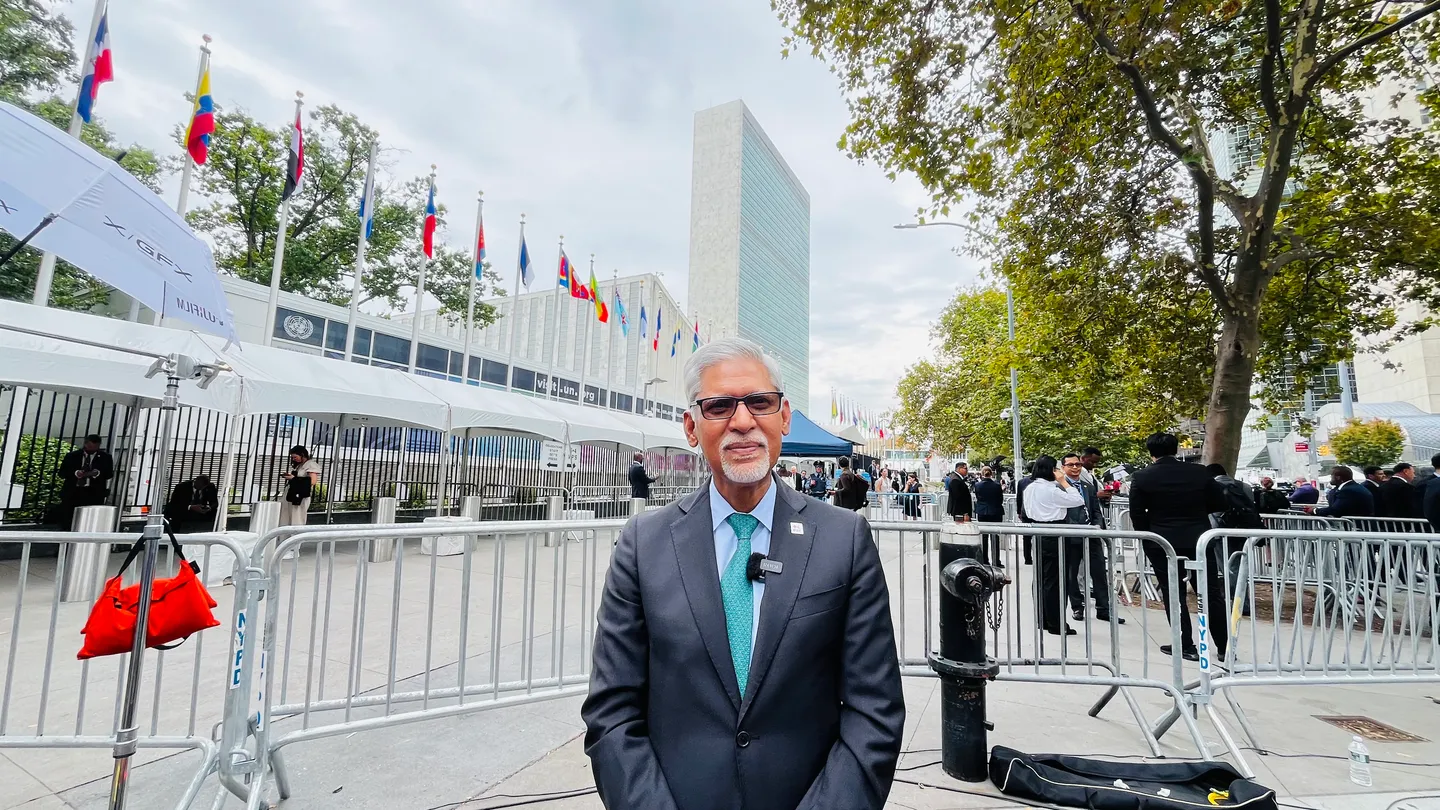
United Nations — Some of the staff at Red Cross and Red Crescent Societies in Gaza are going hungry, the Secretary General and CEO of the International Federation of Red Cross and Red Crescent Societies (IFRC) told TRT World.
Jagan Chapagain added that doctors and nurses are skipping meals to keep feeding the wounded in Gaza, and still cannot feed their children.
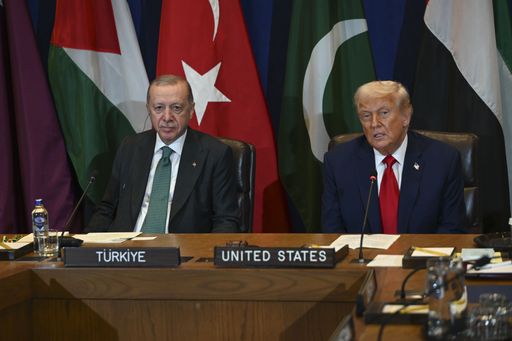
He spoke to TRT World at the sidelines of the UNGA 80 on Wednesday, laying bare a crisis within a crisis.
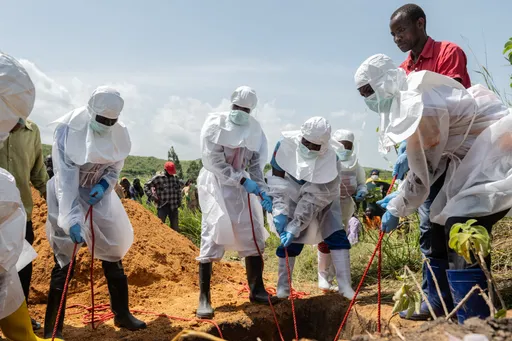
Wearing the Red Cross and Red Crescent insignia should guarantee protection. International law demands it, he added.
"When someone is wearing Red Cross, Red Crescent insignia, they should not be attacked," Chapagain said. "But they are. Conventions have changed. We are worried. If the trend continues, a sense of impunity remains."
With world leaders focused on diplomacy and power plays, the IFRC boss says they are focused on the people who are dying because the Gaza aid corridors remain closed. "Our staff are on the ground," he says.
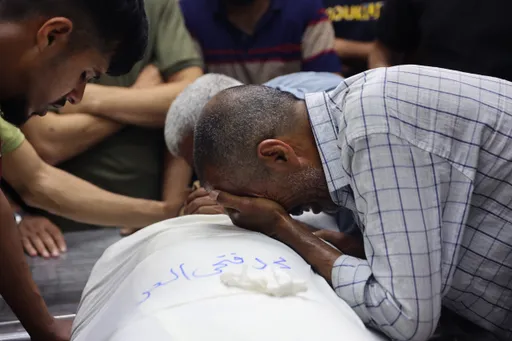
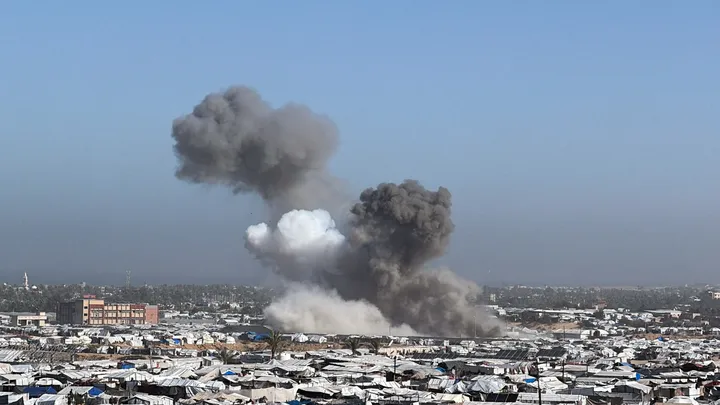
"In Gaza, the Palestinian Red Crescent has been working tirelessly. A lot of their emergency medical vehicles are no longer operational. Medical facilities are barely functioning. Hospitals operate at much lower capacity. They have managed to establish a couple of field hospitals, but the lack of regular supplies makes life very difficult."
Humanitarian access is immediate and systemic. Supplies are constrained by continuing hostilities.
Constant threat to life
Chapagain stresses that advocacy alone cannot open the way. States must act.
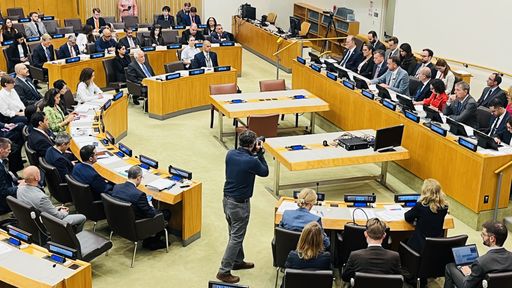
"It is the member state who will have to work together with the parties to the conflict to make sure the corridors are open. Of course, organisations like ourselves can advocate, but it is the states who have the power to make it happen."
He emphasised that Red Cross and Red Crescent do not take sides, yet international law obliges them to speak out when workers are attacked.
"Our principles are universal. They apply in Afghanistan, Ukraine, Palestine, Sudan. Neutrality is about not taking sides. It does not mean we stay silent when humanitarian workers are killed. In March, after paramedics were targeted, we spoke out. Humanitarian workers must be protected under international law."
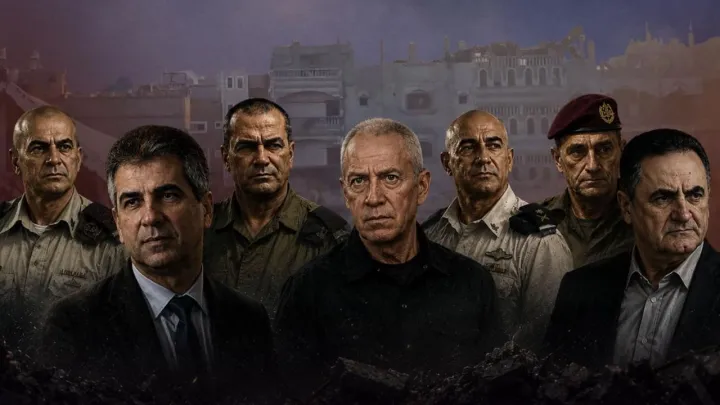

Chapagain outlines two urgent internal crises. First, the loss of personnel and the constant threat to life. Second, the lack of food.
"Recently, in Gaza, because of the lack of supplies, doctors and nurses, and volunteers are not getting enough food. Some tell us that if they eat two meals, they cannot feed their children. This is a really serious issue. We are using these platforms to continue to advocate that states must step up. They have an obligation and power to make a difference."
Hospitals and medical vehicles are compromised. Field hospitals struggle to operate without supplies. Volunteers work under constant threat.
"As long as hostilities continue, multiple problems will persist. Access, opening channels for unhindered delivery of humanitarian assistance — all remain blocked."
"Protection must be enforced"
Diplomacy and advocacy are necessary but not sufficient.
Chapagain says cessation of hostilities and the safe release of hostages are preconditions for aid to function.
"To reach that point, it is extremely important that the cessation of hostilities can happen. The release of hostages is an equally important part. But it is really the states that need to make that negotiation happen."
The challenges extend beyond Gaza. Across global conflict zones, the principle that medical workers should never be targeted is under threat.
"This is extremely worrying. We see it in Palestine, Sudan, Afghanistan, Ukraine. Wherever we operate, neutrality must be respected, and protection for our staff must be guaranteed."
"Our staff are committed, our principles clear," Chapagain says.
"But without action, we risk losing not only supplies and access, but lives, both of those we help and those who help."