 Sadiq S Bhat
Washington, DC — By October, the Caribbean feels less like a sea and more like a chessboard. American warships prowl its waters, drones hum above, and leaders in Bogota, Caracas, and Washington trade accusations.
What began as a push against drug cartels has become something else: a test of influence, sovereignty, and how far US President Donald Trump will go to assert dominance in Latin America.
Noted Latin American expert and political scientist at Gonzaga University, Jenaro Abraham, sees the stakes clearly.
"It would accelerate the region’s ongoing turn toward multipolarity — deepening trade and security ties with China, Russia, and BRICS-aligned blocs," he told TRT World.
"While a ground invasion remains unlikely, limited warfare through drones, cyberattacks, or proxy operations cannot be ruled out."
Abraham believes the US’ motives operate on several levels. "In Trump's case, this projection of power abroad serves as both political theatre and imperial necessity."
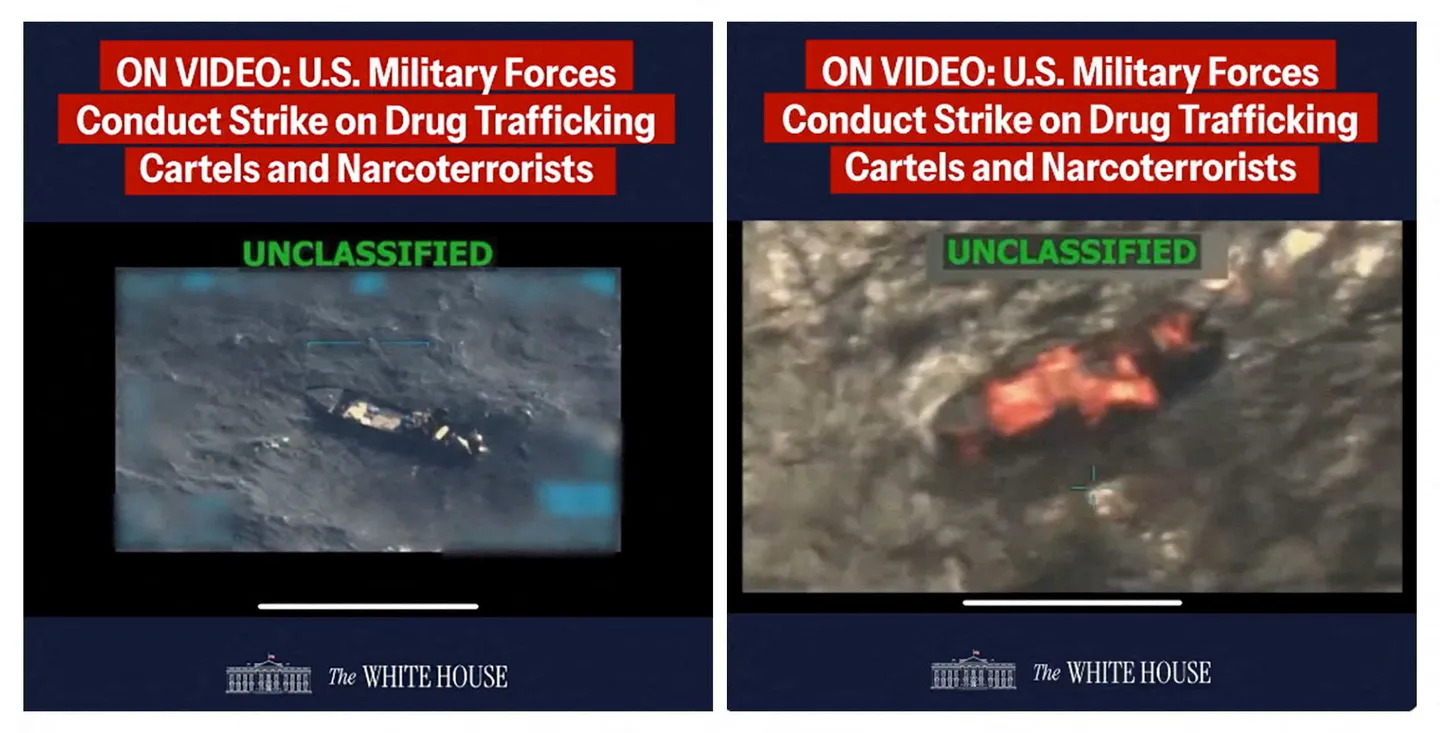
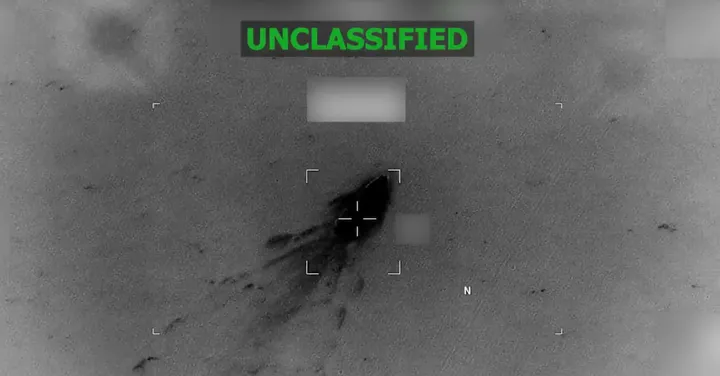
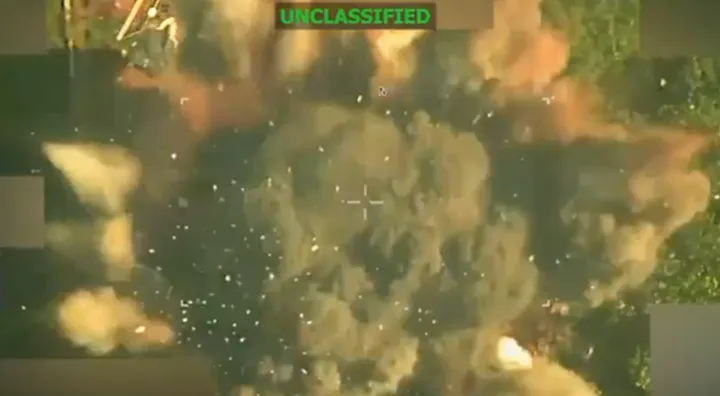
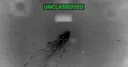
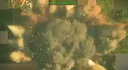
The backdrop tells its own story. Since early September, the US has carried out nine high-profile strikes on suspected narco-vessels across the Caribbean and eastern Pacific, killing at least thirty-seven people.
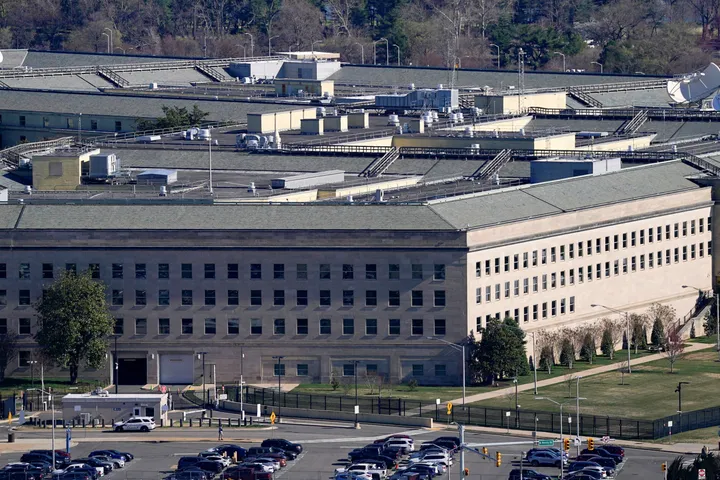
The Pentagon says the targets were traffickers tied to "designated terrorist organisations." While all the previous seven strikes took place in the Caribbean, the two most recent were in the eastern Pacific, signalling an expanded theatre of war.
Trump has said he had the legal authority to continue bombing boats in international waters, but said he may go to the US Congress if he decides to expand the targets to include those on land.
The military build-up behind those attacks is unprecedented in recent regional history: eight warships, three amphibious assault carriers, and a Marine expeditionary force of more than six thousand personnel stationed across the area.
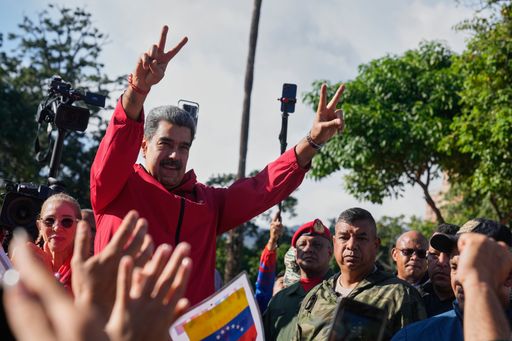
"Walking a fine line"
Trump calls it a "war against narco-terror." His critics see something far riskier.
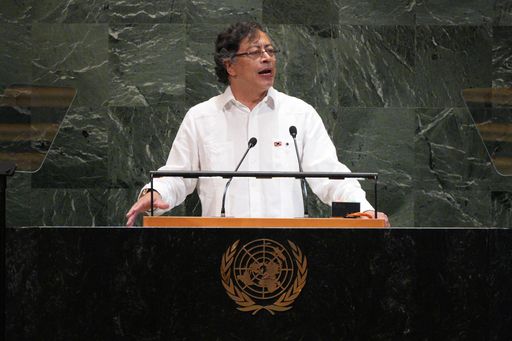
"This is not a war against smuggling," Colombian President Gustavo Petro said after one strike killed six of his citizens. "This is a war for oil, and it must be stopped by the world."
The US denies the accusation. Inside Washington, officials frame the campaign as a continuation of the fight against fentanyl. "Every one of those boats is responsible for the death of 25,000 American people, and the destruction of families," Trump said in a recent speech.
Yet by mid-October, reports from both Venezuelan and US sources indicated that most fentanyl still enters the US through Mexico.
Rachel Williams, a security analyst based in Washington, DC, says the administration’s actions have already blurred the line between counter-narcotics and confrontation.
"The US is walking a fine line," she told TRT World.
"Any misstep with Colombian forces or civilian targets could escalate quickly, and the perception of aggression can trigger political backlash far beyond the immediate theatre."

Fears of wider instability
As the US military presence expands, so do the optics of influence. Eight warships, including destroyers and amphibious carriers, now patrol the Caribbean and eastern Pacific.
F-35 jets and Reaper drones sit on Puerto Rican runways. AC-130 gunships, once associated with Middle Eastern wars, are visible again in the tropics.
Trump administration calls it "decisive action" against cartels, but across Latin America, the political fallout is swift.
Petro has suspended security cooperation with Washington and rallied several regional left-leaning leaders behind him. Russia and China have issued statements condemning the strikes.
Abraham warns that the consequences could outlast the conflict. "Any major escalation would destabilise the region," he says.
"A US strike in Colombia or Venezuela would trigger massive displacement, empower transnational criminal groups, and devastate fragile border communities. The fastest-growing armed actors since Colombia's 2016 peace accord aren't leftist insurgents but right-wing paramilitaries controlling drug and mining corridors."
That complexity makes the mission almost impossible to control. Washington calls some of those paramilitaries allies; Bogota sees them as traffickers.
"Future of the Americas"
By late October, the situation in the Caribbean feels precarious.
Trump has imposed new 10–25% tariffs on most Colombian exports, halted approximately $200–$413 million in US aid for the current fiscal year, and prompted Colombia to recall its ambassador to Washington amid a deepening rift in bilateral relations.
"We've hit them on the water — now we're going inland to root out the narco-terrorists at their source," Trump said on Wednesday, framing it as a necessary escalation.
Williams sees the broader signal. "The pivot to land-based operations suggests Washington is expanding the mission beyond drug interdiction," she says.
"What started as a narrow anti-fentanyl operation now carries the weight of broader geopolitical signalling."
For Trump, the campaign plays well at home. The message is simple: strong borders and no tolerance for foreign chaos. But abroad, each strike draws the hemisphere deeper into uncertainty.
Six weeks on, the Caribbean has become the front line of a new contest for influence, where every strike and every statement reshapes the map of power.
As Abraham puts it, "This isn’t just about the Caribbean. It’s about who gets to define the future of the Americas — and whether the US can still claim that right."