 Noureldein Ghanem
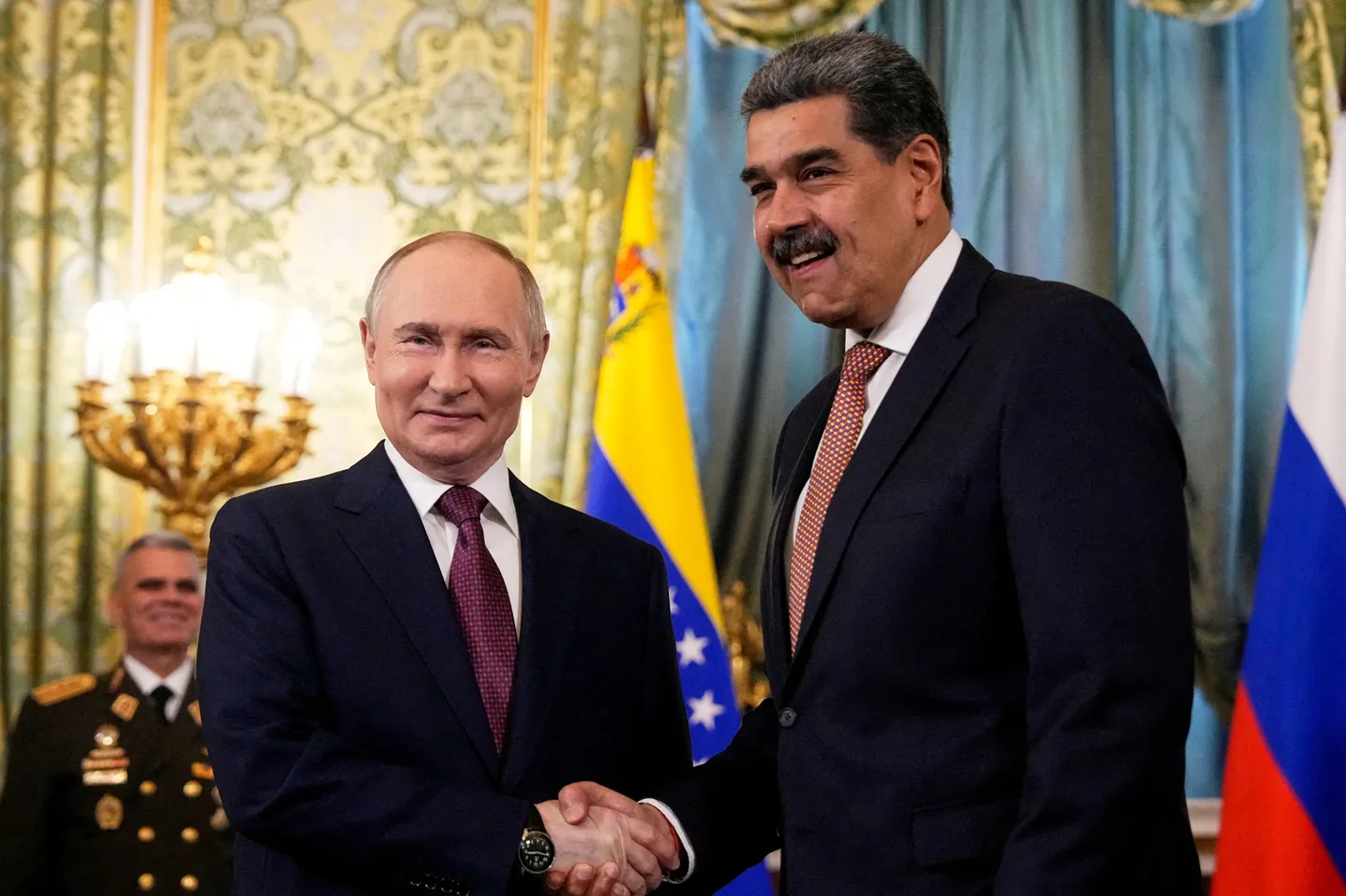
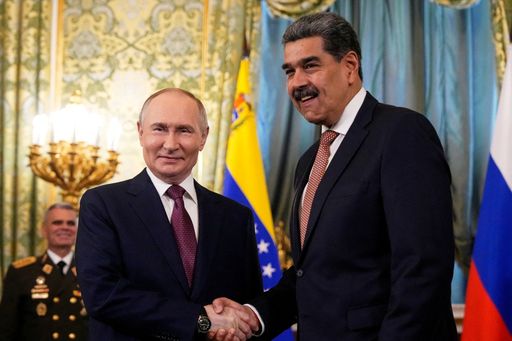
Washington, DC — Since the US started a pressure campaign against Venezuela, Russia has reaffirmed its support for President Nicolas Maduro and called on Washington not to make a "fatal mistake" in this crisis.
Still, analysts say Moscow's support for Caracas is going to be diplomatic and "symbolic," citing Russia's priorities elsewhere.
"Russia backs the Maduro government politically and symbolically, but its real leverage in Venezuela today is limited," Vladimir Rouvinski, Director of Interdisciplinary Research Center (CIES) at Icesi University in Colombia, tells TRT World.
"Moscow primarily uses Venezuela as a card to signal resistance to US pressure and as a form of symbolic reciprocity for US policies in Russia's near abroad (the former USSR), framing the Western Hemisphere as the US 'near abroad'," Rouvinski, who also works as an Associate Professor at the Department of Political Studies at Icesi University, adds.
"Moscow does not view Venezuela as a theatre for any real costly escalation."
Ekaterina Kosevich, a leading research fellow at HSE University in Moscow and specialising in Latin America & Russia Foreign Policy, says that "Russia's engagement with Venezuela is largely pragmatic and focused on economic and energy cooperation rather than ideological or military alignment."
"Russia officially supports Venezuela's sovereignty and consistently opposes external interference in its internal affairs," Kosevich, who also authored "Extra-regional Powers in Latin America in the 21st Century", tells TRT World.
"Moscow views US pressure on Caracas primarily through the lens of sanctions policy and regime-change practices, which Russia considers destabilising and contrary to international law," adds Kosevich.
The relations between Russia and Venezuela deepened in the early 2000s during the presidency of Hugo Chavez, who at the time sought new allies to counter the US influence.
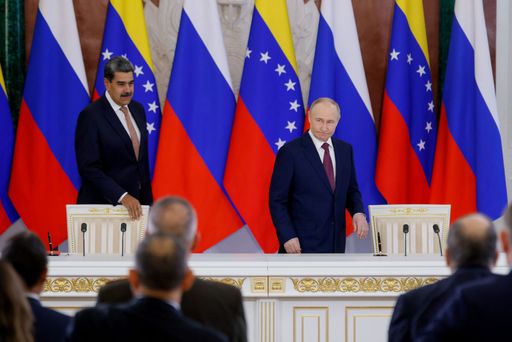
Russia unlikely to engage directly with US in Venezuela
Although Maduro has sought support from Venezuela's allies in the current crisis, namely Russia and China, experts say Russia's support for Caracas in the case of direct US involvement would be on the diplomatic level.
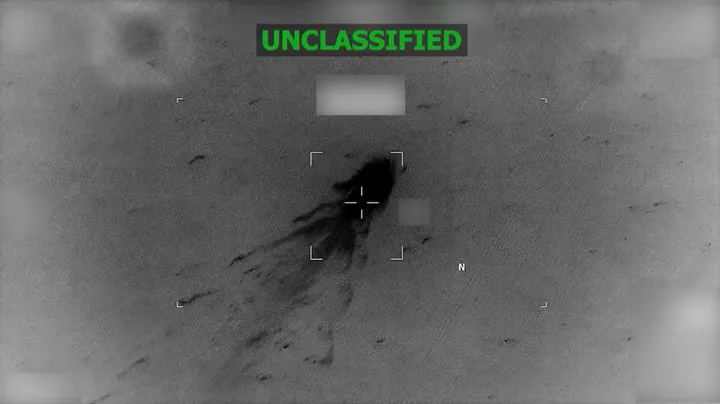
"In the event of direct US military action, Russia would most likely respond at the diplomatic level by condemning such steps in international forums, including the United Nations. Russia is unlikely to enter into direct military confrontation with the United States in Venezuela," says Kosevich.
"More probable responses would include intensified diplomatic support for Caracas, continued economic and technical cooperation, and stronger emphasis on the principles of sovereignty and non-intervention."


Similarly, Rouvinski says Russia's response would be rhetorical and diplomatic, rather than direct engagement.
"Russia would likely respond rhetorically and diplomatically by condemning US actions, raising the issue in international forums, and intensifying information operations," Rouvinski says.
"Direct military involvement is highly unlikely given Russia’s constraints and priorities elsewhere," he adds.
How could that affect Ukraine talks?
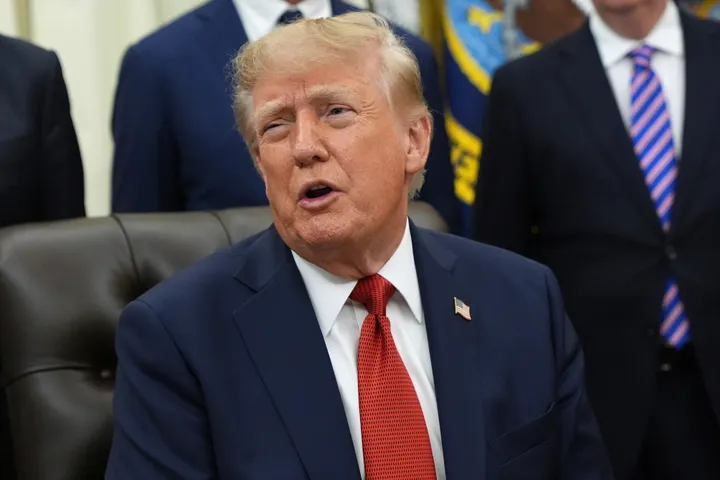
Relations between Washington and Moscow have remained unsettled since President Donald Trump returned to office earlier this year, positioning himself as a broker in a possible settlement between Russia and Ukraine.
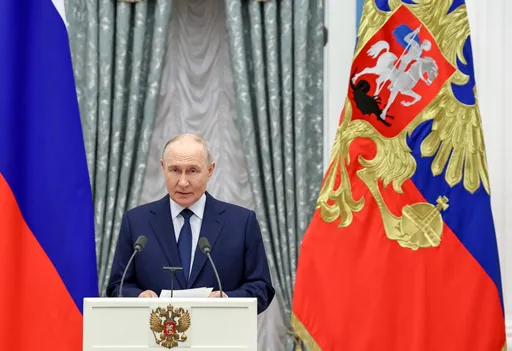
On December 19, Russia’s President Vladimir Putin reiterated Moscow’s non-negotiable terms for ending the war, demanding that Ukraine relinquish the four regions seized by Russia — Donetsk, Luhansk, Kherson, and Zaporizhzhia — and abandon, above all, any aspiration of joining NATO.
Ukraine’s President Volodymyr Zelenskyy has flatly rejected those conditions, leaving Trump to search for a narrow diplomatic middle ground between two entrenched and hostile positions.
As talks on Ukraine remain volatile and unsettled, experts say tensions in Venezuela could further cloud negotiations, but only "indirectly."
"Escalation in Venezuela would add tension and distrust to the broader US–Russia relationship, making compromise harder, though Ukraine would still remain Moscow's primary strategic focus," Rouvinski says.
Kosevich emphasises that while the two matters are not directly connected, any escalation in Venezuela would erode trust between Moscow and Washington, further complicating negotiations over Ukraine.
"Any further escalation involving Venezuela would likely worsen the overall climate of US–Russia relations," Kosevich says.
"This could indirectly complicate dialogue and reduce trust between the parties, including in discussions related to Ukraine, even if the issues are not directly linked."