 Esra Karataş Alpay
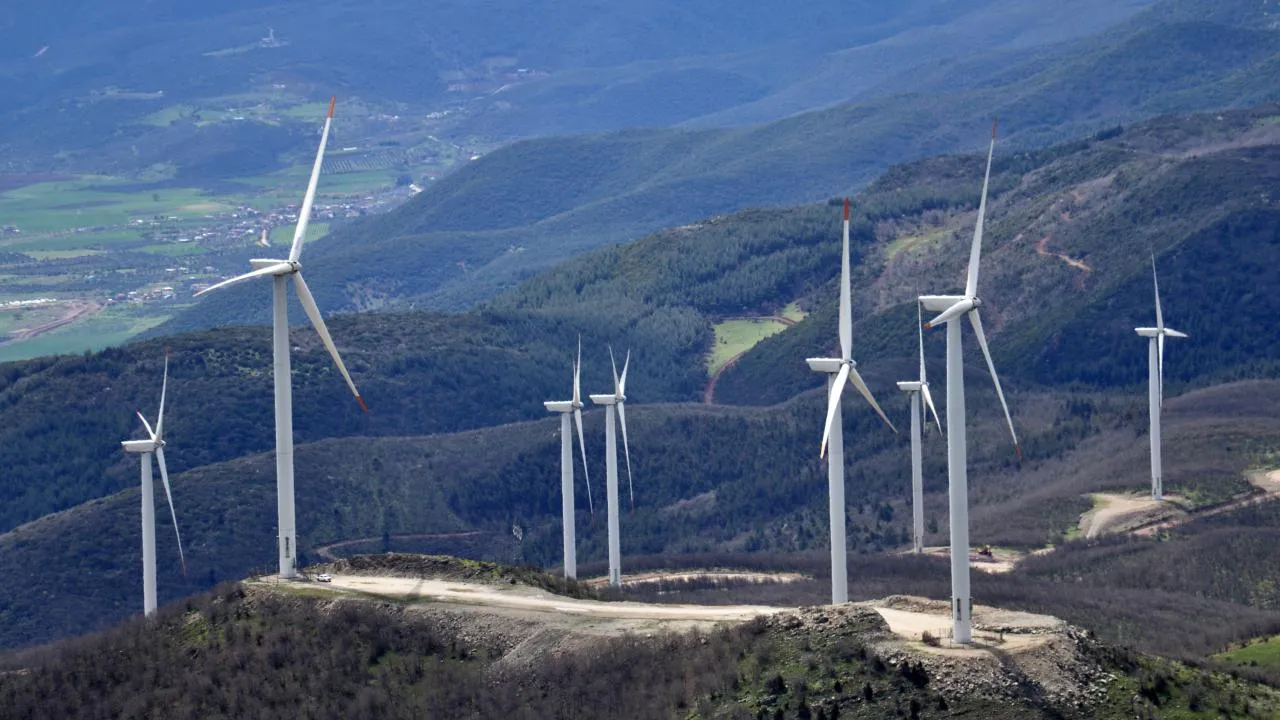
Türkiye entered 2026 with a milestone in renewable energy generation – in the first days of the year, electricity generation from wind reached a record daily high, highlighting the growing weight of renewables in the country’s energy mix.
Yet behind the headline figure lies a deeper structural shift — one shaped by long-term state planning, industrial localisation, and a strategic drive to reduce external dependence.
As Ankara accelerates its clean energy agenda, wind power has emerged not only as a source of electricity, but as a cornerstone of Türkiye’s broader economic and security strategy
Behind the record lies a strategy that combines political resolve, industrial policy, and long-term planning.
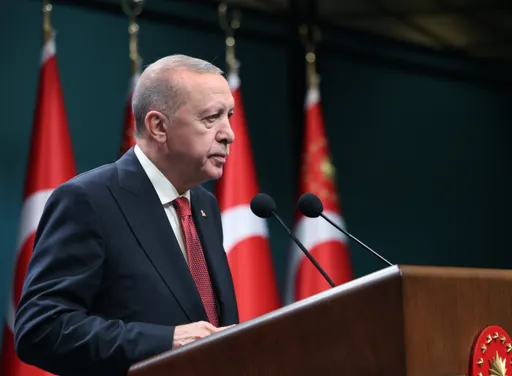
Türkiye’s push towards clean energy is anchored in its 2053 net zero emissions target and framed by what President Recep Tayyip Erdogan has repeatedly called a matter of national security: “full energy independence”.
Türkiye is “fundamentally reshaping its energy portfolio”, says Ozlem Erol, an environmental engineer and member of the Istanbul Metropolitan Municipality Council, stressing that renewable energy now sits at the core of national policy.
A national strategy
Nearly 62 percent of Türkiye’s installed electricity capacity already comes from renewable sources, she notes, pointing to the National Energy Plan and the Renewable Energy Resource Zones.
Known as YEKA, these projects under the Ministry of Energy and Natural Resources form the backbone of the energy transformation in the country.
“Türkiye is no longer just consuming energy,” Erol tells TRT World. “It is developing its own technology and integrating its wind and solar resources into the system through domestic capabilities.”
By the end of 2025, Türkiye’s total installed power capacity exceeded 121,000 megawatts, of which around 75,000 megawatts came from clean sources such as hydropower, wind, solar, and geothermal energy.
Solar capacity crossed 24,000 megawatts, while wind surpassed 14,000 megawatts, marking what engineer Erol describes as “historic thresholds.”
Wind energy, in particular, has emerged as both an energy source and an industrial strategy.
New contracts signed in early 2026 allocated 1,150 megawatts of additional wind capacity across several regions, including Balikesir, Aydin-Denizli, Kutahya, and Sivas.
The ministry has committed to launching at least 2,000 megawatts of new tenders every year, a move designed to give investors long-term predictability.
The vision extends offshore as well.
Türkiye has set a 2035 target of 5,000 megawatts for offshore wind installations, with candidate zones identified off the coasts of Bandirma, Bozcaada, Gelibolu, and Karabiga.
According to Erol, 2026 is expected to be a breakthrough year in which financing models are finalised and technical preparations completed, allowing construction to begin.
Energy storage is another pillar of the strategy. To address the intermittency of wind and solar, battery storage systems are increasingly being integrated into new projects.
The Ministry plans to add 7.5 gigawatts of battery capacity by 2035, a step Erol says will significantly enhance grid security and flexibility.
From generation to technology leadership
At the same time, Türkiye’s renewable push has been closely tied to industrial localisation.
Today, the country is among Europe’s leading suppliers of wind turbine towers, blades, and generators. Local content ratios in wind projects now exceed 70 percent, and in some technologies are even higher.
“We are not merely producing electricity,” Erol explains. “By combining the power of the wind with advanced technology, we are turning Türkiye into Europe’s clean energy hub.”
President of TESPAM –Türkiye Energy Strategies & Politics Research Centre – Oguzhan Akyener emphasises the long arc of policy behind today’s records.
“Türkiye”, he says, has been taking “decisive and consistent steps” in renewable energy for more than 15 years. Incentives, investment models, and the creation of a liberal market mechanism — coupled with a highly organised approach to transmission and distribution — have opened significant opportunities for investors and allowed installed capacity to multiply.
When measured against international benchmarks, Akyener explains, Türkiye now stands well above both global and European averages in terms of renewable capacity, the share of renewables in electricity generation, and per capita renewable energy production.
“Türkiye has moved beyond the European average,” he tells TRT World, “and has become one of the best countries in Europe in this field.”
He also highlights the country’s success in domestic manufacturing. Across nearly all renewable energy technologies, local production ratios exceed 90 percent, with solar approaching 100 percent and wind above 90 percent.
These achievements, he says, strongly support Türkiye’s macro-level energy targets and position the country not only as an energy producer, but as a technology developer.
Looking ahead, Akyener points to next-generation wind technologies and offshore wind as areas where Türkiye aims to deepen its technological capabilities.
He refers to nuclear power, noting that while it is not renewable, it is considered part of the clean energy spectrum.
With the commissioning of the Akkuyu plant, potential new reactor projects, and advances in small modular and micro-scale reactor technologies, he says that Türkiye could further strengthen its clean energy portfolio.
As a result, the record-breaking wind generation of early 2026 underscores a deeper transformation rather than a temporary surge.
Türkiye’s energy transition is increasingly defined by long-term planning, domestic technology development, and a strategic understanding of energy as both an economic and security priority.
As wind, solar, storage, and emerging technologies converge under a coherent national vision, the country is positioning itself not only to meet its climate commitments but also to reduce external dependence and expand its industrial base.
Whether these ambitions translate into sustained global leadership will depend on continued investment discipline and policy continuity, but the direction is clear: Türkiye is no longer on the margins of the green transition — it is actively shaping it.