 Noureldein Ghanem
Fighting raged in the Sudanese capital on the eve of the Eid al Adha Muslim holiday after paramilitaries seized Khartoum's main police base.
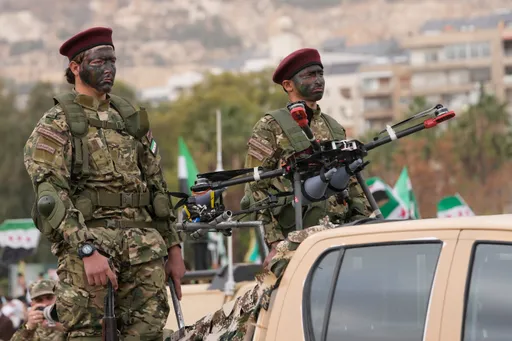
Fighting in the city between the army, led by General Abdel Fattah al Burhan, and General Mohamed Hamdan Dagalo's paramilitary Rapid Support Forces [RSF] is now concentrated around military bases.
At the same time in Sudan's west, the conflict is worsening to "alarming levels" in Darfur, the United Nations warned.
Since the fighting erupted on April 15, the RSF has established bases in residential neighbourhoods of the capital, while the army has struggled to gain a foothold on the ground despite its air superiority.
As the RSF fights to seize all of Khartoum, millions of people are still holed up despite being caught in the crossfire without electricity and water in the oppressive heat.
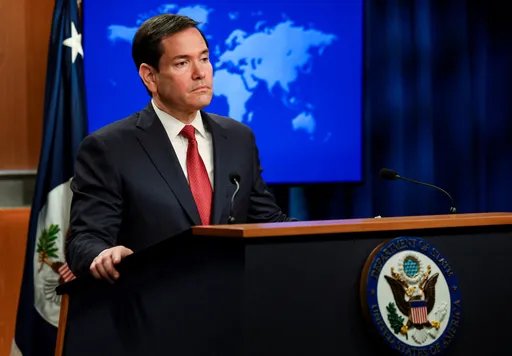
On late Sunday, the RSF announced they had seized the headquarters, on Khartoum's southern edge, of the paramilitary Central Reserve police sanctioned last year by Washington for rights abuses.
On Tuesday, the RSF attacked army bases in central, northern and southern Khartoum, witnesses said.
For many Sudanese struggling to survive the war, a taste of the sheep Muslims traditionally sacrifice for the feast of Eid al Adha is but a distant memory.
Mawaheb Omar, a mother of four who has refused to abandon her home, told the AFP news agency that Eid, normally a major event in Sudan, will be "miserable and tasteless", as she can't even buy mutton, which usually is part of the feast.
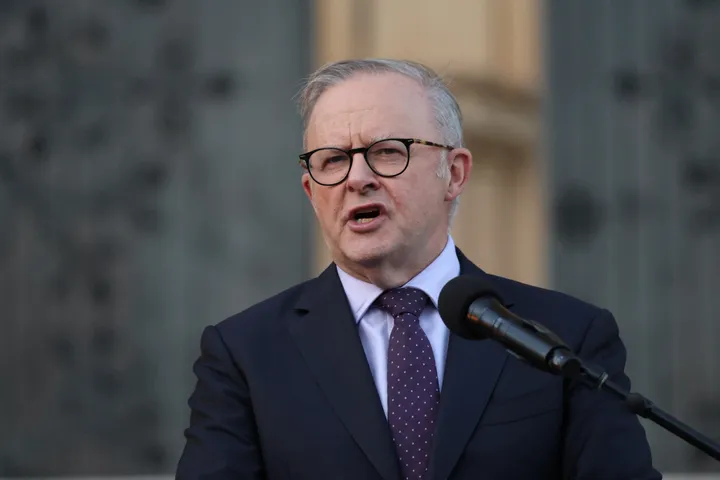
Army chief Burhan, made a televised speech on Tuesday announcing a "unilateral" ceasefire on the first day of Eid.
"The conspiracy requires of everyone to be awake and ready to respond to the existential threats to our country, and so we call on all the young men and who can defend to not hesitate to play this role, either from where he lives or by joining the armed forces," Burhan said during the speech.
RSF leader Dagalo, known as Hemetti, also announced a truce for Tuesday and Wednesday in an audio message after his forces took control of a major police base in southern Khartoum where it seized dozens of vehicles and large stocks of ammunition.
Looting
The United States, Norway and Britain, known as the Troika, on Tuesday condemned "widespread human rights violations, conflict-related sexual violence, and targeted ethnic violence in Darfur, mostly attributed to soldiers of the Rapid Support Forces and allied militias".
RSF are descended from Janjaweed militia unleashed by Khartoum in response to a 2003 rebel uprising in Darfur, leading to war crimes charges.
In the current fighting, the RSF have been accused of looting humanitarian supplies, factories and houses abandoned by those displaced by the fighting or taken by force.
Dagalo responded to these accusations on Tuesday in an audio recording posted online.




"The RSF will take swift and strict action" against those in its ranks who have carried out such abuses, he said.
The RSF had announced on Monday evening that it was beginning to try some of its "undisciplined" members, as well as the release of "100 prisoners of war" from the army.
Since the beginning of the conflict, both sides have regularly announced prisoner swaps through the Red Cross, without ever giving the exact number of those captured.
Dagalo, a former Darfur militia chief, also said they must "avoid plunging into civil war".
The UN and African blocs have warned of an "ethnic dimension" to the conflict in Darfur, where on Tuesday, Raouf Mazou, the UN refugee agency's assistant high commissioner for operations, told a briefing in Geneva there is a "worsening situation" in West Darfur state.
"According to reports from colleagues on the ground, the conflict has reached alarming levels, making it virtually impossible to deliver life-saving aid to the affected populations," he said.
New fronts against army
Elsewhere in the country, new fronts have opened against the army from a local rebel group in South Kordofan state, south of the capital, as well as in Blue Nile state on the border with Ethiopia.
In South Kordofan, authorities have decreed a nighttime curfew to curb the violence.
The Troika expressed "deep concern" about the fighting in Blue Nile and South Kordofan, as well as Darfur, that "risked further broadening the conflict".
Hundreds of civilians have fled over the border to Ethiopia because of the fighting reported around Kurmuk in Blue Nile, the UN said.
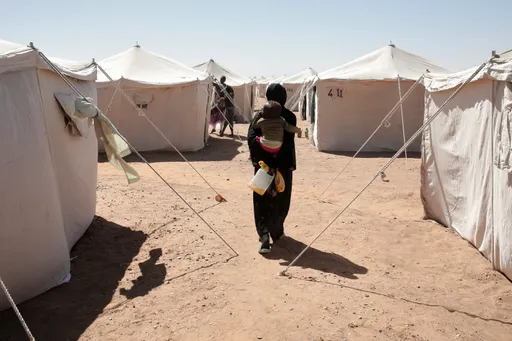
This adds to the ever-increasing number, now almost 645,000 people, who have fled to neighbouring countries, mostly Egypt and Chad, according to the latest International Organization for Migration data.
Around 2.2 million people have been displaced within Sudan, the agency said.
The UN has said the conflict is likely to drive more than 1 million out of the country by October.
Aid has reached at least 2.8 million people in Sudan, the UN said, but agencies report major hurdles to their work, from visas for foreign humanitarians to securing safe corridors, and a lack of funds.
A record 25 million people in Sudan need humanitarian aid and protection, the UN says.