Sadiq S Bhat
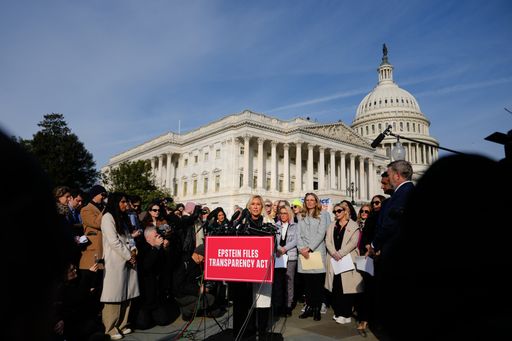
Washington, DC, — After passing both the US House of Representatives and Senate yesterday, the long-delayed Epstein Files Transparency Act is on its way to President Donald Trump’s desk for his signature.
The bill forces the Department of Justice (DOJ) to release its records linked to disgraced financier and convicted sex offender Jeffrey Epstein.
While the House passed it by a margin of 427 to 1, the Senate cleared it the moment the House delivered the document.
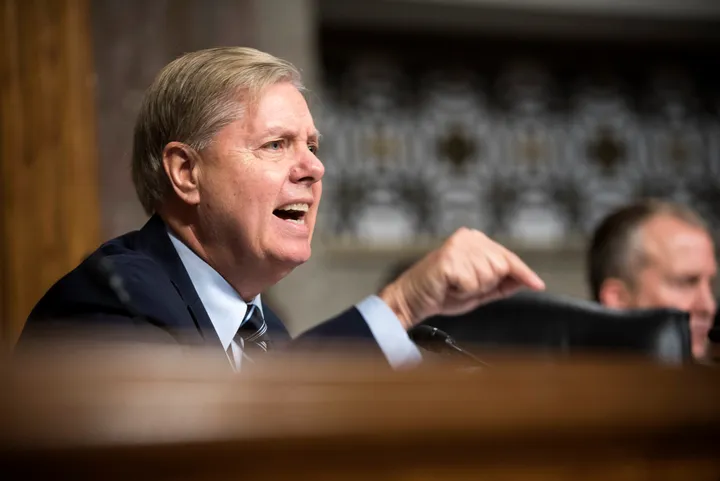
House Speaker Mike Johnson on Wednesday said he was “surprised and disappointed” by the Senate’s decision to advance the Epstein Files Transparency Act without changes, but acknowledged the measure has cleared Congress.
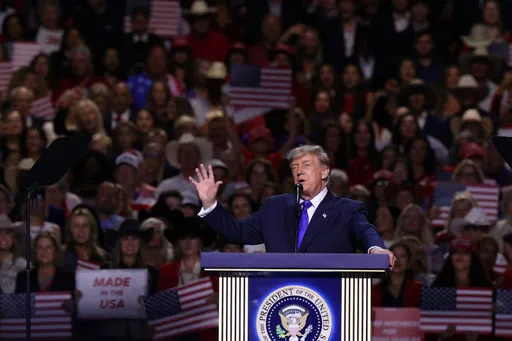
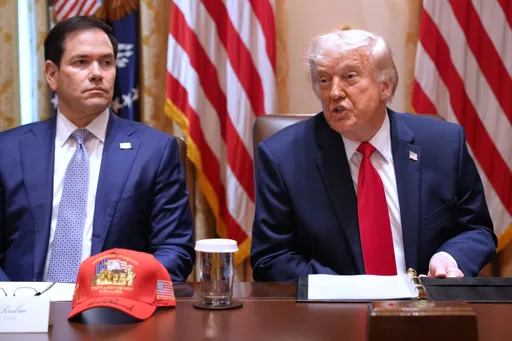
White House officials say Trump will sign it when it formally lands on his desk.
What comes after that remains uncertain.
The DOJ will need to decide how it can release years of investigative papers, interview notes, files, and correspondence. It remains unclear how much will be withheld under claims of ongoing legal work.
Rapid reversal in Congress
What has stood out most has been the speed. For months, Trump and top Republican figures expressed reservations about the bill.
White House spokeswoman Abigail Jackson said Trump had worried the focus on Epstein would distract from his other priorities.
"President Trump has never been against releasing the Epstein files - rather, he has always been against Republicans falling into the Democrat trap of talking about this rather than focusing on the historic tax cuts signed into law, the fact that zero illegal aliens have entered our country in five months, and the many other accomplishments of the Trump Administration on behalf of the American people," Jackson said.
Then, on Tuesday, the resistance began to fall away.
Both chambers of Congress moved faster than expected.
US Senate Minority Leader Chuck Schumer reiterated his demand on Wednesday for full transparency from the White House.
"If Donald Trump refuses to comply, if he refuses to obey the law, Senate Democrats will hold him accountable. We will exercise oversight. We'll demand transparency," Schumer added.
The latest developments in the long-running Epstein saga have exposed tensions among Republicans. Some have seconded Trump’s view that the entire saga pulls attention away from other priorities.
Yesterday, the only dissenting vote came from Representative Clay Higgins of Louisiana.
He is known as a staunch Trump loyalist and holds a seat on the House Freedom Caucus. He also chairs a House Oversight subcommittee, which makes his position more striking given the focus his panel often places on transparency.
Higgins has said the release could expose people who offered alibis or cooperated as witnesses.
All his colleagues disagreed. Even Republicans who once shared those concerns have now set them aside.
Several members have pointed out that years of refusal to release basic information created more suspicion than clarity.







New disclosures deepen fallout
The congressional pressure has come along with fresh revelations.
More than twenty thousand emails from Epstein’s estate have been released in recent days, exposing some big names.
Reid Hoffman, co-founder of LinkedIn, has issued a statement repeating his apologies for past links to Epstein. He has said the files confirm that he had no involvement in illegal activity.
The greater shock, though, has come from Larry Summers. One of the most influential American economists of the past half-century, former Treasury secretary and ex-Harvard president, has now stepped down from the OpenAI board.
He said he was stepping back from public engagements after his emails with Epstein were published.
What this moment means
With the bill now heading to the White House, attention shifts to the Department of Justice.
Trump said on 14 November that he would ask the Justice Department to investigate Epstein’s ties to several high-profile figures.
US Attorney General Pam Bondi said she had assigned a US attorney to lead a federal inquiry. That move gives the department grounds to say the matter sits inside an ongoing investigation.
Survivor groups have called for a complete release without redactions. They argue that any attempt to hold back material will reinforce doubts that powerful people are still being protected.
Democratic Senator Richard Blumenthal has said that a one-month timeline is reasonable, though he also argues that disclosure alone is not enough without further legal action where warranted.
Bondi said on Wednesday that the US Justice Department will release files from its investigation into Epstein within 30 days.
The passage of the act has marked one of the rare points of unity on Capitol Hill and brought the US closer to seeing material that has long been shielded by legal barriers and bureaucratic caution.
As the country waits to see what the files reveal, what comes next will shape how the public views one of the most scrutinised criminal sagas of our time.
It may also go on to determine whether further legal consequences follow for those whose names appear in the files.