China’s decision to voluntarily give up its developing-country status at the World Trade Organisation (WTO), the only global body dealing with the rules of trade between nations, has met with a round of applause from around the world.
The only exception, however, is the US, which said it was “about time” China forfeited the developing-country status – a technical classification that helped Beijing add more than $17 trillion to its GDP to become the world’s second-largest economy over a 23-year period.
China would no longer seek the “special and differential treatment” that developing nations receive as part of trade agreements under the WTO, Chinese premier Li Qiang announced on September 24.
Industrialised nations like the US and Japan that have high economic activity are considered developed countries. The rest of the world where 84 percent of the global population lives is called “developing”.
The statement by China’s second-ranked official raises two questions: What does the ceding of the developing-country status signify, and why has Beijing decided to do it now?
Perks of being a ‘developing country’
The creation of WTO on January 1, 1995, was celebrated as the “biggest reform of international trade” since the end of World War II.
Established a few years after the collapse of the Soviet Union, the global body allowed member countries to use free trade as a tool for job creation and rapid economic growth.
But a sudden opening of global trade could create serious challenges for underdeveloped countries.
For example, advanced economies like the US and Germany could flood developing countries with cheap products, killing local manufacturing jobs and wiping out their nascent industrial base.
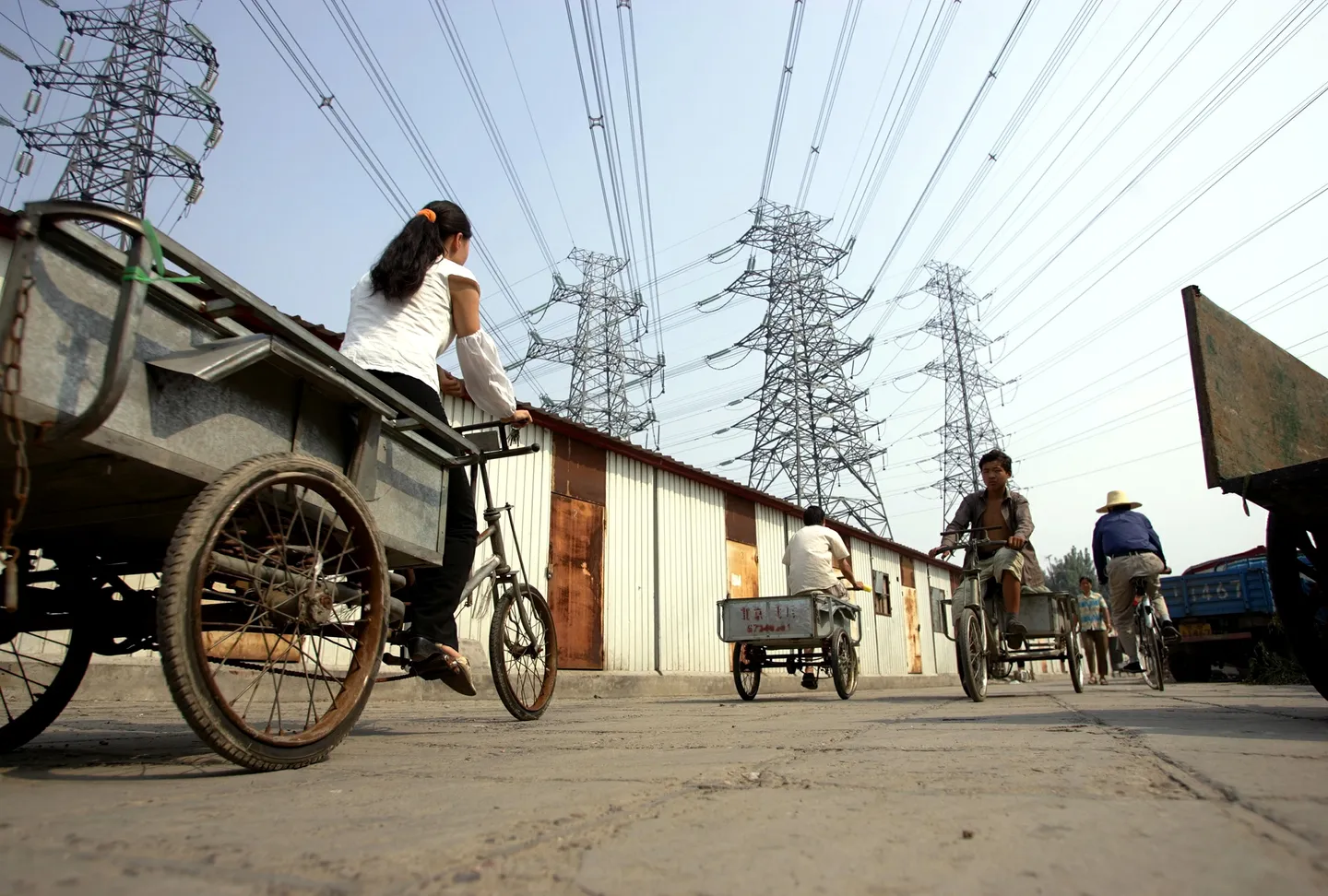
Agreements under the WTO ensured that developing countries like China, which joined the global body in 2001, did not have to immediately open up their economies to foreign businesses.
At the same time, WTO agreements allowed Beijing to export its goods to advanced nations without encountering too many trade barriers like quotas and tariffs.
The longer transition periods under WTO allowed Beijing ample time to build domestic manufacturing capacity, create jobs and lift people out of poverty before opening its markets to foreign competition.
The developing-country epithet also exempted China from contributing to the global climate crisis fund, even though China has long been the world’s top industrial polluter.
Second only to the US, China is today a nearly $19 trillion economy, up from $1.3 trillion when it joined the WTO in 2001.





In terms of the volume of exported goods and services, China is ahead of both the US and the EU.
But why now?
The US has long demanded that China stop using its developing-country status to seek special concessions in the global trading system. Washington claims Beijing is no longer a developing country simply because of the massive size of its economy.
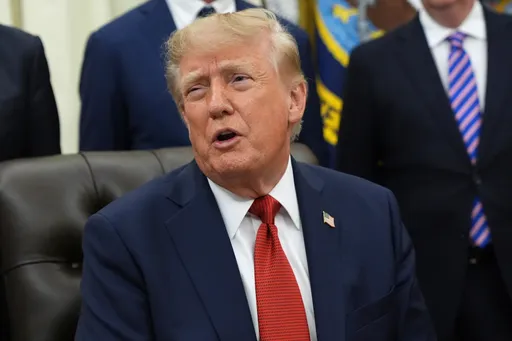
US President Donald Trump has repeatedly criticised China for using the developing-nation status at the WTO to claim “tremendous perks and advantages” that put US manufacturers at a disadvantage.
But China insists that it is still a developing country, citing its relatively low per capita income. Average income in the US is still more than six times higher than that of China, despite the latter’s massive economic growth in the last four decades.
The ceding of the developing-country status is Beijing’s “own decision”, according to China’s top envoy to the WTO, Li Yihong.
He added that China will “always be a developing country”, even though it will not seek the benefits attached to the title under WTO agreements.
In addition to technical reasons like per capita income, China is unwilling to let go of its developing-country status because of geopolitical reasons.
The title suits China’s long-term “strategic aims”. Beijing has long positioned itself as the leader of emerging nations – loosely called the Global South – that are opposed to the US-dominated world order.
Since coming to power in January, the Trump administration has used tariffs as an economic weapon against not only its rivals like Russia but also allies such as India and Canada, ostensibly to reduce a massive trade deficit and reshape global supply chains in its favour.
Without naming the US, officials of China’s commerce ministry said the decision to cede the status of developing country was an attempt to boost the global trading system.
China’s decision has come at a time when global trade is “under threat” from tariff wars and protectionist moves by “individual countries” to restrict imports, they were quoted as saying.