 Jawad Khalid
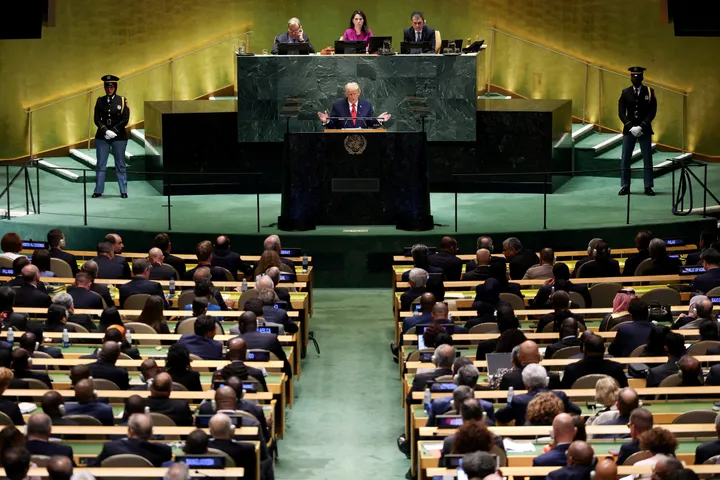
Canadian Prime Minister Mark Carney’s speech at the recent World Economic Forum in Davos stood out for its clarity. The so-called rules-based order, he said, was “pleasant fiction”, and hinted that the very idea is now on the verge of extinction.
What the world is experiencing, in his view, is not a transition but a rupture, where economic coercion, tariffs, and threats have replaced diplomacy, and where middle powers risk being pushed aside if they do not act together.
For Western capitals, this realisation has come as a shock. It has been sharpened by Donald Trump’s return to power and his open push to annex Greenland, an autonomous territory of a NATO ally.
For the first time, the United States is threatening an ally with economic pressure and territorial claims.
For the Global South, however, there is nothing new about this moment.
The so-called rules-based international order has always been a fiction. It has only become a fiction now for the transatlantic West.
For much of the rest of the world, it was a sham from the moment it was proclaimed.
The liberal international order only existed in name. It was a farce, a sham, and this was proven every time the US and its imperialist allies invaded a country or engineered coups and propped up regimes in the Global South, whether in Latin America or the Middle East.
Latin America offers some of the clearest examples.
From the CIA-backed overthrow of Guatemala’s Jacobo Arbenz in 1954 to the destruction of Chilean democracy with the removal of Salvador Allende in 1973, Latin America became the testing ground for a brutal truth: sovereignty mattered only if it aligned with Washington’s interests.
Argentina, Chile, El Salvador, and Guatemala were ruled by US-backed dictatorships that disappeared, tortured, and killed tens of thousands. Where were the rules then? Where was the outrage?
The same pattern played out across the Middle East.
Iraq’s invasion in 2003, justified by lies about weapons of mass destruction (WMDs), was perhaps the most blatant violation of international law in modern history. Nearly half a million Iraqis died, and the entire country was destroyed.
The world looked away and then moved on.
Lessons from Gaza
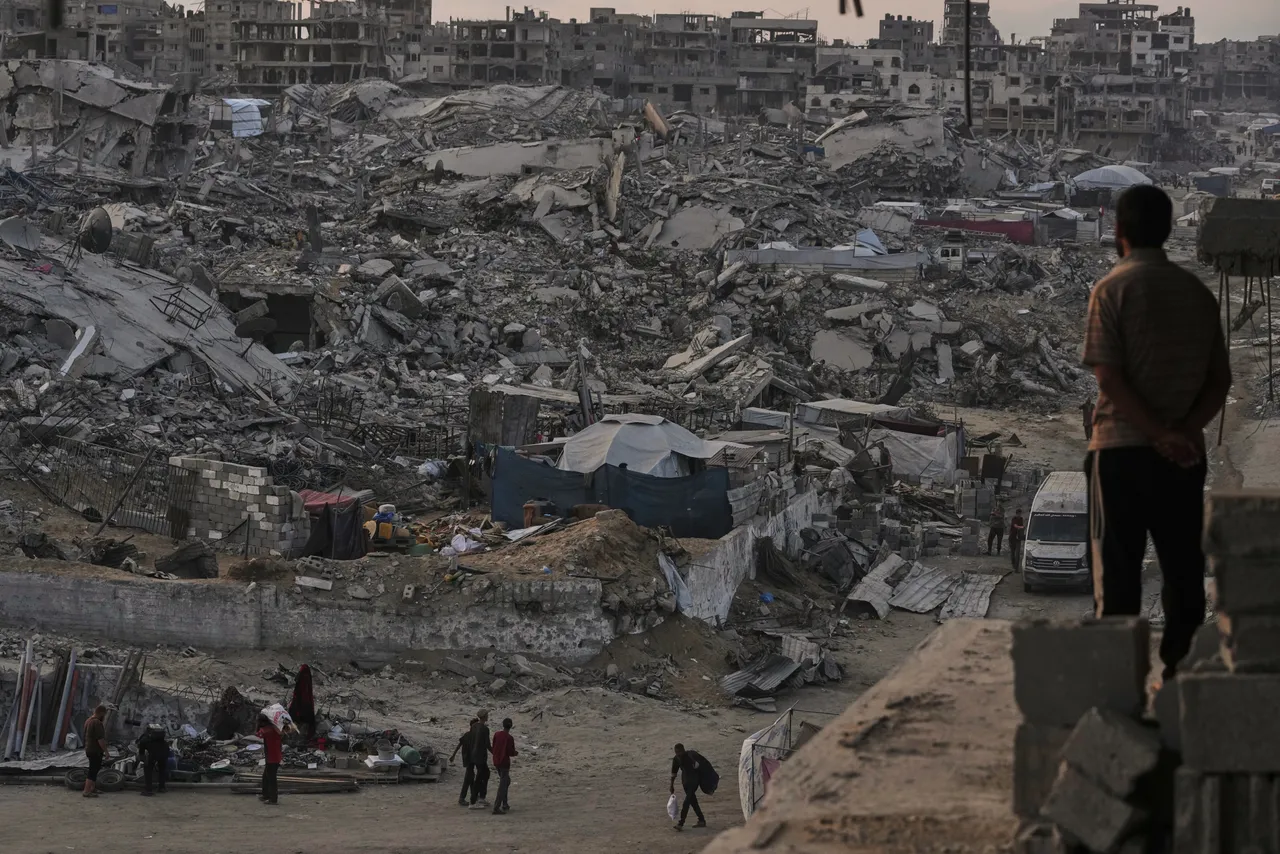
For nearly two years, the world has watched Gaza burn. According to the latest figures from Gaza’s Government Media Office, at least 20,000 children, around two percent of Gaza’s entire child population, have been killed by Israel since October 2023.
More than 1,000 of them were under one year old. Nearly half of those babies were born and killed during the war.
The suffering does not end with the death toll. Gaza’s Ministry of Health says at least 42,011 children have been injured.
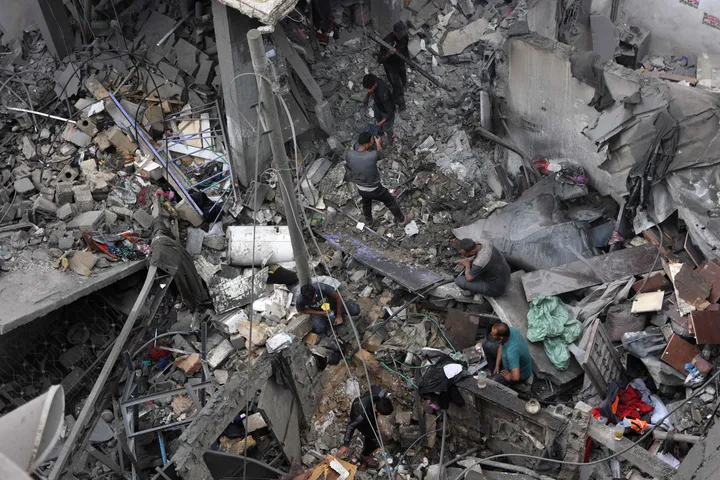



The UN Committee on the Rights of Persons with Disabilities reports that at least 21,000 children have been left permanently disabled.
Yet the Western world has not only failed to stop this, but it has enabled it. The US alone has spent over $21 billion in military aid and related operations in support of Israel since the war began.
Compare this with Ukraine. When Russia launched its full-scale invasion in 2022, then US President Joe Biden called Vladimir Putin a thug, accused Russia of genocide, and said Moscow was attacking the rules-based international order.
When the International Criminal Court moved in 2023 to prosecute Putin for war crimes, Washington welcomed the decision and held it up as proof that international law still had teeth.
The tone shifted when the court’s attention moved toward Israel’s leadership. Biden reaffirmed his unwavering support for Israel.
He rejected the charges of genocide in Gaza and signalled that the United States could work with hard-line Republicans in Congress to sanction the ICC itself. The same court that had been praised as a pillar of accountability suddenly became a problem.
The rules-based order is activated only when the transatlantic world feels threatened.
Back to the future
Yesterday it was Ukraine. Today it is Greenland.
Trump’s attempt to force Denmark into surrendering Greenland, backed by tariff threats and economic coercion, has triggered one of NATO’s most serious internal crises.
For decades, Europe accepted US hegemony in exchange for security. NATO provided the shield, and Washington set the terms. That arrangement now looks far less stable.
What is unprecedented is not American imperial behaviour. It is that this behaviour is now directed at an ally.
Europe is being treated in ways that Latin America, the Middle East, and much of the Global South have long understood.
The rules-based international order was never about rules. It was about preserving the US’s ability to shape those rules unilaterally.
The world doesn’t need a hypocritical order suited to the imperialist interests where might is right.
It needs an honest reckoning that any future order must be based on values of respect for human rights and international law, mutual respect for sovereignty and non-interference in internal affairs.
Until the sovereignty of non-Western nations and the lives of people in the Global South matter as much as those in the transatlantic West, any talk of a rules-based order will remain a farce.