 Syed Unns
The shooting at Sydney’s Bondi Beach, which took place during the first day of the Jewish religious festival Hanukkah, was first and foremost a profound human tragedy and an act rooted in antisemitic violence.
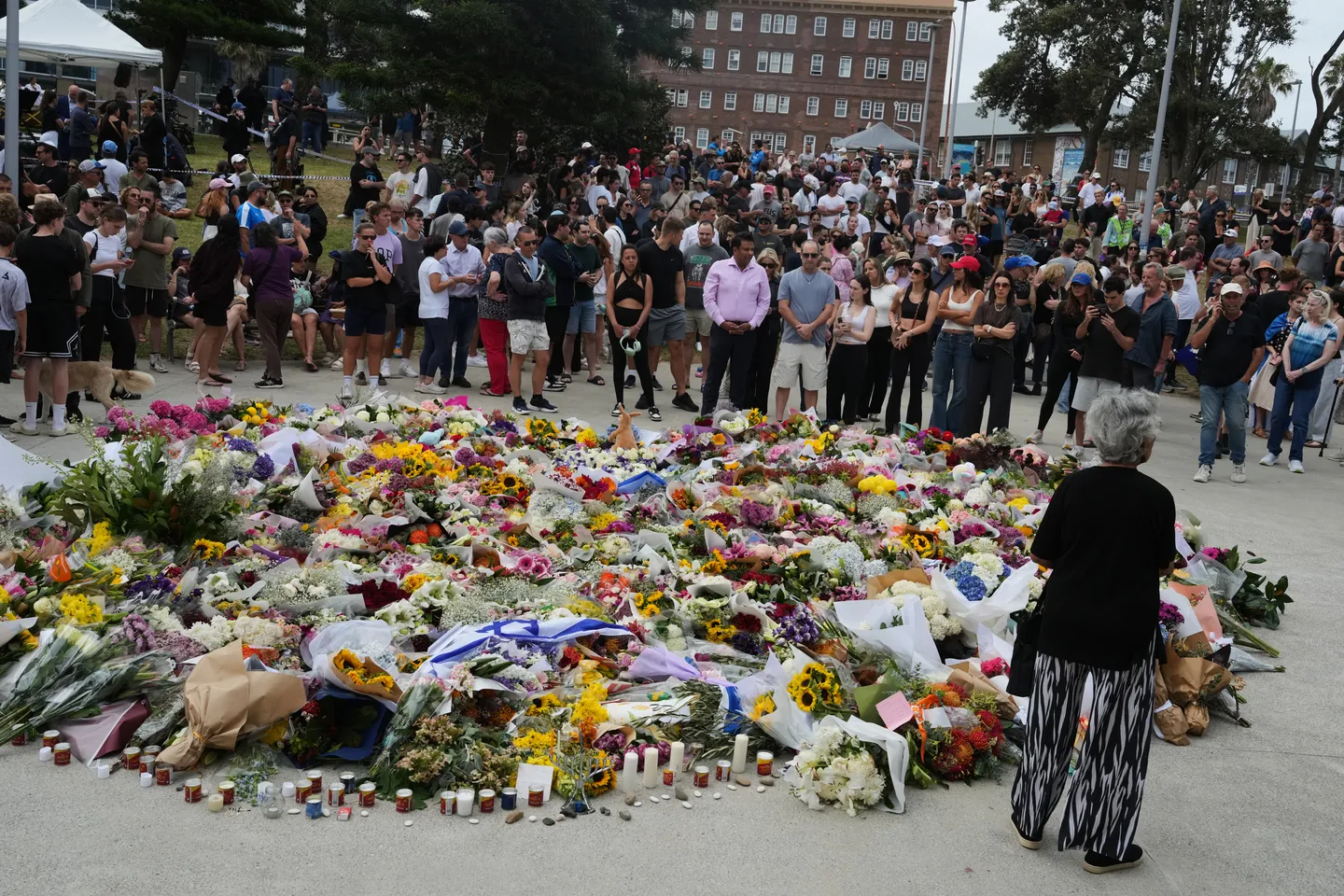
A moment meant for religious observance and communal gathering was brutally interrupted, leaving at least 15 people dead, families devastated, and a city in mourning.
Any discussion that follows must begin with this recognition: the attack targeted the Jewish community during a sacred time, and the victims deserve remembrance, dignity, and justice—free from political distortion.
Yet history shows that such moments of collective trauma rarely remain confined to mourning alone.
In Western societies – and much of the world – acts of public violence are quickly absorbed into broader political narratives, often before investigations are complete or motives are clearly established.
The Bondi shooting is no exception.
Within hours of the attack, online spaces—particularly platforms such as X—were already awash with speculation, insinuation, and outright accusations directed at Muslims.
Posts linking the violence to Islam, migration, or “Muslim extremism” spread rapidly, despite the absence of verified evidence.
Some social media users even shared videos of Christmas-linked fireworks to claim that “Islamists” were celebrating the killing of Jews in Bondi Beach. Some of the misinformation verged on the ludicrous.
This reflexive scapegoating unfolded even as authorities urged restraint and investigations remained ongoing.
What makes this reaction especially revealing is a fact that complicates these narratives but has struggled to gain equal attention.
A Muslim hero
One of the individuals who intervened to stop the attacker was himself a Muslim.
Fruit-seller Ahmed al Ahmed, a bystander at Bondi Beach, confronted and helped neutralise the shooter, placing himself directly in harm’s way. His actions undoubtedly saved many lives.
This was not symbolic solidarity or retrospective condemnation—it was immediate, physical courage in the face of lethal violence.
Yet al Ahmed’s role has not travelled as far or as fast online as baseless accusations against Muslims as a collective. His story disrupts a narrative that some are eager to advance—and so it is often sidelined.
This contradiction lies at the heart of a wider problem.
In Western political discourse, violence is rarely treated neutrally. When an attacker is Muslim—or even perceived to be—such incidents are quickly framed as civilisational threats.
Calls for heightened surveillance, restrictions on religious expression, and harsher immigration policies tend to follow.
When the attacker is not Muslim, the language shifts instead to mental health crises, lone actors, or tragic anomalies.

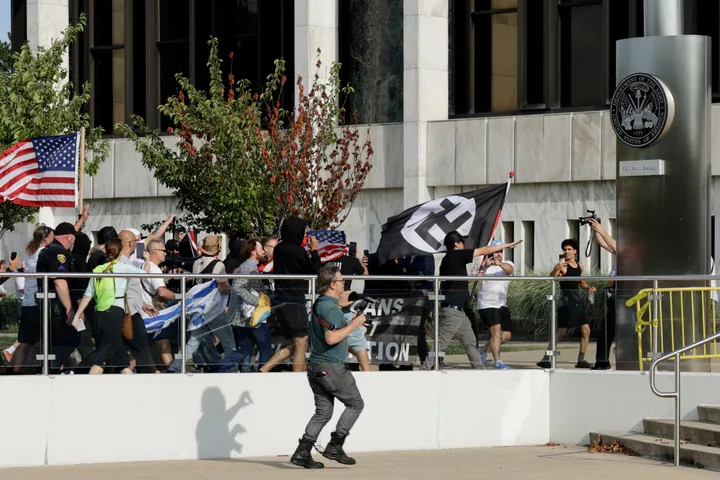
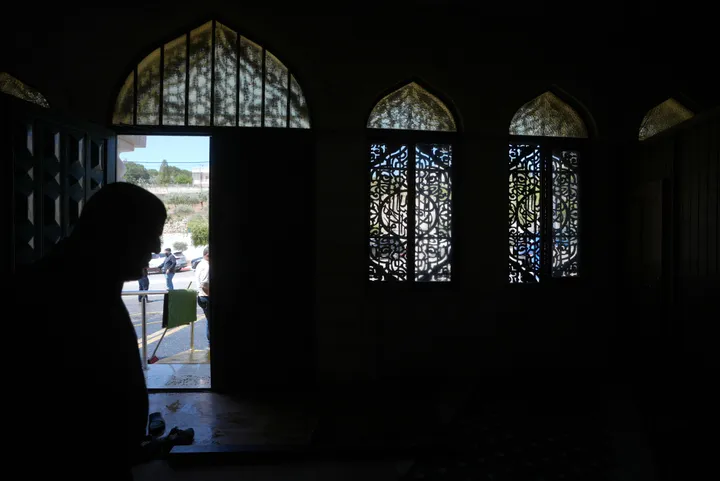


The result is a selective politics of violence, where identity determines interpretation rather than evidence.
Anti-Muslim hatred does not require confirmation; it thrives on fear, ambiguity, and repetition.
Digital platforms accelerate this process, rewarding outrage over accuracy and speed over responsibility.
Far-right actors understand this dynamic well. In moments of crisis, social media becomes a tool for advancing long-standing agendas under the banner of security and national cohesion.
Muslim communities, regardless of innocence or proximity, become collateral targets—expected to condemn louder, prove loyalty, or distance themselves from crimes they did not commit.
Anti-Islam rhetoric reloaded
This approach carries serious consequences.
First, it distorts public understanding of violence. The overwhelming majority of violent crimes in Western societies – like the frequent mass shootings in the US – are not driven by religion or ideology.
Obsessively linking violence to Islam diverts attention from real and documented threats, including far-right extremism, online radicalisation networks, misogynistic violence, and systemic failures in mental health intervention.
Second, it deepens social fractures. When entire communities are treated as suspects, trust erodes.
Alienation grows. Cooperation with authorities weakens. Ironically, policies justified in the name of security often undermine the very social cohesion they claim to protect.
Ahmed al Ahmed’s actions should have reshaped the conversation. Instead, they expose how rigid dominant narratives have become.
Muslim heroism is treated as an exception rather than evidence against prejudice. Muslim citizenship remains conditional in moments of crisis.
Australia, like much of the West, now faces a choice.
It can respond to violence with evidence-based policy, media responsibility, and communal solidarity—or continue down a path where fear dictates blame and tragedy is repurposed for political gain.
The Bondi Beach shooting deserves solemn remembrance, not opportunistic distortion.
The Jewish victims deserve justice, not narratives that fuel further hatred.
And figures like Ahmed al Ahmed deserve recognition — not because they are Muslim, but because their actions remind us of a truth too often ignored in times of crisis: humanity does not belong to one identity.
Until Western societies learn to confront violence without scapegoating, tragedies like Bondi will continue to serve not only those who commit violence — but those who exploit it.