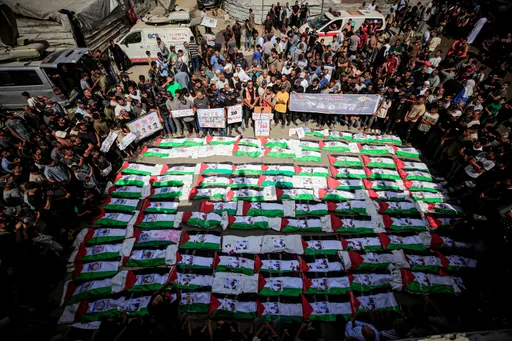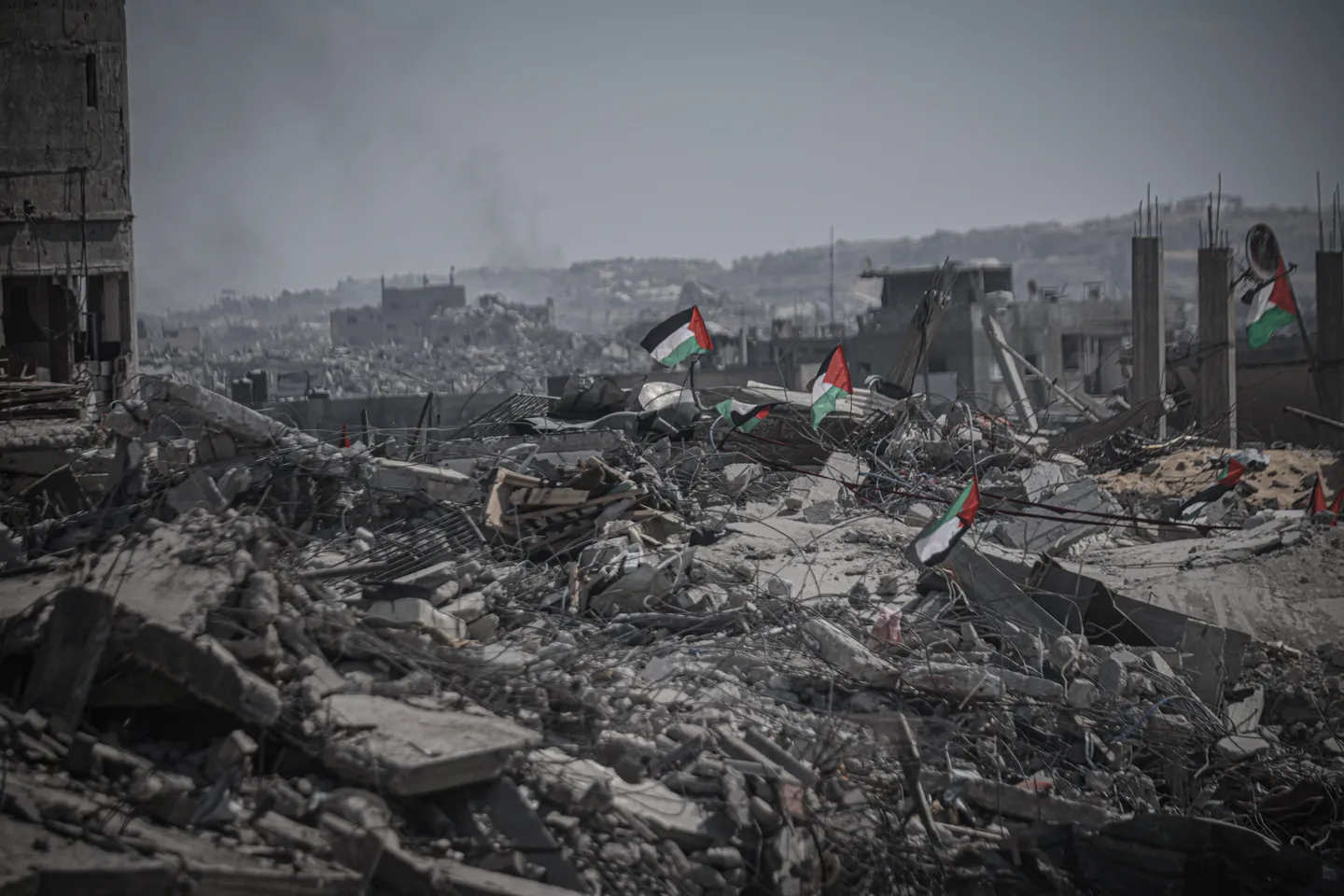
Following a ceasefire deal between Israel and Hamas, attention is now turning to the next phase of an ambitious peace plan aimed at ending Israel’s ruthless war in Gaza and setting the stage for long-term stability.
Bombardment stopped and Israeli troops pulled back in Gaza on Friday under a breakthrough ceasefire deal between Israel and Hamas.
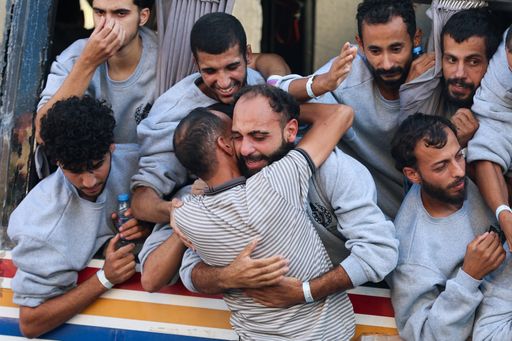
So far, Palestinian resistance group Hamas has released all of the 20 living Israeli captives in exchange for Palestinian prisoners and detainees, and more aid has started to flow into the Palestinian territory after two years of brutal war.
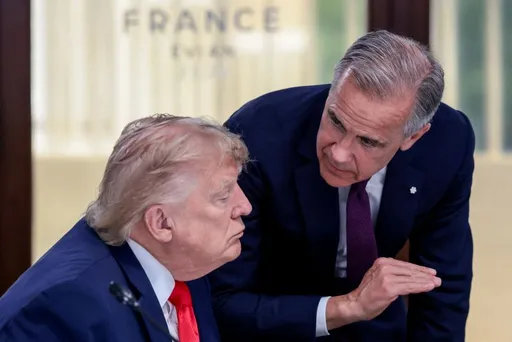
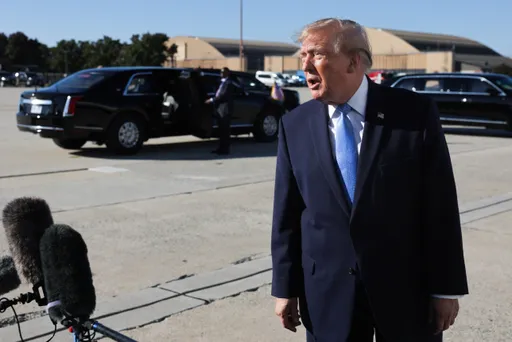
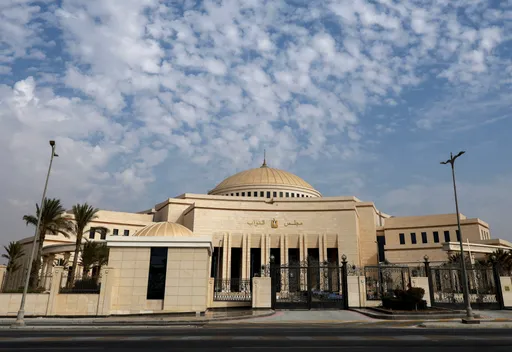
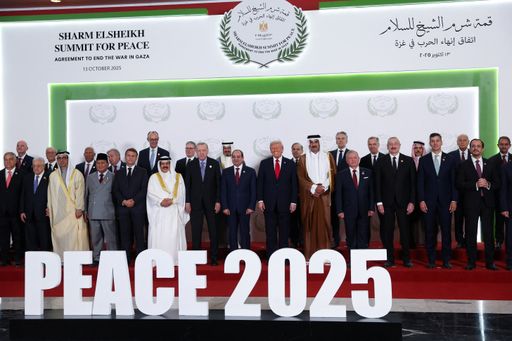
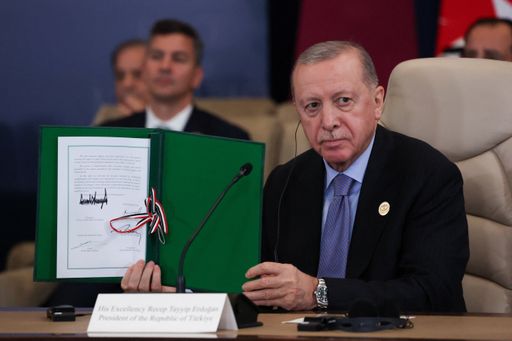
Egypt, Qatar and Türkiye signed with US President Donald Trump a document on the Gaza ceasefire deal on Monday during an international summit hosted by Egypt in the Red Sea resort of Sharm el-Sheikh on the deal.
The peace plan unfolds in multiple stages, each with major hurdles to overcome.
What are the three phases?
The current stage, already in motion, included a mutual ceasefire, release of Israeli hostages and Palestinian prisoners, and increased humanitarian access.
International mediators say this phase is holding but remains fragile, with trust still low between the parties.
There still remains a long list of unanswered questions over what happens next.
The upcoming phase 2, arguably the most difficult, will push for the dismantling of Palestinian resistance group Hamas’ military infrastructure, including rocket stockpiles and underground tunnels.
Hamas fighters may be offered amnesty or safe passage abroad in exchange for laying down arms.
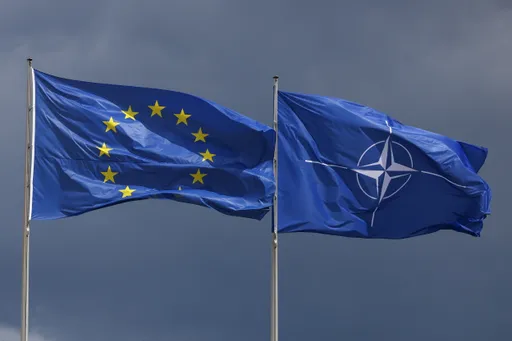
To prevent a power vacuum, a multinational peacekeeping force, possibly including troops from Arab states and NATO allies, will be deployed to secure key areas and supervise the transition.
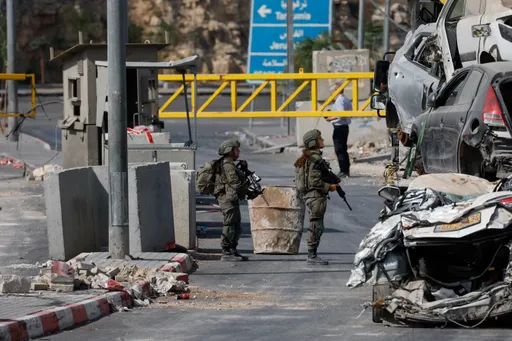
Israeli troops are expected to gradually withdraw as the international force takes over.
Israel wants to ensure that Hamas disarms.
Hamas wants to ensure Israel pulls its troops completely out of Gaza and is not allowed to restart the war. Hamas says it is relying on solid guarantees from Trump that the full withdrawal will happen.
But how long it will take — weeks, months, years — is unknown.
An initial 20-point plan issued by Trump called for Israel to maintain a narrow buffer zone within Gaza along their shared border, and Israel has also spoken of keeping hold of the Philadelphi Corridor, a strip of land on Gaza’s border with Egypt.
Israel is unlikely to relinquish those areas unless Hamas disarms.
At the same time, a postwar government for Gaza must be worked out to replace Hamas’ rule.
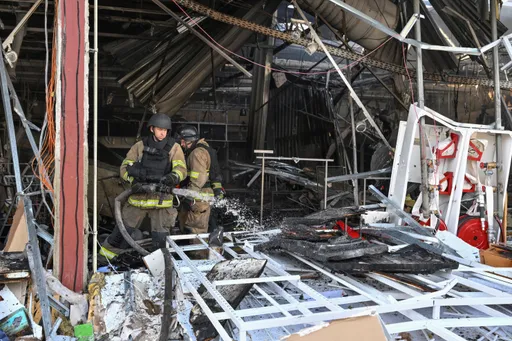
Without that in place, reconstruction is unlikely to take place, leaving Gaza’s more than two million people in continued misery.
With no trust between the sides, much relies on continued pressure from the deal’s guarantors.
Any hitch in working out those intertwined issues can unravel everything and potentially lead to Israel resuming its campaign to destroy Gaza.
Trump's 20-point plan also called for an Arab-led international security force to move into Gaza, along with Palestinian police trained by Egypt and Jordan.




It said Israeli forces would leave areas as those forces deploy.
It is not known whether that system will be followed or an alternative will be negotiated.
If demilitarisation is successful, focus will shift to rebuilding Gaza’s devastated infrastructure under phase 3.
Billions in aid are expected to flow from international donors, including the EU, Gulf states, and the US.
A neutral interim administration will likely be installed to manage reconstruction, paving the way for eventual handover to the Palestinian Authority or a reformed governing body representing both Gaza and the West Bank.
What some of the major players are saying
Key international figures have weighed in on the fragile ceasefire and peace plan phases.
US Secretary of State Marco Rubio has said the difficult work starts now as the first phase of the ceasefire takes effect.
Israel’s Prime Minister Benjamin Netanyahu reaffirmed the commitment to security, but insists that Hamas must be disarmed for peace to hold.
Hamas acknowledged the ceasefire but urged “continued vigilance and rights for Palestinians.”
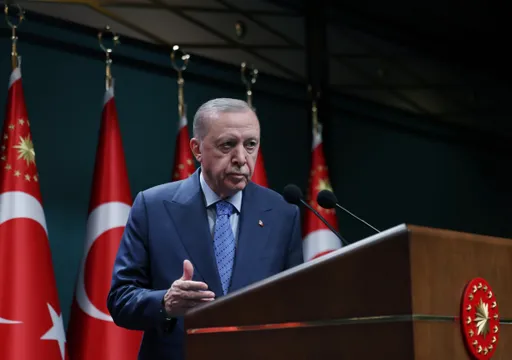
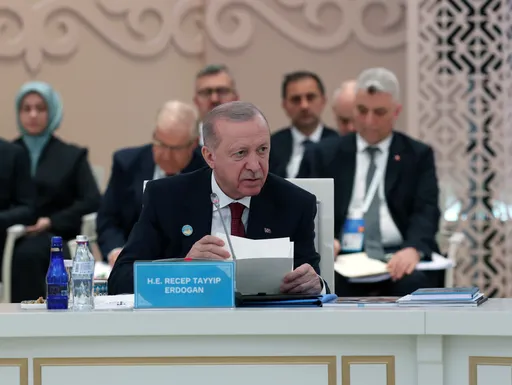
Türkiye’s President Recep Tayyip Erdogan has said that lasting peace in Gaza can only be achieved with a two-state solution. He has underscored the need for uninterrupted humanitarian aid to reach Gaza and for the immediate start of its reconstruction.
Speaking at the summit in Sharm el-Sheikh on the Israel-Hamas ceasefire deal and Gaza's future, Egyptian President Abdel Fattah el-Sisi told world leaders on Monday that Trump's proposal is the "last chance" for peace in the region.
Meanwhile, the UN secretary-general, in a statement issued by his spokesperson, also called for the immediate, unimpeded entry of humanitarian aid and urged that “the fighting must stop once and for all,” and linked the ceasefire to restarting a credible political process toward a two‑state solution.
Future government
While the current peace plan concentrates on immediate ceasefire and stabilisation, it largely sidesteps the core issues of Palestinian statehood and final status negotiations.
Many experts view this phased approach as a necessary first step toward reviving the long-stalled two-state solution talks.
However, uncertainty remains about how and when a fully sovereign Palestinian state might be realised, given ongoing political divisions and regional complexities.
Critics warn that disarming Hamas could prove unrealistic, and there are concerns over whether Gazans will accept an externally imposed authority.
Funding and coordination also remain major concerns, as does the risk of renewed violence.
Despite the uncertainties, international actors are betting on this phased approach as the best chance in years to stabilise Gaza and end a cycle of war and humanitarian crisis.
Will the peace last?
Many Palestinians fear Israel will take any breakdown in the talks as a chance to resume its assault.
For months, Netanyahu and his hard-line allies have insisted they will keep long-term direct security control over Gaza and have spoken of pushing out its Palestinian population, ostensibly on a “voluntary” basis.
In Gaza, many believe that remains Israel’s objective.