As the Russia-Ukraine war enters its fourth year, diplomatic efforts to resolve the crisis have intensified in the last week, with all eyes on US President Donald Trump’s high-profile peace proposal aimed at ending Europe’s deadliest conflict since World War II.
The plan has sparked sharp reactions from Kiev, Moscow, and European capitals, with concerns over Ukraine’s sovereignty, territorial concessions, and future security.
This explainer breaks down the proposal, the objections it faced, the revisions made, and how different stakeholders are responding.
What Trump initially proposed
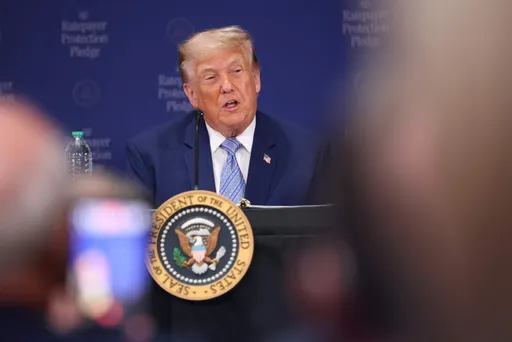
The United States presented a 28‑point draft peace plan last week, meant to end the war between Ukraine and Russia. It was crafted by Trump’s administration and the Kremlin, without Ukraine’s involvement.
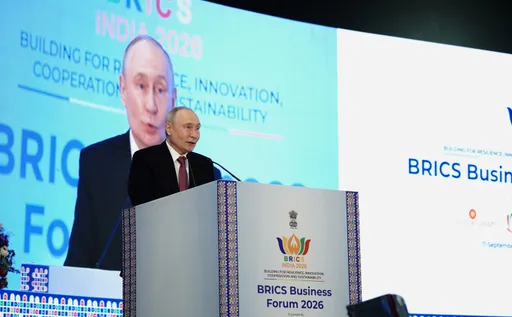
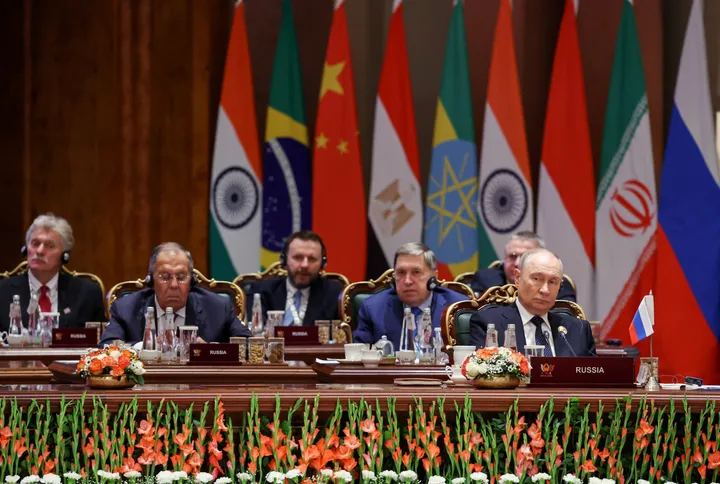
Russian President Vladimir Putin had welcomed the proposal late on Friday, saying it “could form the basis of a final peace settlement” if the US could get Ukraine and its European allies to agree.
Zelenskyy said his country needs a peace that ensures Russia does not attack again. He said he would work together with the European Union and the Americans to achieve this.
Key provisions included:
Confirming Ukraine’s sovereignty
A broad non‑aggression agreement among Russia, Ukraine and Europe,
Limiting Ukraine’s armed forces to 600,000 personnel
Enshrining in Ukraine’s constitution a permanent renunciation of joining NATO
NATO agreeing that it would not station troops in Ukraine
Broader security guarantees for Ukraine (with the US to receive compensation for such guarantees).
The plan reportedly would require Ukraine to give up territory — including ceding control of Russian‑occupied regions in the east (Donetsk, Luhansk) and possibly more — and limit or abandon certain categories of weaponry, as well as scale back US military assistance.
Additional elements included reconstruction and redevelopment cooperation, energy‑infrastructure arrangements, and a humanitarian framework (prisoner exchange, resettlement, post‑war recovery), among others.
In short, the 28‑point plan aimed to end the war but imposed heavy demands on Kiev, including major territorial, military and sovereignty concessions in return for security guarantees, reconstruction support, and legal non‑aggression assurances.
The reservations of Ukraine
Ukraine and its European allies said the plan rewards Russian aggression and scrambled to offer counterproposals aimed at shifting the balance towards Ukraine.
Kiev’s main objections were refusing to recognise Russia’s occupation, rejecting limits on its military (600,000 cap), refusing a constitutional ban on NATO membership, and opposing enforced territorial concessions.
Ukraine argued that accepting the plan would mean losing “freedom, dignity and justice.” Leaders insisted any peace deal must be “dignified” and not imposed under pressure.
There was also concern that the plan seemed to mirror a “wish list” from Russia, rather than a balanced or fair settlement — raising fears of a capitulation rather than a genuine peace.
What the European powers are saying
European leaders, notably from the so-called E3 group of the United Kingdom, France and Germany, criticised the 28‑point plan as deeply problematic.
They said it would need substantial amendment before it could be considered credible.




Their main concerns included limitations on Ukraine’s military, seen as leaving Kiev vulnerable to future aggression, automatic territorial concessions and decisions regarding NATO or European security being taken without European input.
The E3 drafted and circulated a counter‑proposal that keeps Ukraine’s sovereignty front and centre, raises the military cap (in peacetime) to 800,000, rejects preassigned “de facto Russian” territories, and supports robust security guarantees.
The European counter‑proposal also rejects the use of frozen Russian assets for American‑led investment. Instead, it calls for those assets to remain frozen until Russia compensates Ukraine for war damages.
In short, the EU wants a peace deal that preserves Ukrainian sovereignty and defence capacity, rejects forced territorial concessions and ensures any security arrangements (NATO‑related or otherwise) have European backing.
Changes made in the latest proposal
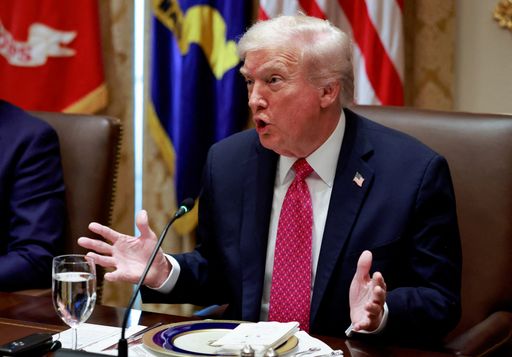
After intense negotiations in Geneva between US and Ukrainian officials and under pressure from European allies, the original 28‑point plan was pared down.
The new version reportedly has 19 points.
According to media reports, many of the most contentious demands were removed or deferred, such as the strict 600,000 troop cap and forced constitutional non‑NATO clause, and mandatory territorial concessions have been softened or postponed.
Key changes appear to take into account Ukrainian and European priorities: the revised framework is said to “reflect their national interests.”
However, a big caveat is that core issues remain unresolved, especially territorial questions.
According to one official, such issues are now to be handled at the presidential level (i.e. in direct talks between Trump and Volodymyr Zelenskyy).
Where do things stand?
The initial proposal sparked outrage in Kiev and deep concern in European capitals as many saw it as an attempt to force Ukraine to capitulate.
European actors have now inserted themselves into the negotiation process, presenting a counter‑proposal and insisting that any peace deal respects Ukraine’s sovereignty, defensive capacity, and future security and is not dictated solely by Washington.
Russia, meanwhile, has responded sharply to the growing European involvement in talks, accusing European politicians and media of trying to derail the US-led peace push.
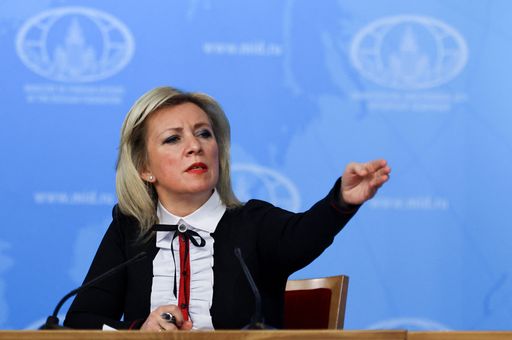
The Russian foreign ministry’s spokesperson Maria Zakharova said European “information attacks” are intended to obstruct any diplomatic settlement.
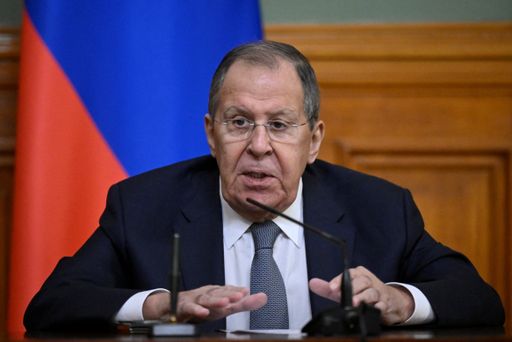
Moreover, according to the Russian presidential aide Yuri Ushakov, Russia has not formally negotiated the US plan, saying that Moscow and Washington remain in contact regarding the broader peace framework but that “no serious discussions” have taken place at the negotiating table.
The revised 19‑point version appears more acceptable to Kiev and its European partners, but significant issues remain unresolved, especially the territory and the guarantee mechanism.
As of now, diplomacy is ongoing.
US and Ukrainian officials say they’re “working on the provisions,” while European states press for binding security guarantees and clarity on territorial status.
But the most difficult questions of territorial concessions, how security is guaranteed, and how enforceable the peace will be, remain to be addressed.