Indirect negotiations between Israel and Hamas have begun in Egypt’s Red Sea city of Sharm el-Sheikh to prepare the ground for a prisoner exchange, Egyptian media said.
The state-run Al Qahera News channel, citing Egyptian sources, said on Monday that the talks are part of Egypt’s efforts to implement US President Donald Trump’s Gaza ceasefire plan.
“Mediators from Egypt and Qatar are making major efforts to establish a mechanism for the release of prisoners,” the sources added.
An Israeli negotiating team arrived in Sharm el-Sheikh early Monday for the ceasefire talks. The Hamas delegation, headed by the group’s leader Khalil al Hayya, arrived on Sunday.
The talks on a US-drafted peace plan to end the war in Gaza were beginning on the eve of the second anniversary of October 7.
Hamas said negotiations would focus on the first stage of a ceasefire, including the partial withdrawal of Israeli forces as well as the release of hostages held in Gaza in exchange for Palestinian prisoners in Israeli detention.
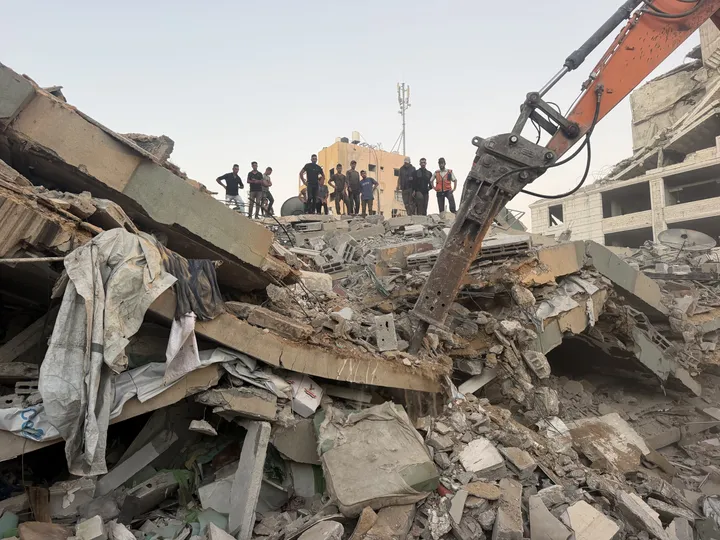
Palestinians in Gaza were following the latest effort to stop the war there and release the hostages with a mix of anticipation, cautious optimism, and skepticism as Israeli and Hamas officials met Monday for indirect talks in Egypt.
Prayers, skepticism, and past disappointments





“We’re all praying that they will succeed this time and the war stops,” said Ahmed Hashem, a father of four from Jabaliya refugee camp who was in Gaza City.
Essam Hararah, a 55-year-old Palestinian from northern Gaza, said he hopes the negotiations will end up with a deal to “end the human suffering” in Gaza.
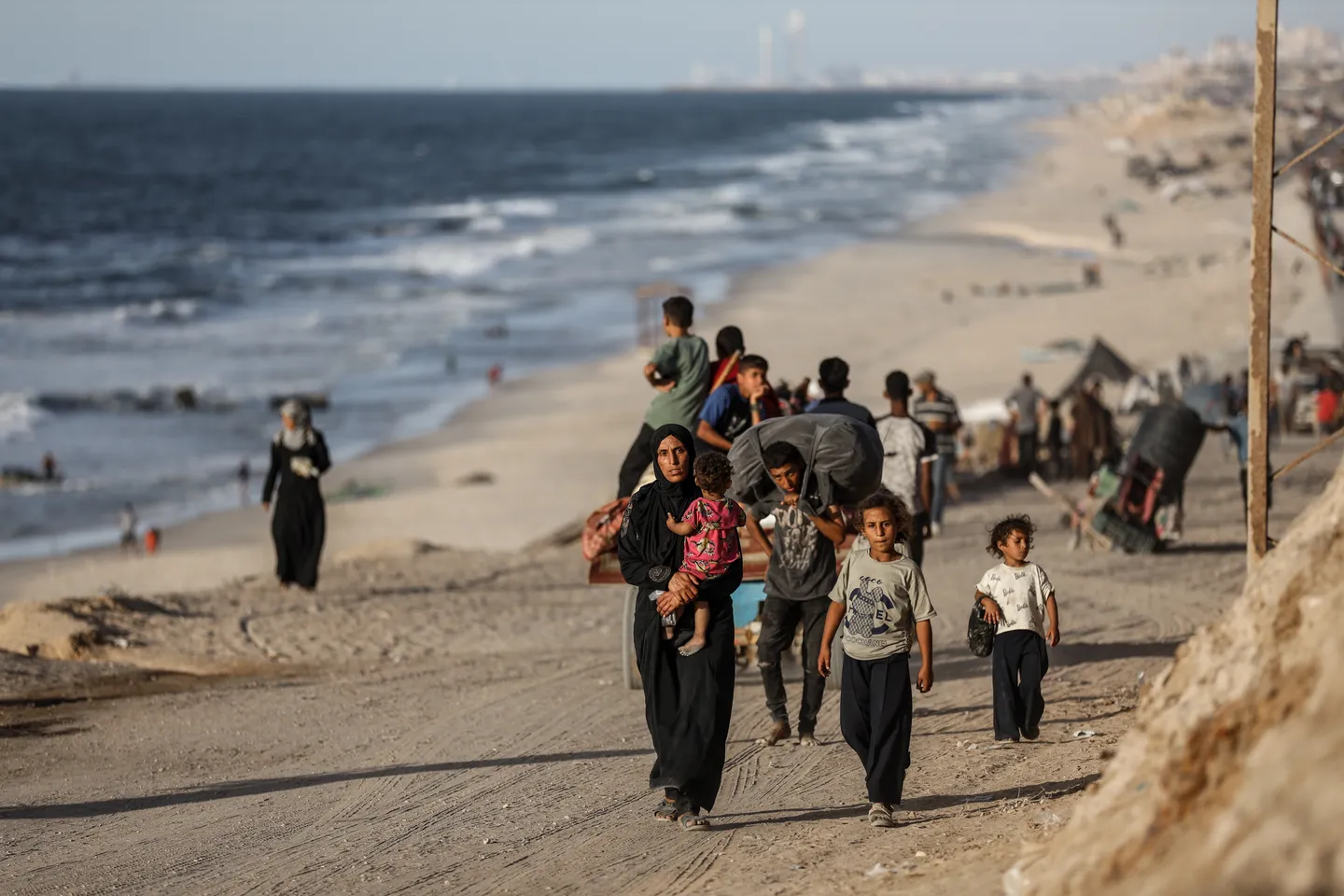
“This is the priority,” he said from Muwasi, an area crowded with tents sheltering Palestinians who were forced to flee their homes. “The situation in Gaza has become deplorable.”
Hussein Abu Arabiya, who was displaced from Jabaliya, said he was praying for the ceasefire effort to succeed. “The people are truly tired after two years of displacement. We are very tired,” he said. “Today we appeal to God to end the suffering of the Palestinian people after this great destruction that we never expected.”
Some were skeptical, saying their previous hopes had been dashed. “We are two years into this war and we have not seen any progress or anything on the ground that would make us hopeful," said Nabila Shunnar, who was displaced from Gaza City.
Omar Nashar, a Khan Younis resident, expressed cautious optimism, saying that tremendous regional and international pressure will yield positive outcomes. Still, he said he was concerned that Israeli Prime Minister Benjamin Netanyahu could derail the talks for domestic reasons.
“We hope that international and Arab pressure on the occupation will continue, so that these negotiations can continue to completely end the war, rebuild, and allow all our people to return to their homes,” he said.