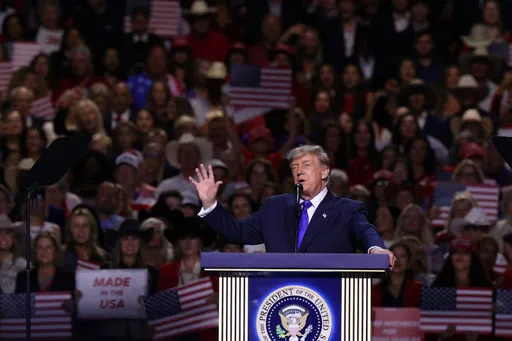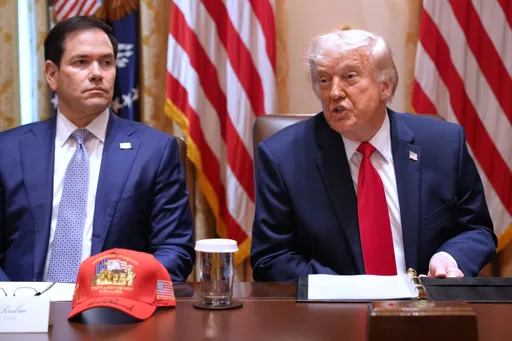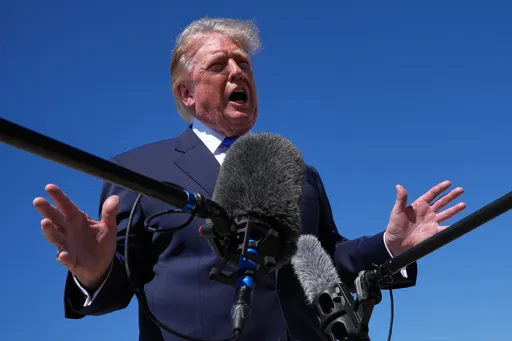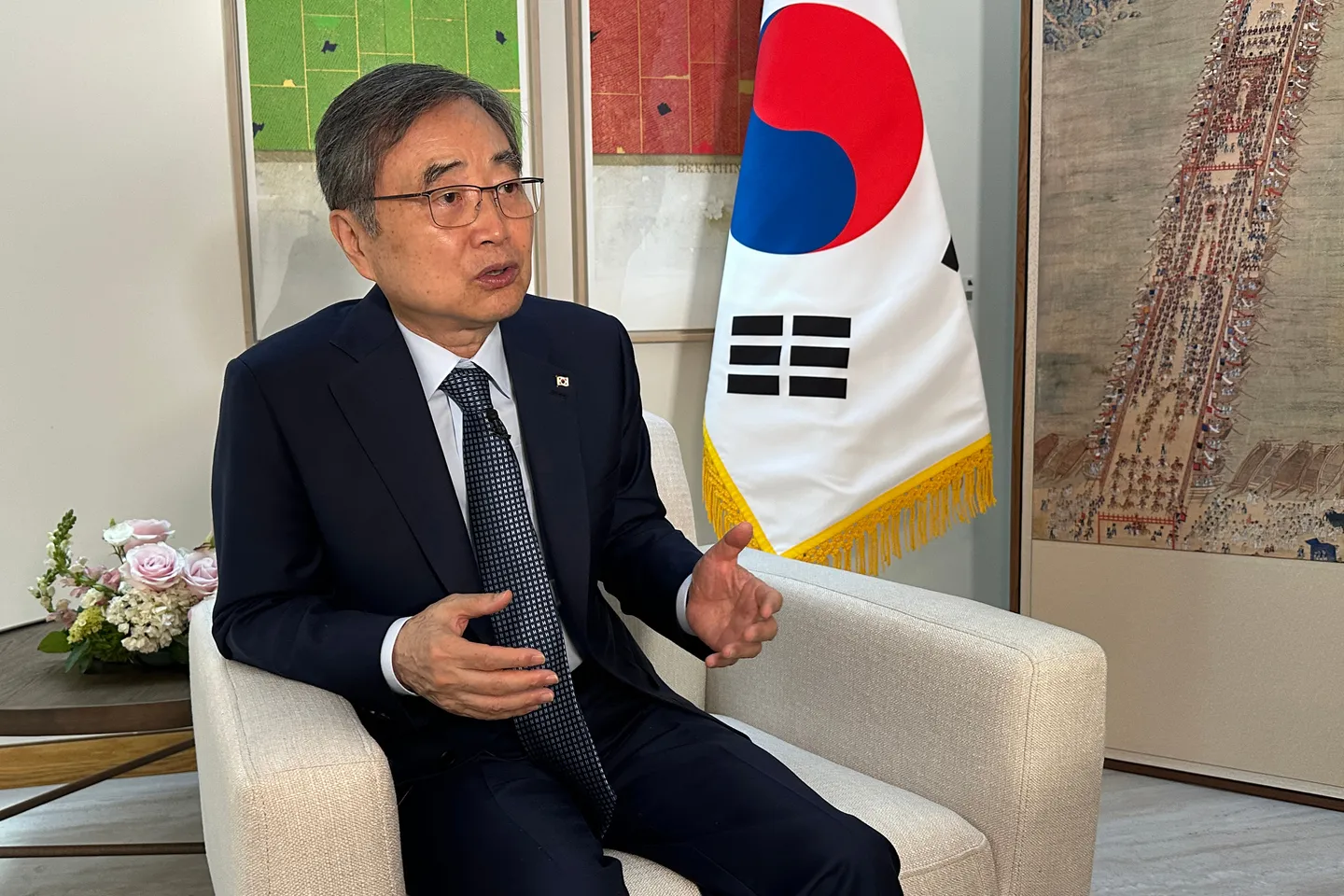
South Korea’s president has asked US President Donald Trump to become "a peacemaker" and use his leadership to draw North Korea back to talks to reduce military tensions on the Korean Peninsula, the country’s top diplomat said.
Trump "welcomed" the request from President Lee Jae-myung "and he expressed his willingness to be engaged with North Korea again," Foreign Minister Cho Hyun said in an interview with The Associated Press.
Trump and North Korean leader Kim Jong-un met three times during Trump’s previous term, including summits in Singapore in 2018 and Vietnam in 2019, but talks collapsed over disagreements on sanctions.
A brief encounter later that year at the inter-Korean border also failed to revive diplomacy, and Kim has since shunned talks with Washington and Seoul.
"It would be fantastic if they met with each other in the near future," Cho said.
He added that Lee told Trump he would not "sit in the driver’s seat" but asked him to act as a peacemaker, while Seoul would serve as a "pacemaker" to support the process.
Since returning to the office in January, Trump has expressed hope of restarting dialogue with Kim.
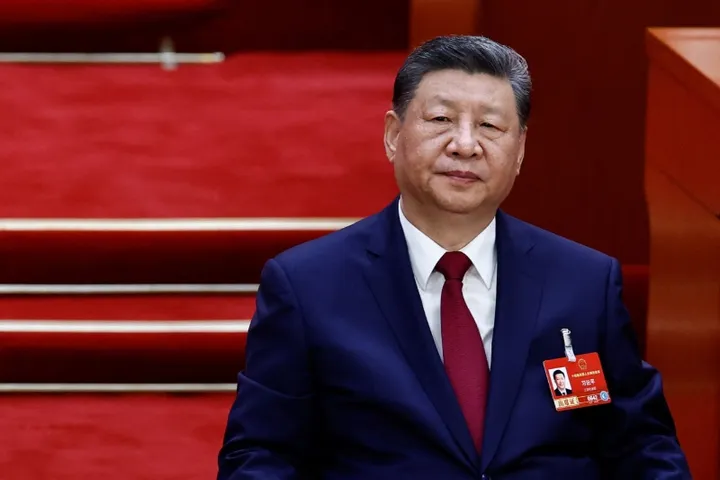
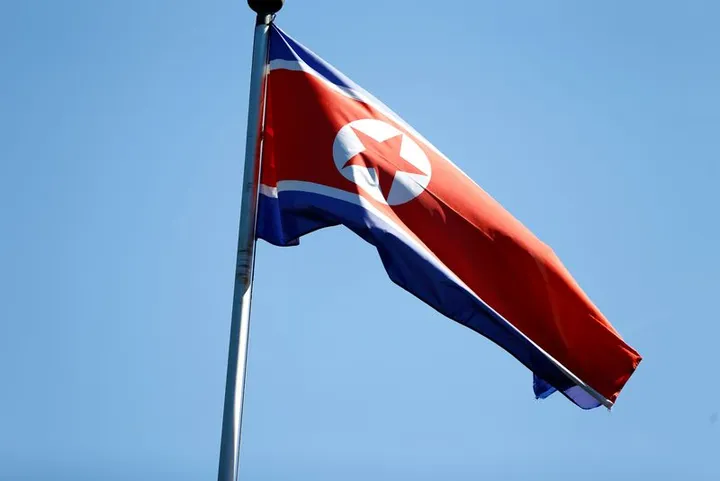
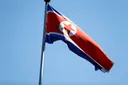


On Monday, Kim said he still has "good memories" of Trump but reiterated that Washington must drop its demand for denuclearisation as a precondition.
Speculation has grown that Trump could meet Kim during his visit to South Korea next month for the Asia-Pacific Economic Cooperation summit, where he is also expected to meet Chinese President Xi Jinping.
Cho said Lee urged Trump to take the lead because the world has become "much more precarious" since the Russia-Ukraine war.
"We are equally worried about any possible military skirmish on the Korean Peninsula," he said, stressing that "denuclearisation of the Korean Peninsula is the imperative; we cannot let it go."
Early Friday, South Korea’s military said it fired warning shots to drive away a North Korean merchant ship that briefly crossed the disputed western sea boundary.
"This incident justifies the policy of the new government that we need to have a hotline between the militaries, reduce the military tension and build confidence," Cho said.