Israel is confronting the aftermath of what US President Donald Trump dubbed as the “12-day war”, a conflict that concluded on June 23 in a shaky ceasefire amid reports of violations.
While the road ahead remains uncertain, those 12 days brought some of the most sustained and direct attacks on Israeli cities in decades.
Dozens of Iranian missiles broke through Israel’s Iron Dome and layered defense systems, resulting in deaths, injuries, and significant damage to critical infrastructure.
Casualties and civilian impact
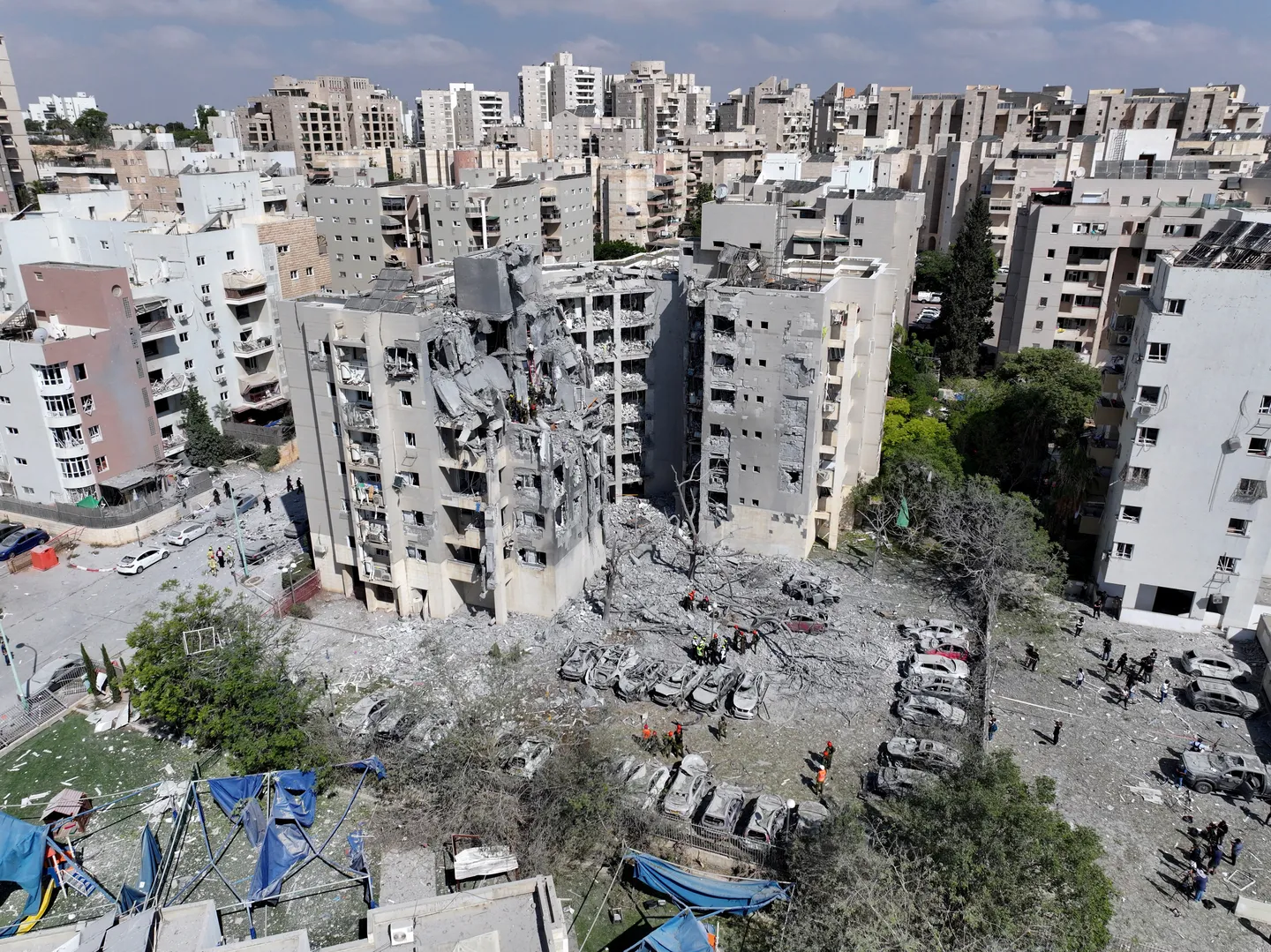
As of June 17, based on available reports, Israel had suffered at least 24 deaths, hundreds of injuries, and extensive damage to residential, medical, and scientific infrastructure, with major strikes hitting near Tel Aviv, Bat Yam, Beersheba, and Rehovot.
The actual toll may be higher, as Israeli authorities have withheld certain casualty and damage figures under military censorship.
On June 15, a missile struck Bat Yam, killing nine people, including three children. More than 200 others were injured, five of whom were Ukrainian nationals.
Hits to scientific infrastructure
On June 15, an Iranian missile struck the Weizmann Institute of Science in Rehovot, one of Israel's top scientific institutions. The blast destroyed laboratories, damaged specialised equipment, and reportedly wiped out years of academic research.
Although no fatalities were reported, at least 42 people were injured in the surrounding area.
Iran claimed it had been targeting nearby military sites, but Israeli officials condemned the strike as a deliberate attack on civilian knowledge infrastructure, a charge often directed at Israel.
Officials described the Weizmann strike as a blow not just to Israel, but to the global scientific community, given the institute’s partnerships and international projects.
Israeli media, on the other hand, reported that Israel killed 17 Iranian nuclear scientists since the start of hostilities on June 13.





Four days later, Soroka Hospital in Beersheba suffered a direct hit. Thirty-two people were injured, and emergency services were forced to reroute patients amid ongoing damage assessments.
Air defence systems not ironclad
Throughout the war, Israel’s air defence systems were heavily tested as a steady flow of Iranian missiles equipped with advanced navigation systems and manoeuvrable warheads broke through.
The Iron Dome air defence system, typically credited with over 90 percent effectiveness, saw its interception rate drop to 65 percent, according to a senior Israeli intelligence official speaking to NBC News on June 20.
While most threats were still intercepted, the breaches led to significant damage on the ground and renewed debate over the country’s reliance on layered air defence in future conflicts with peer or proxy adversaries.
Maimed sense of security
As confidence in Iron Dome began to erode, Israel’s population experienced an unprecedented sense of fear, panic, and instability.
Viral videos showed Israelis rushing to Ben Gurion Airport, trying to leave the country amid sirens and explosions.
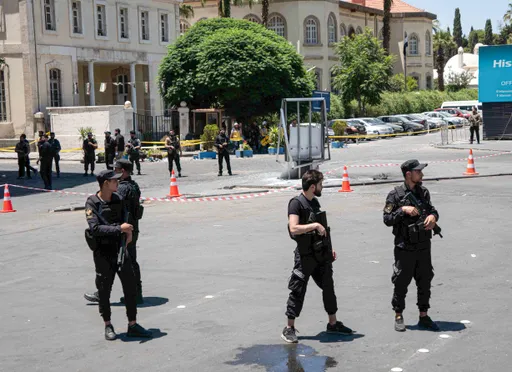
The Israeli authorities imposed real-time reporting restrictions on missile strike locations and delayed clearance for journalists covering damage on the ground, in a move widely seen as an attempt to shape public perception and prevent fears from spiraling into dissent.
Others slept in bomb shelters.
"Everything was just so unexpected. We knew when we came to Israel there was another conflict going on, but we never knew this was going to happen,” a US citizen told AP after fleeing Israel.