 Abhishek G Bhaya
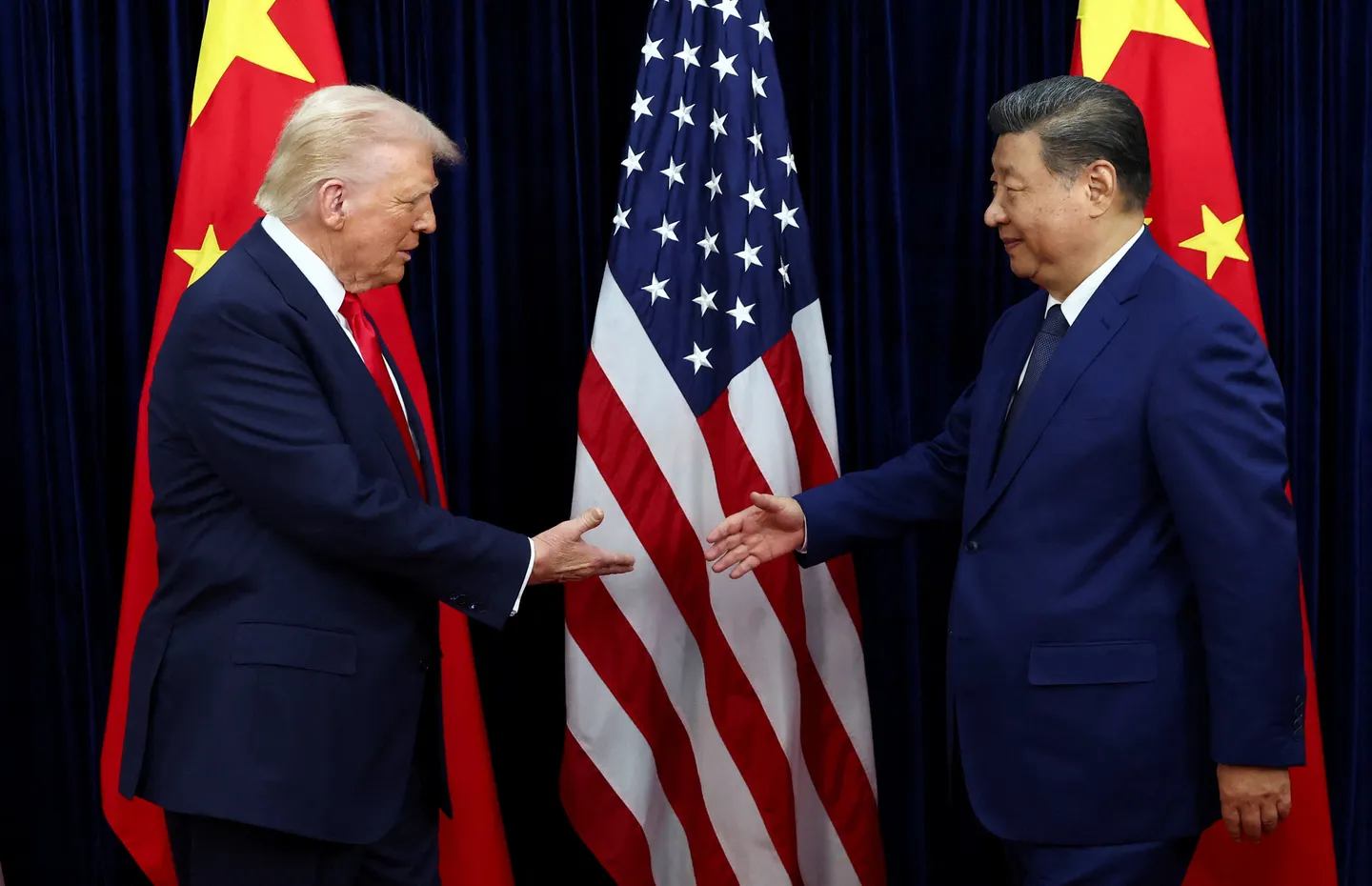
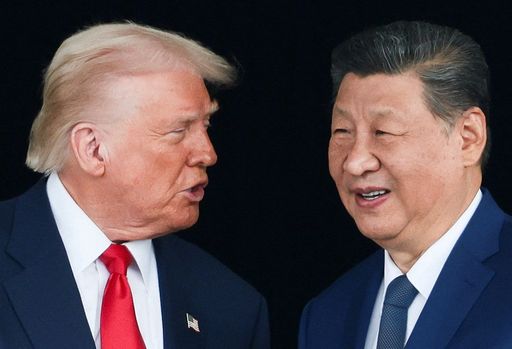
In a crucial phone call with US counterpart Donald Trump earlier this week, Chinese President Xi Jinping invoked the World War II alliance to frame US–China relations, emphasising a shared history in which both countries were Allies that emerged as victors over the Axis powers, including Japan.
This was probably the first time China’s top leadership has reframed relations with the US in the context of World War II, analysts say.
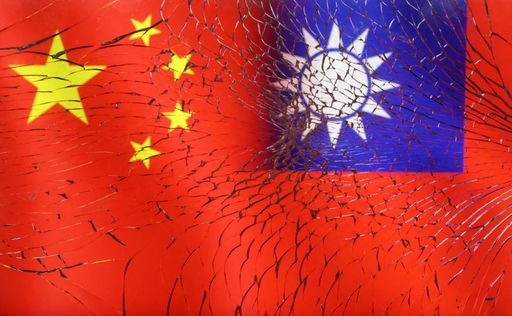
The Xi-Trump phone call came amid heightened tensions between Beijing and Tokyo. Earlier this month, Japanese Prime Minister Sanae Takaichi’s said in controversial remarks that her country could take military action in a potential Taiwan conflict. This angered Beijing and sparked one of the most intense diplomatic clashes between the two neighbours in years.
Following his call with the Chinese leader, President Trump reportedly spoke with Takaichi, urging her to soften her rhetoric on Taiwan.
According to officials briefed on the matter, Trump’s discussion with Takaichi came after Xi spent nearly half of the November 24 hour-long call convincing the US President that Taiwan's "return to China" is a key part of the post-World War II international order.
This unusual sequence of exchanges has raised concerns in Tokyo that Washington might be placing economic considerations above regional security tensions, according to analysts.
“The Xi–Trump call made the White House’s priorities clear… In practice, Washington is prioritising economic stabilisation with China while giving Japan the minimum reassurance needed to maintain confidence in the alliance,” Sylwia Monika Gorska, international relations analyst with a focus on East Asian geopolitics, told TRT World.
From post-Nixon to post-WWII
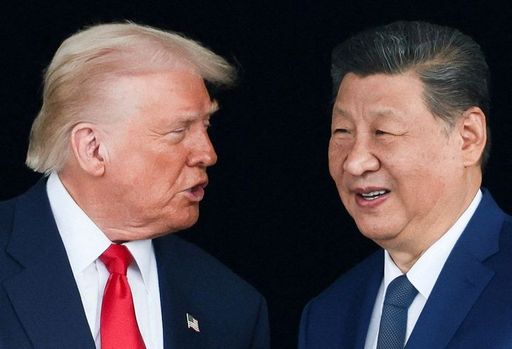
Analysts argue that Xi’s invocation of World War II history is meant not only to curb Japan’s ambitions in the Taiwan Strait but also to steer the China–US relationship toward a more ‘peer-based’ alignment and subtly reinterpret the US–Japan alliance through that historical lens.
The official Chinese readout of the Xi–Trump call used the expression “jointly safeguard the fruits of WWII victory” (“共同维护好二战胜利成果”), a phrasing previously employed mostly in the context of China–Russia relations.
China-based French entrepreneur and geopolitical analyst Arnaud Bertrand noted that this expression had never before been used in a US–China context, stating: “China was attempting the most significant reframing of US–China foundational narrative in 50 years.”
Bertrand explained that China’s use of the phrase signals a historic alignment with the US against Japanese revisionism.
“China is proposing to reposition the foundational narrative of US–China relations from post-Nixon framework to post-WWII responsibility, which would change the very nature of the relationship, from pragmatic accommodation between adversaries to historical allies with shared responsibility.”
In essence, the ‘post-Nixon framework’ refers to the diplomatic structure established after the 1972 China-US rapprochement, when Washington normalised ties with Beijing and recalibrated its Asia strategy. On the other hand, the ‘post-1945 responsibility’ points to the expectation that major World War II victors—particularly the US and China—would uphold the regional order shaped in the war’s aftermath.
Jian Gao, professor at Shanghai International Studies University, emphasised the strategic rationale. “Japan was a defeated nation in World War II. The remarks made by Japan’s current government regarding the 'potential military intervention in the Taiwan issue' seriously violate the fundamental norms of post-war international relations and constitute a blatant provocation against the Potsdam Declaration and the UN Charter,” he told TRT World.
The Potsdam Declaration set the terms of Japan’s surrender and the limits of its post-war military posture, while the UN Charter established the principles prohibiting the use of force to alter territorial status—both central pillars of the international order Japan agreed to after 1945.
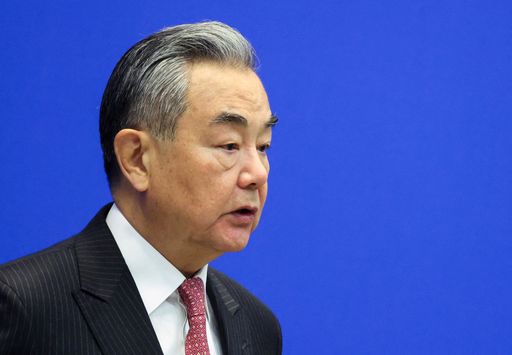
Japan, however, maintains that Takaichi’s comments on Taiwan reflect security concerns, not attempts to challenge the post-war order. Responding to an opposition lawmaker's question regarding the premier's November 7 remarks on Taiwan, the Japanese government Tuesday said in a written reply that the Takaichi administration "totally maintains this government position and does not believe any review or reconsideration is necessary ... on what constitutes a survival-threatening situation" for Japan.
Tokyo argues that stability in the Taiwan Strait is essential for Japan’s own safety and for regional trade routes, and stresses that its stance remains consistent with its “One China” policy and constitutional commitments to pacifism. Officials insist their posture is purely defensive in light of what they view as increasing pressure from Beijing.
Kenny Lim, a Singapore-based political commentator who styles himself “the China Whisperer,” argued that to understand China’s current concerns about Japan, one must recall the Enemy State Clauses in the UN Charter—Articles 53, 77, and 107.
Lim explained that these clauses, still technically in force, allow Allied powers to take action, even militarily and without UN Security Council approval, if former World War II aggressor states like Japan, Germany or Italy show signs of renewed militarism.
“Many forget that the five UN Security Council permanent members – China, the US, the UK, Russia (formerly the Soviet Union) and France – were the nations recognised as having borne the heaviest military, human, and strategic burdens in stopping the Axis powers,” he said.
“They were the anchors that held the post-war security structure together. They absorbed the greatest sacrifices and fought on the largest fronts. They held decisive geopolitical responsibility. China and the Soviet Union, in particular, paid in blood at a level unmatched by anyone else,” Lim remarked.
On her part, Gorska, the East Asian geopolitical expert, says that Beijing’s wartime framing is largely rhetorical. “China deploys it to present itself as the defender of the post-war order and to cast Japan as an actor whose intentions merit heightened scrutiny. The aim is narrative leverage, not a shift in US policy.”

Trump’s priorities: Politics, deals over allies
Meanwhile, Trump’s public remarks following the call focused largely on trade and agricultural deals, omitting Taiwan and Japan, which analysts argue underscores a mismatch between the gravity of Xi’s historical reframing and the US response.
Bertrand highlighted this disconnect: “While China was attempting the most significant reframing of US–China foundational narrative in 50 years, Trump came away thinking the highlight was agricultural trade.”
John Kavulich, American political analyst and president of the US-Cuba Trade and Economic Council, said that Trump may not have fully grasped the significance of Xi’s World War II reference, as historical alliances may seem distant and abstract to him.
For Trump, any WWII alliance with China occurred “during another century, many US presidents ago, long before China had become the world’s second-largest economy and a major disruptor in global markets, with a formidable presence in contested maritime regions,” he noted.
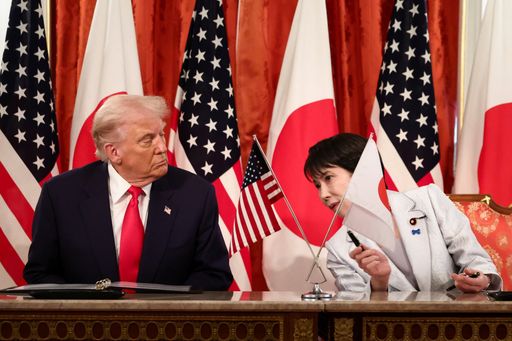
Kavulich added that Washington is focused on managing immediate diplomatic priorities. “The Trump-Vance administration is straddling politically a balance of what President Trump most wants today — President Xi inviting him to visit China, which is confirmed for April 2026, and President Xi visiting the United States later in 2026. Every decision henceforward will be to ensure those visits are not derailed,” he told TRT World.
He further emphasised that Washington is signalling caution regarding US military involvement in Taiwan. “The United States government will not deploy members of the US armed forces to place themselves between the armed forces of China and the armed forces of Taiwan,” said Kavulich.
Analysts acknowledged that with the US mid-term elections approaching next year, domestic politics will continue to heavily influence Trump’s approach to the ongoing China–Japan tensions over Taiwan.
Gorska added that the US president has consistently framed China policy in economic terms – agricultural purchases, supply-chain reliability, and market stabilisation – aligning closely with his electoral priorities.
“Publicly backing Takaichi’s sharper framing risks entrapment in a Taiwan-related crisis, something the White House has no appetite for during an election-adjacent period,” she noted.
Japan’s “ghost of WWII”
Japan is anxious about being abandoned by its most significant ally as the US retrenches in the Asia-Pacific, and that Takaichi’s rhetoric is designed to tether American strategic interests to Japan’s own ambitions, said Gao.
He noted that Japan’s current government is keen to bind US national interests with Tokyo’s own broader geopolitical goals. “To this end, they do not hesitate to sacrifice the political stability and economic development of the Asia-Pacific region,” he said.
Japan, however, disputes claims that it is fuelling tensions or manipulating US interests. Tokyo says closer alignment with Washington is necessary to deter growing regional threats and safeguard the rules-based order. Japanese officials argue that their approach aims to maintain stability and prevent any unilateral change to the status quo, rather than undermine Asia-Pacific peace or economic development.
Gorska noted that Japan has long been uneasy whenever Beijing invokes WWII framing amid active political disputes.
She pointed to past episodes, such as the 2010 Senkaku/Diaoyu Islands boat collision and the 2014–2015 UN and UNESCO debates over Japanese security legislation, as moments when Beijing’s wartime messaging appeared intended to constrain Japan diplomatically.
The invocation of WWII history places Japan somewhat on the back foot, analysts say, as Beijing can cast Tokyo’s actions in Taiwan-related disputes as a revival of past militarism. This historical framing amplifies diplomatic pressure on Japan, forcing Tokyo to respond cautiously.
“Viewed against this history, Xi’s decision to reference wartime cooperation at a moment when Trump remained silent on Taiwan or Chinese coercion sharpens the asymmetry. Tokyo does not believe Washington accepts China’s framing, but US silence gives Beijing more room to project it,” Gorska argued.
She said that while the “ghost of WWII” does not directly influence US strategy, it significantly shapes how Japan interprets the diplomatic environment, especially during periods of “heightened Chinese coercion.”