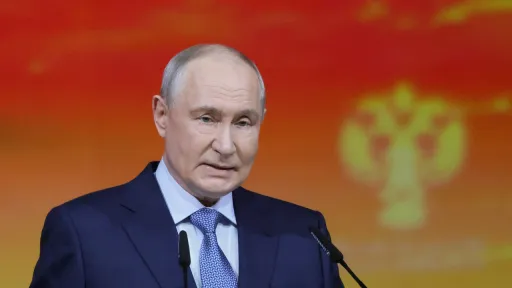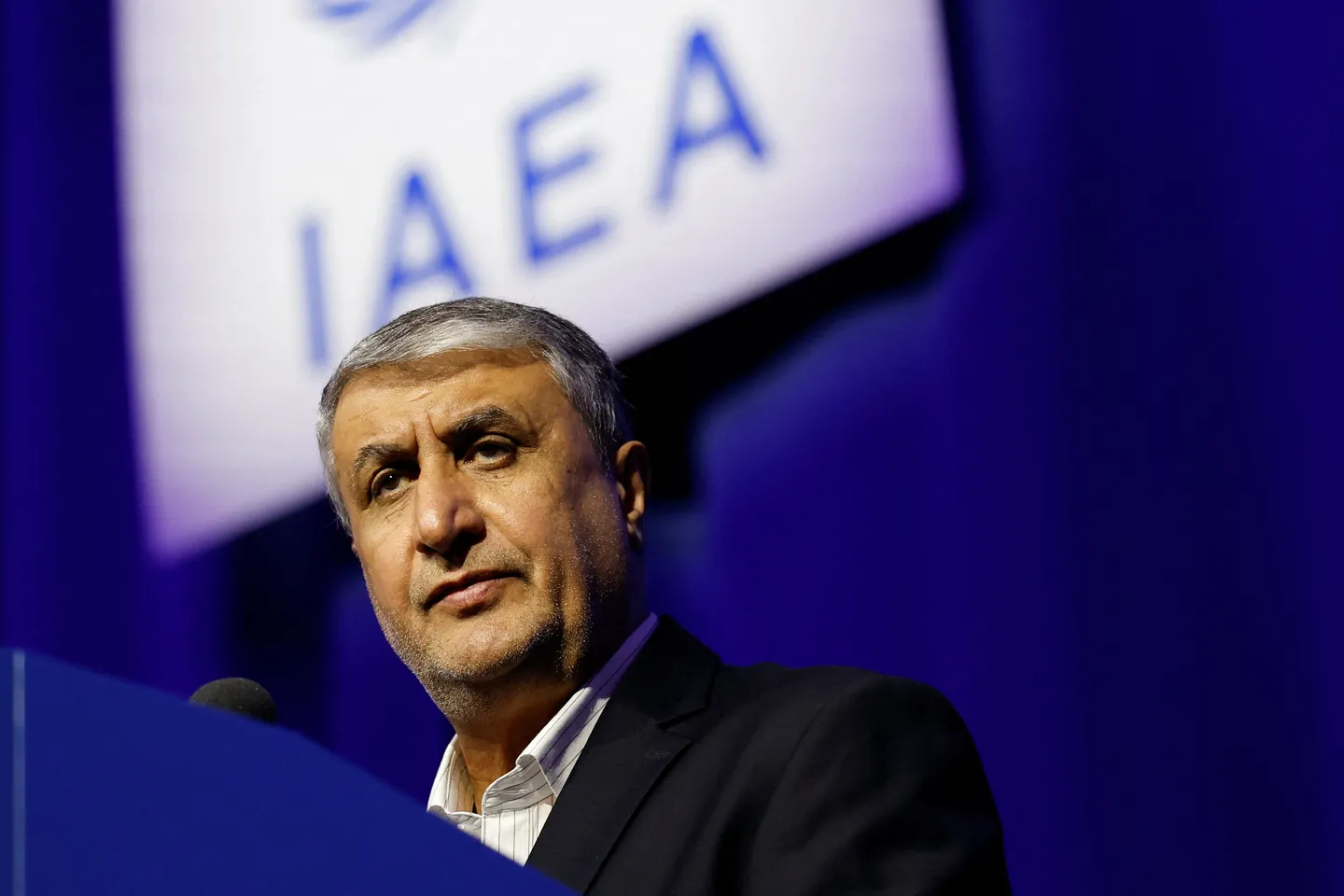
The head of Iran's atomic energy organisation, Mohammad Eslami, has arrived in Moscow for talks, Russia's state-run RIA news agency quoted the Iranian embassy as saying on Monday.
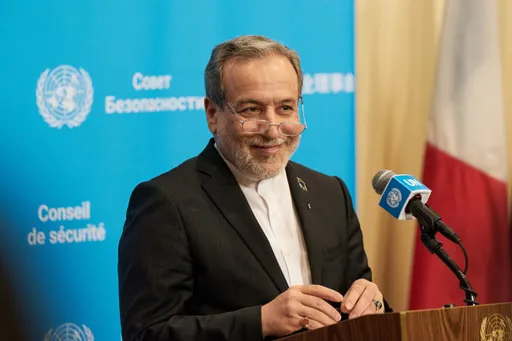
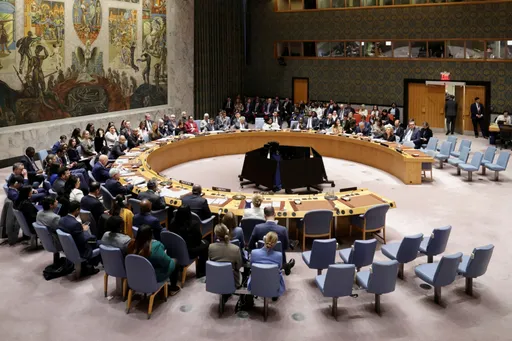
The 15-member UN Security Council earlier opted not to permanently lift sanctions on Tehran, after three European countries launched a 30-day process last month to reimpose them, accusing Tehran of failing to abide by a 2015 deal with world powers aimed at preventing it from developing a nuclear weapon.
Iran denies having any such intention, and Russia says it supports Tehran's right to peaceful nuclear energy.
Eslami is also Iran's vice president. RIA did not say whom he would meet in Moscow.
Iran to halt cooperation with IAEA
Earlier on Saturday, Iran’s Supreme National Security Council said it will suspend cooperation with the International Atomic Energy Agency (IAEA) after the UN Security Council voted against permanently lifting sanctions on Tehran.
In a statement carried by state-run Press TV, Iran’s top security body condemned what it called “ill-considered” moves by Britain, France, and Germany – known as the E3 – regarding Iran’s nuclear programme, which Tehran insists is peaceful.
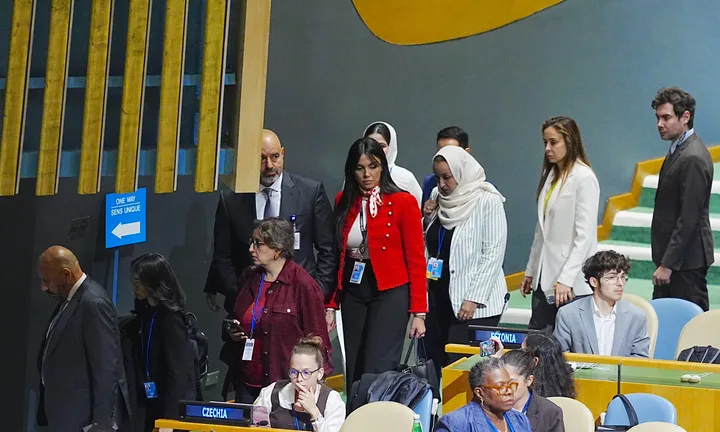
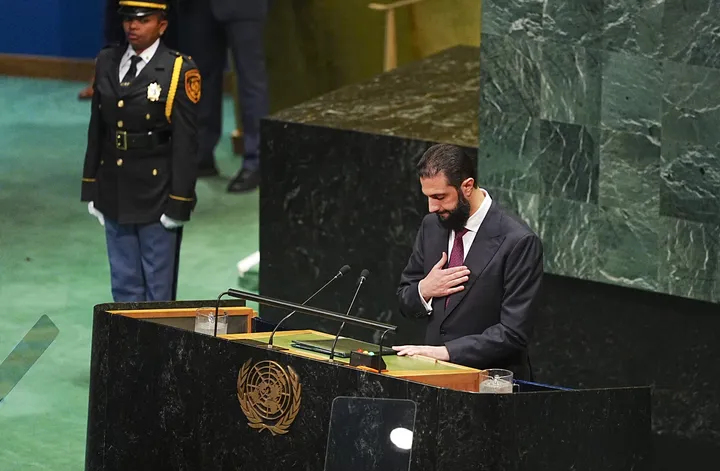
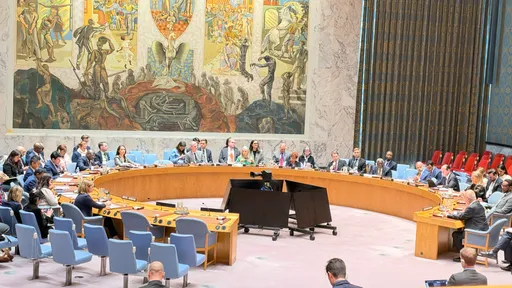
On Friday, the UN Security Council failed to adopt a draft resolution aimed at preventing the “snapback” of sanctions on Iran that were lifted under the 2015 Joint Comprehensive Plan of Action (JCPOA).
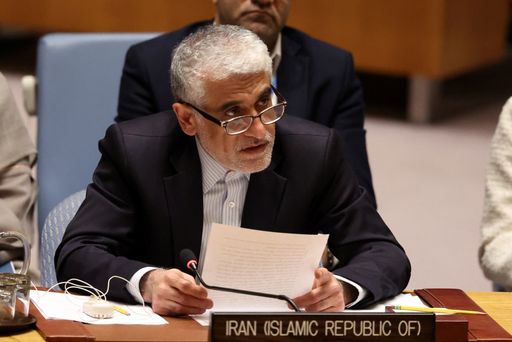
The draft resolution, submitted by South Korea in its capacity as the council president this month, sought to maintain sanctions relief by deciding that provisions from earlier council sanctions resolutions "remain terminated."
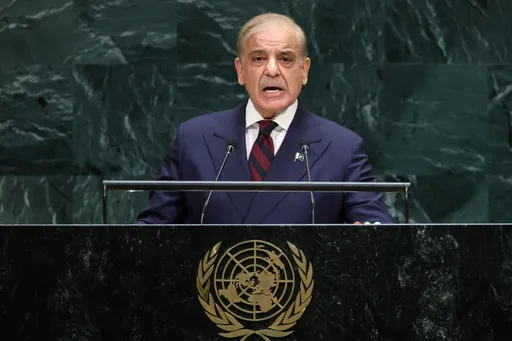
It failed to secure the required nine votes for adoption, with Russia, China, Pakistan, and Algeria voting in favour, while Guyana and South Korea abstained. Nine members of the council, namely the UK, France, Denmark, Slovenia, Sierra Leone, Panama, the US, Greece, and Somalia, voted against.
The UK, France, and Germany, known as the E3, are signatories to the 2015 nuclear agreement, which placed limits on Iran's nuclear activities.
Under the pact, endorsed by the UN Security Council, Iran agreed to limit its uranium enrichment and allow international inspectors to verify that its nuclear program served only peaceful purposes.
On August 28, the E3 countries triggered the "snapback" mechanism under UN Security Council Resolution 2231, which will restore sanctions in 30 days if Iran fails to meet its obligations.