Ali Topchi
Turkish Republic of Northern Cyprus (TRNC) has blasted the UN Security Council (UNSC) for extending the international peacekeeping mission on the long-divided island for six more months, calling it a "violation of UN rules."
In a statement by the Prime Ministry of the region on Thursday, TRNC called the UN decision a "violation of the UN's own principles and rules" because the international body failed to obtain the consent of the Turkish Cypriots.
"Ignoring the guiding principle of seeking the consent of all parties, which is the fundamental basis of peace operations, by the UN itself, deeply discredits the UN and makes its existence in our country questioned," the statement added.
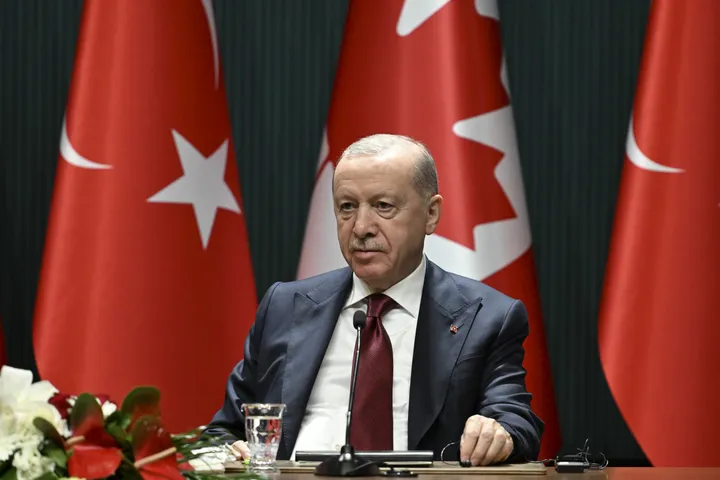
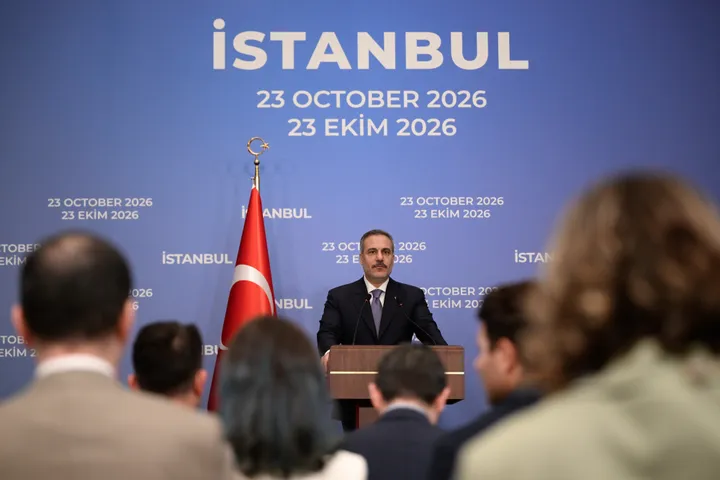
Turkiye also called the UN decision "contrary" to the world body's rules.
"Despite all calls and warnings, the consent of the TRNC authorities was not sought once again, contrary to the UN rules and principles," Turkiye's Foreign Ministry said in a statement.
On Thursday, the 15-member UNSC unanimously extended the mandate for a peacekeeping force in divided Cyprus. United Nations Peacekeeping Force in Cyprus (UNFICYP) has been on the island since 1964 and its mandate has been extended every six months.
Reiterating Turkiye's support to the TRNC resolution, Ankara said "while a legal arrangement has been persistently avoided, however, UNFICYP could continue its activities on the Island within the framework of the bonafide approach of the TRNC authorities," referring to the peacekeepers.
"It is disconnected from reality and also contradictory on the side of the UN Security Council, on one side calling on the parties on the Island to reach a settlement, and on the other side, trying to impose a settlement model that has been tried and exhausted for more than fifty years, proven ineffective and does not reflect the consent of one side," the statement added.
READ MORE:Informal Cyprus talks end with ‘no common ground’
'Double standard'
Turkiye said the UNSC's criticism of the TRNC's steps on Maras is a "violation of property rights."
Ankara called the UNSC's disregard of the unilateral steps taken by the Greek Cypriot Administration in the Eastern Mediterranean –- which are increasing the tensions and ignoring the rights of the Turkish Cypriots –– "is again an example of a double standard."


The controversial UNSC resolution noted "with regret" a lack of progress between the island's two sides "towards restarting formal negotiations at this time", adding "the status quo is unsustainable."
The resolution added that the Greek Cypriots "agreed that in view of the prevailing conditions on the island," it is necessary to keep the UNFICYP beyond January 31, 2022.
The Security Council, noting the UN's position that a "just settlement" should be based on "a bicommunal, bizonal federation with political equality," asked UN chief Antonio Guterres to submit a report by July 5 "on progress towards reaching a consensus starting point for meaningful results-oriented negotiations leading to a settlement."
READ MORE: Why global recognition of Turkish Cypriot state can address Cyprus issue
Divided Cyprus
Cyprus has been mired in a decades-long dispute between Greek and Turkish Cypriots, despite a series of diplomatic efforts by the UN to achieve a comprehensive settlement.
Ethnic attacks starting in the early 1960s forced Turkish Cypriots to withdraw into enclaves for their safety.
In 1974, a Greek Cypriot coup aiming at Greece's annexation led to Turkiye's military intervention as a guarantor power to protect Turkish Cypriots from persecution and violence.
TRNC was founded in 1983.
Since then it has seen an on-and-off peace process, including a failed 2017 initiative in Switzerland under the auspices of guarantor countries Turkiye, Greece and the UK.
The Greek Cypriot Administration entered the European Union in 2004, the same year that Greek Cypriots scuttled a UN plan to end the decades-long dispute.
READ MORE: 'Bloody Christmas' in Cyprus continues to haunt people 58 years on