Abdulaziz Ahmet YASAR
There are different political rivalries in the Middle East. The Iran-Saudi Arabia struggle for influence is perhaps the best-known.
Each of these adversaries have their own military coalitions with whom they operate in different fields.
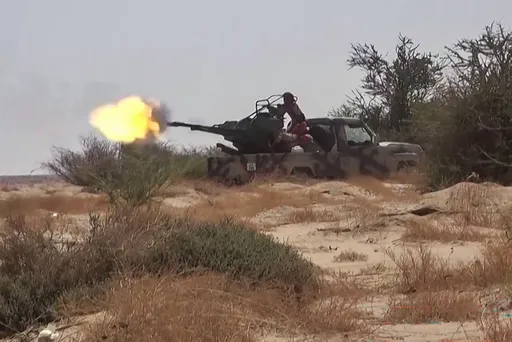
Since 2015, Iran has supported the Houthi rebels against the Saudi-backed government in Yemen, triggering a bloody conflict which has caused thousands of deaths, mostly civilians.
After four years, the cracks in the Saudi-led coalition have finally appeared with Morocco ‘freezing’ its involvement in the war.
What brought the two countries together?
A common interest to stand firm against Iran is what strengthened Saudi-Moroccan relations. However, their ties are mainly based on mutual animosity with Tehran.
Morocco until recently participated in the Saudi-led coalition with six planes and 1,500 ground troops.
Saudi Arabia still - officially - stands with Morocco on the Western Sahara dispute in the Arab League.
And both states have ongoing projects in Western Sahara, financed by Saudi Arabia and operated by Morocco - which serves to reaffirm the sovereignty of Rabat in the disputed territory.
Another issue which brings the two countries together is the fact they are among the few states in the MENA region ruled by families, the Alaouites and Al-Sauds respectively. Further, they are both members of the Arab League.
My enemy’s enemy is my friend
The main reason for a common stance against Iran is to counter the Islamic Republic’s attempts to have more influence in the Middle East.
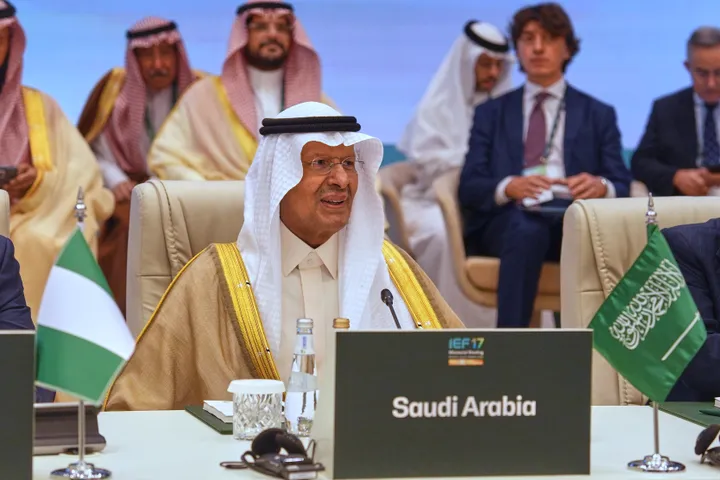
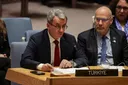
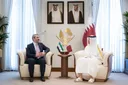
Morocco severed ties with Iran in March 2009, accusing the Shia majority country of ‘spreading’ its own religious ideologies in Morocco and therefore interfering in its domestic affairs, a claim then Iranian ambassador to Rabat rejected.
Despite the fact administrations for both states were speaking about re-establishing diplomatic ties in March 2014, four years later the Moroccan minister for foreign affairs spoke out to cut relations due to allegedly financial and logistical support by Iran to the Polisario Front.
The Polisario is the main secessionist group aiming to establish a sovereign Western Saharan state, independent from Rabat, and controls several parts of the West African territory.
Tense ties could result in a more isolated Saudi Arabia
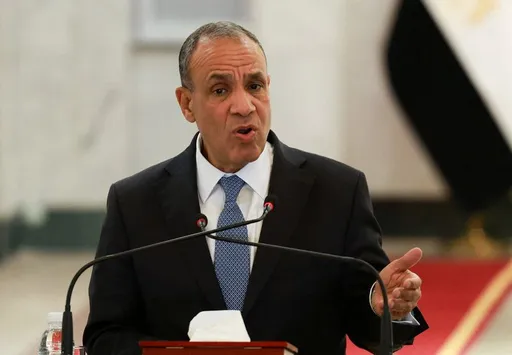
Relations became tense one month ago after the Moroccan Minister of Foreign Affairs Nasser Bourita gave an Al Jazeera interview in which he said that Morocco’s military participation will “change in the form and the content… on the basis of [new] developments [in Yemen]”.
After the minister’s interview had been broadcast, the Saudi TV channel Al Arabiya aired a documentary named The territorial integrity of the Kingdom of Morocco, on the topic of Western Sahara, which implied that Morocco had invaded the land after Spanish colonisation ended in 1975.
As a reaction to this, Morocco recalled its ambassador to Riyadh, indicating it was for a ‘consultation’.
Amidst this hostility, Saudi Arabia voted against Morocco in its bid to host the 2026 football world cup.
Even if the ambassador describes the present situation as “cloudy” and thinks that “things will soon return to normal”, the Moroccon political analyst Manar al Salimi thinks differently.
He said: “I do not think tensions will go away, but rather expect Moroccan-Saudi relations will not return to what its previous historical strength.
“I believe that the biggest loser from all this tension is Saudi Arabia...There is difficult international lesson Saudi Arabia is undergoing... increasing its isolation [in the international community]”. It is obvious that the Saudi administration needs international allies, especially after a UN-led inquiry recentlyannounced that evidence in the killing of journalist Jamal Khashoggi points to a brutal crime “planned and perpetrated” by Saudi officials.