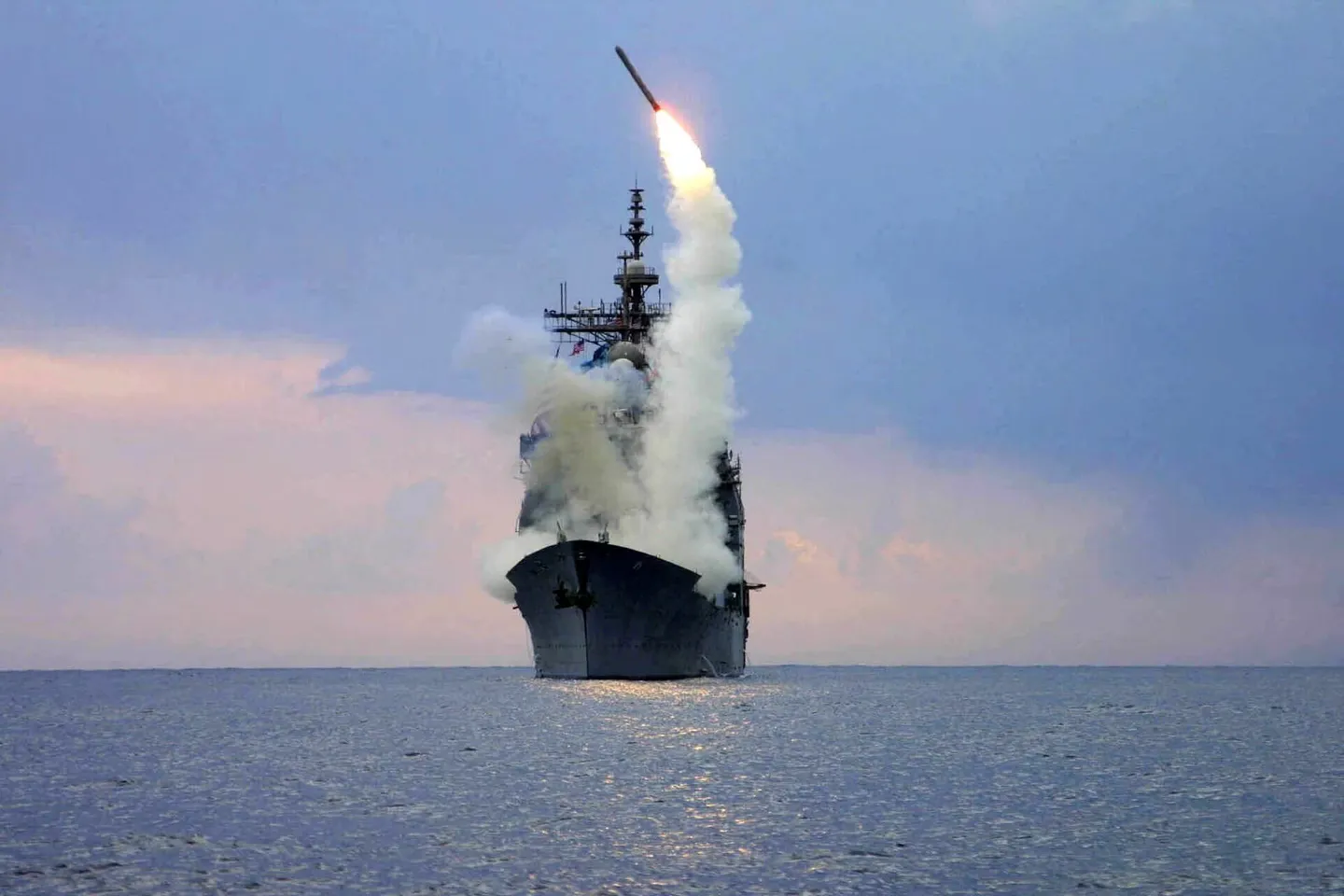
Russia would shoot down Tomahawk cruise missiles and strike any launch sites used to fire them if the United States supplies the weapons to Ukraine, a senior Russian lawmaker warned on Wednesday, escalating rhetoric as Washington weighs Kiev’s request.
Andrei Kartapolov, head of the Russian parliament’s defence committee and a former deputy defence minister, told state news agency RIA that Moscow’s response would be “tough, ambiguous, measured, and asymmetrical.”
“We will find ways to hurt those who cause us trouble,” he said, forecasting strikes on operators and launch infrastructure rather than direct attacks on US soil.
Kartapolov argued that the missiles — long-range, sea- and land-launched weapons capable of striking deep behind front lines — would not decisively alter the battlefield even if supplied, because any deliveries would be limited.
“They could only be given in small numbers — in tens rather than hundreds,” he said.
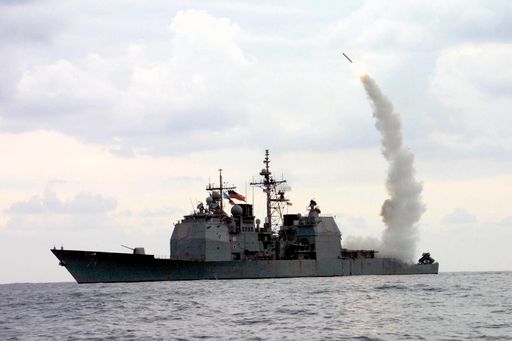
“Intercepting Tomahawks poses no novelty for Moscow”
Kartapolov said that Russian air defences were familiar with the Tomahawk’s flight profile from previous operations, including in Syria, and that intercepting them posed no novelty for Moscow.
“If Ukraine were to prepare launch sites, we would detect them and use drones and missiles to destroy any launchers,” Kartapolov said, adding that Moscow had seen no signs so far of Ukrainian preparations that would hide such capabilities.
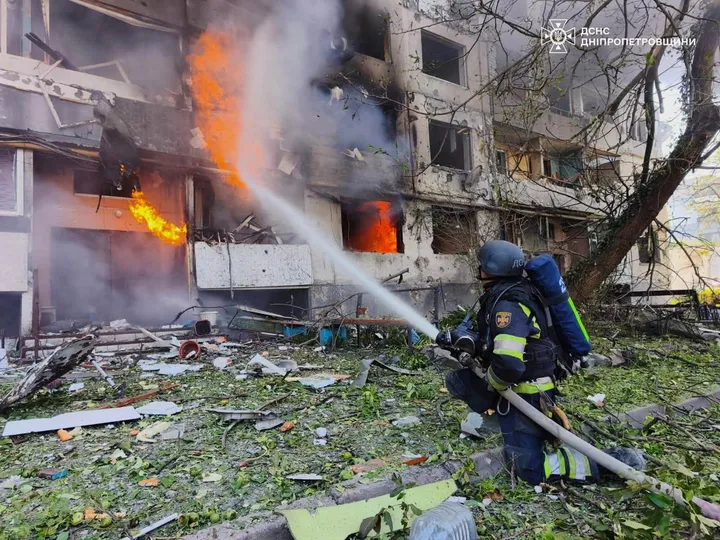
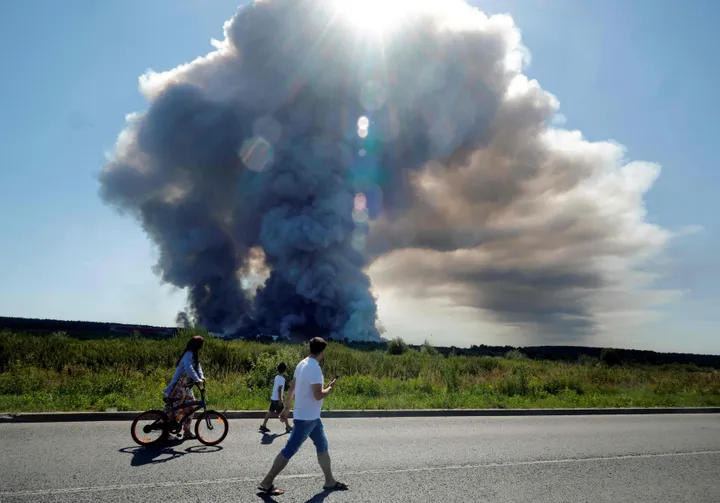
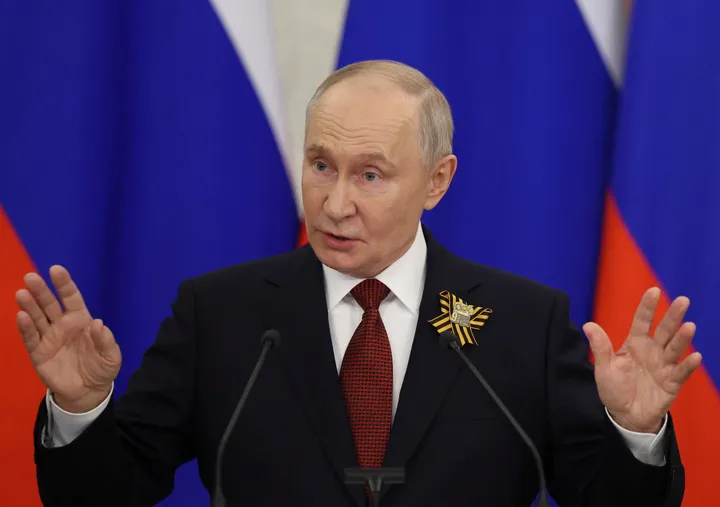



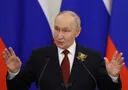

The comments come as US President Donald Trump has publicly signalled caution. Speaking on Monday, Trump said he wanted to know how Ukraine would use Tomahawks before agreeing to provide them because he did not want to escalate the war with Russia, while also suggesting he had “sort of made a decision” on the matter.
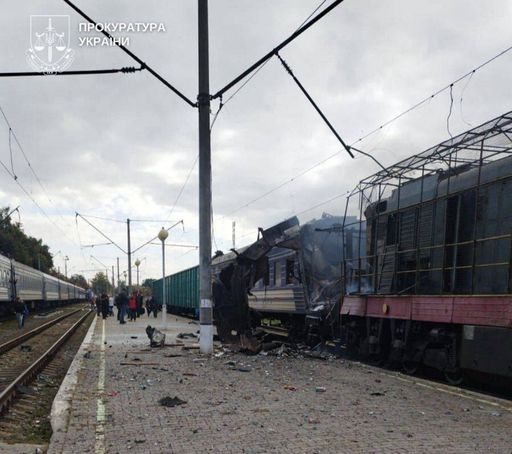
“Qualitative change in the conflict”
Russian Deputy Foreign Minister Sergei Ryabkov separately urged Washington to assess the issue “soberly,” calling any transfer of Tomahawks a potentially serious and escalatory step that could produce a “qualitative” change in the conflict.
Kartapolov’s threats underscore the potential for rapid escalation if the weapons are transferred.
US officials have so far framed any decision as contingent on operational safeguards and close coordination with partners.
Kiev and its allies argue that long-range precision weapons can help defend populated areas and disrupt supply lines; Moscow sees them as a direct threat to its strategic depth and critical infrastructure.
At this stage, no formal public decision has been announced on the transfer of Tomahawk missiles to Ukraine. The question is likely to re-emerge in the coming days as US consultations with NATO allies and Ukrainian authorities continue.