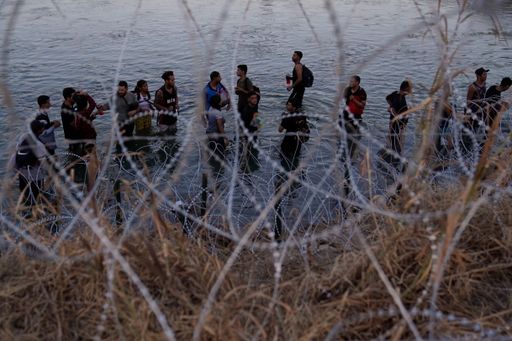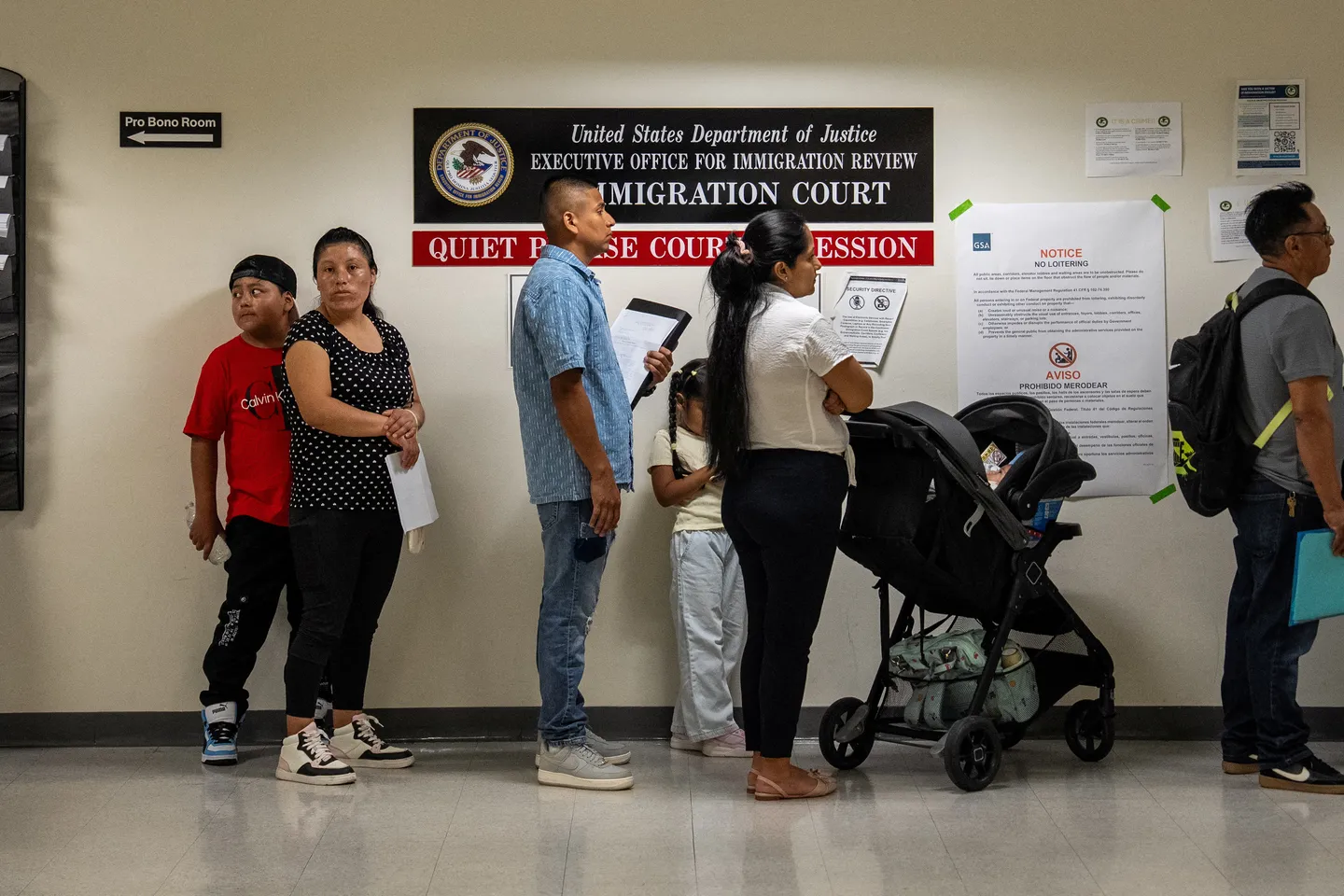
The Trump administration is preparing to set a refugee admissions ceiling at 7,500 people for fiscal year 2026, sources familiar with the matter have said.
The planned limit is a dramatic reduction from the 125,000 refugees admitted under former President Joe Biden last year.
The policy prioritises white South Africans of Afrikaner ethnicity, citing alleged racial discrimination and violence, a claim rejected by South Africa’s government.
Since May, the first 59 Afrikaner refugees have arrived, with the total reaching 138 by early September, according to Reuters reporting.
Trump froze refugee admissions after returning to office in January 2025, stating that resumption would occur only if it aligned with US national interests.
John Slocum, executive director of Refugee Council USA, criticised the low limit, saying it would endanger lives, separate families, and harm security and growth.
The administration had considered higher admissions of 40,000 to 60,000 refugees before settling on the proposed 7,500-person ceiling.
At the United Nations General Assembly, Trump officials urged other nations to join a global effort to reduce asylum protections, challenging long-standing humanitarian frameworks.
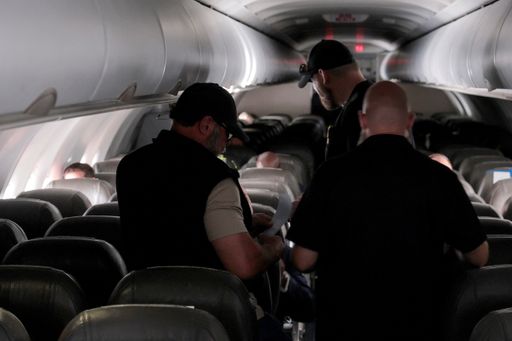
DHS pays minors to leave US voluntarily







The Trump administration is also offering unaccompanied migrant children $2,500 to voluntarily return home, starting with 17-year-olds, according to a DHS letter.
Minors from Mexico are not eligible for the program, but children who had already volunteered to leave the US as of Friday would be covered, the letter says.
Wendy Young of Kids in Need of Defense condemned the move as coercive, undermining legal protections for children seeking safety in the United States.
"Unaccompanied children seeking safety in the United States deserve our protection rather than being coerced into agreeing to return back to the very conditions that placed their lives and safety at risk," Young said in a statement.
More than 2,100 unaccompanied children remain in federal custody, with payments issued only after immigration judges approve voluntary returns.
Separately, the US Supreme Court allowed the administration to end Temporary Protected Status for up to 600,000 Venezuelans, potentially triggering deportations.
Lower courts had blocked the termination, citing procedural failures, but the Supreme Court’s conservative majority sided with the administration, overruling prior rulings.
TPS protections, established in 1990, allow immigrants from crisis-affected countries to remain legally in the United States, with Venezuelan protections set to expire in October 2026.