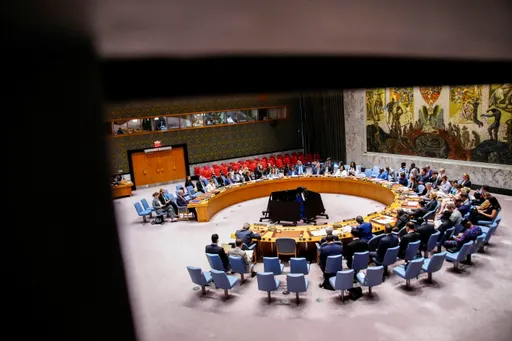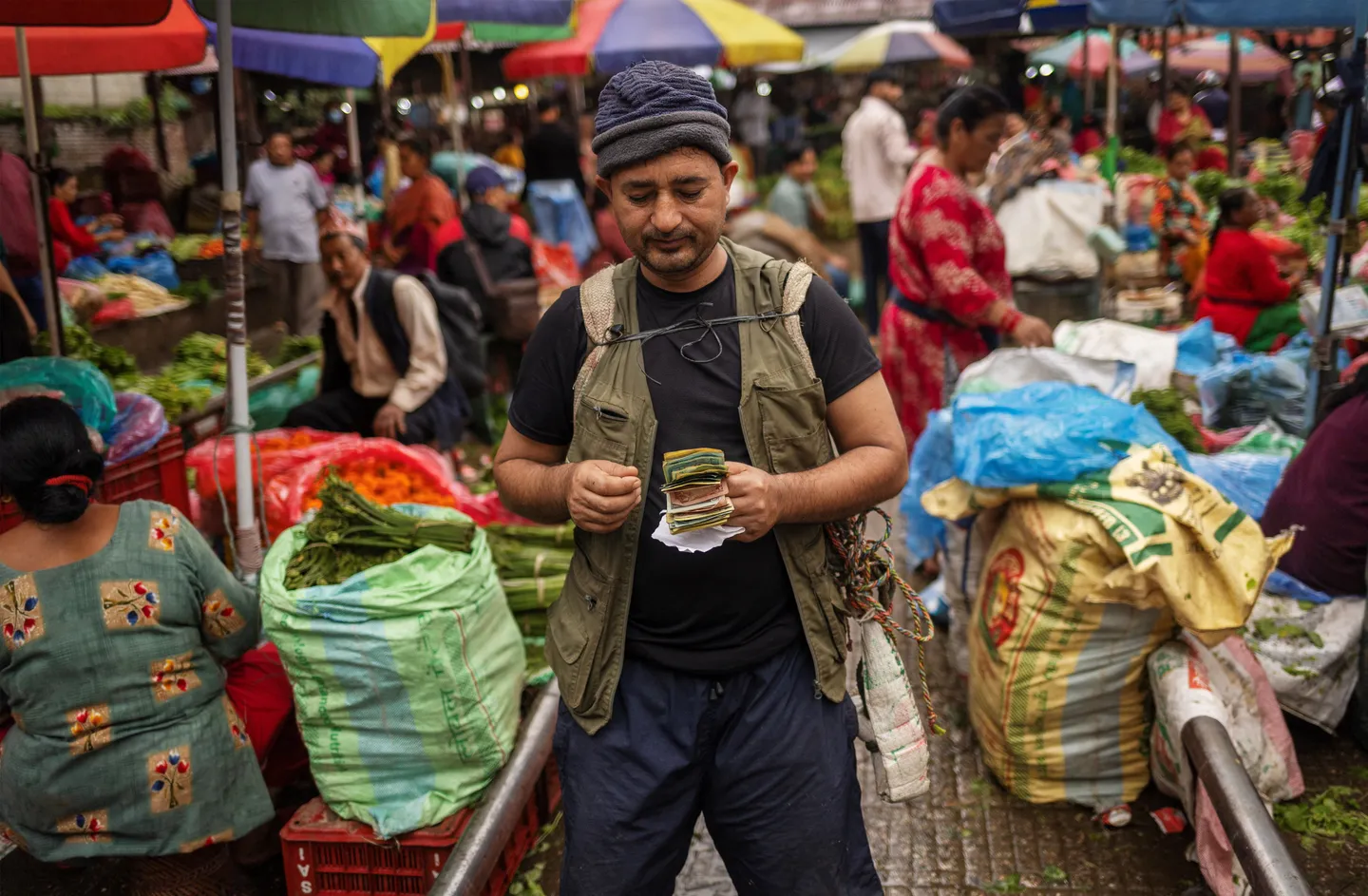
Nepal's interim government, led by newly-elected Prime Minister Sushila Karki, has introduced a series of austerity measures aimed at curbing excessive public spending and addressing fiscal mismanagement.
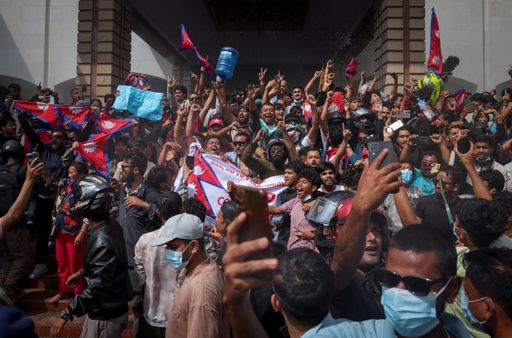
These reforms come in the wake of widespread protests, primarily led by Gen Z activists, who demanded action against corruption and unemployment.
The protests, which resulted in significant casualties and property damage, have prompted the government to take decisive steps to restore public trust and ensure efficient use of taxpayer money.
Here are some of the key austerity measures.
Nepal’s Ministry of Finance has implemented a policy to lock budgets for new, small-scale, or redundant projects that do not align with national priorities, according to the Kathmandu Post.
This measure aims to prevent unnecessary duplication and misallocation of funds.
Consumer committees are now prohibited from implementing projects exceeding NPR 1 million.
Regular meeting allowances for officials and employees of public bodies during routine duties have been discontinued.
However, allowances will still be provided for meetings held outside of office hours for legally established committees.
Officials residing in private residences owned by themselves or their families are no longer eligible to receive accommodation allowances.
The rules extend to Nepal’s diplomatic representatives abroad.
The government has imposed stricter controls on the use of consulting services, reported Rising Nepal Daily.
Funds allocated for tasks that can be performed by existing staff will not be used to hire external consultants.
Consulting services will be limited to capital research and consulting services, not for drafting bills, rules, regulations, guidelines, and similar tasks.
Further, according to the Cabinet-endorsed measures, hiring has been frozen across all levels of government, federal, provincial, and local, except for essential technical positions.
In addition, all temporary staff have been let go as part of the interim government's cost-cutting measures, the Kathmandu Post reported.
To further reduce expenditures, the government has capped the number of officials in the secretariats of both federal and provincial governments at three.
Delegations attending international conferences have also been restricted to a maximum of 10 members, with only three allowed if the expenses are covered by the government.
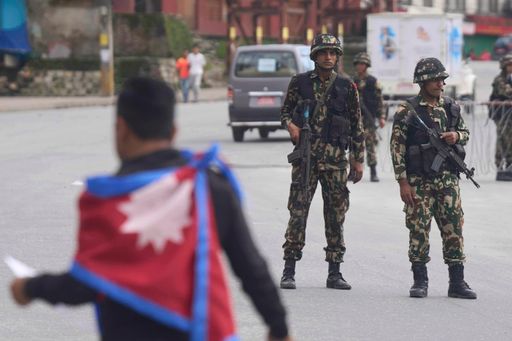
Political leaders and civil servants are now restricted to using only one government vehicle, as part of new austerity rules.
The purchase of additional government vehicles has been banned, with exceptions made solely for those needed to support election security operations.
These austerity measures are part of a broader effort by the interim government to address the root causes of public dissatisfaction, including corruption, lack of employment opportunities, and poor governance.
Prime Minister Karki has pledged to implement reforms that promote transparency, job creation, and improved living standards.
The government is also focused on rebuilding infrastructure damaged during the protests and preparing for national elections scheduled for March, 2026.
Nepal ranked 107 of 180 countries in Transparency International's 2024 Corruption Perceptions Index.
Political experts say Nepal is at a turning point similar to when the Maoist movement overthrew the monarchy in 2008 following more than a decade of unrest that left the government unstable and economy weak.
The Himalayan nation has had 14 governments since, with repeated uprisings fuelled by stark income inequality and youth unemployment at more than 20 percent.
A third of its young population - mostly in their 20s - have left the country for work.