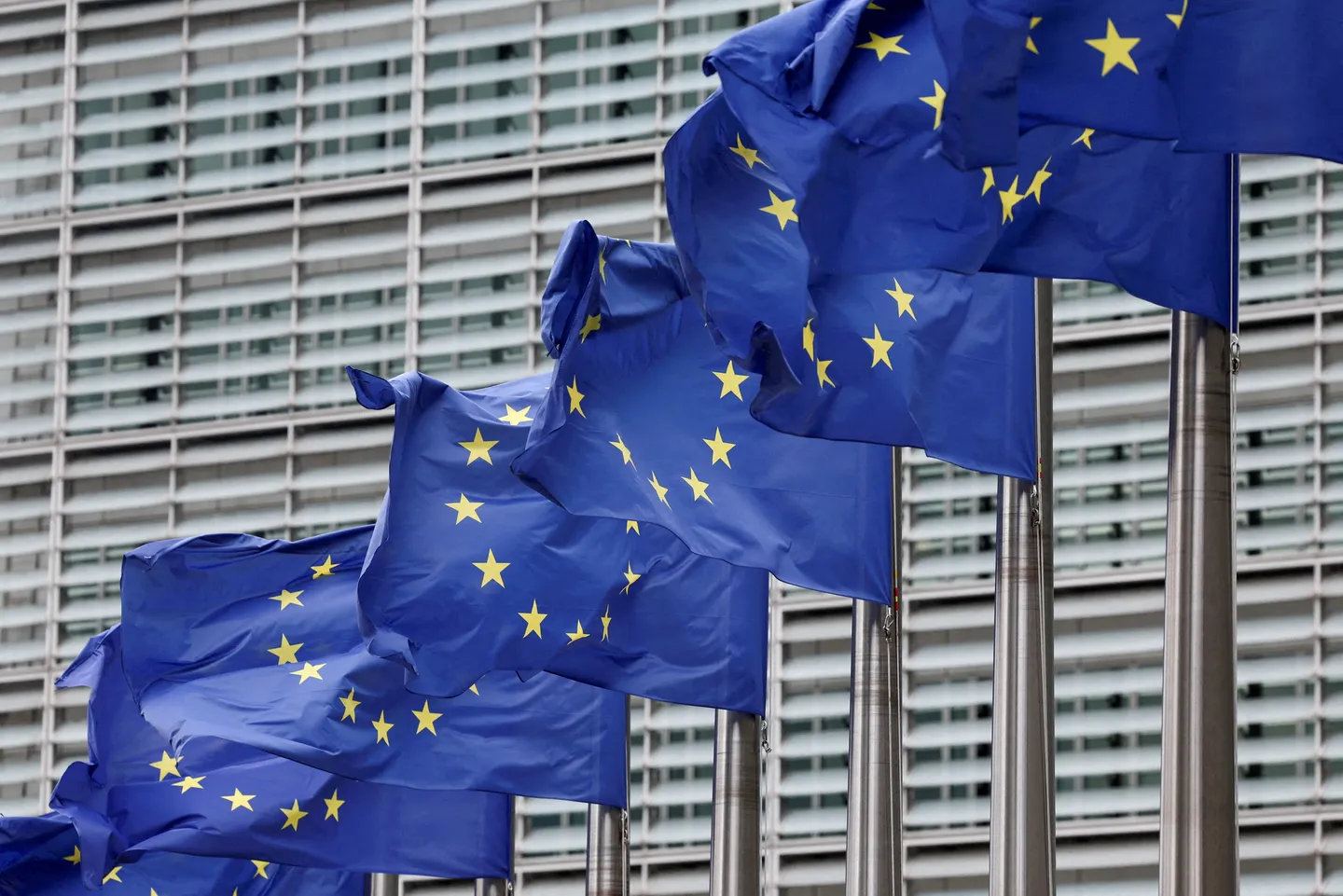
European Union governments have agreed to limit the travel of Russian diplomats within the bloc, the Financial Times reported on Tuesday.
Under the draft rules, diplomats, technical staff, and family members would have to notify host countries (or possibly travel with permits) before moving between EU states.
Reuters also reported the latest EU decision but noted that independent verification remains pending.
The move is driven, in part, by concerns that operatives exploit diplomatic cover to engage in espionage, sabotage, information operations, or infrastructure attacks, as per the FT report.
Currently, Russian diplomats working in any of the 25 EU member states that belong to the Schengen free movement zone — as well as Iceland, Liechtenstein, Norway, and Switzerland — can move freely within the area.
According to the newspaper, the initiative put forward by the Czech Republic is part of a new package of sanctions from the EU.
Unanimous support is required for its adoption, and Hungary, the last country to oppose the measure, has withdrawn its veto, those briefed on the negotiations told the FT.
However, the decision may be postponed due to a dispute over Austria's demand to lift sanctions on assets allegedly linked to a Russian businessman.
Russia’s Foreign Ministry spokeswoman Maria Zakharova had earlier threatened reciprocal restrictions on EU diplomats: “hobbled” travel in retaliation.



Escalating drone strikes
On the ground, meanwhile, Russia and Ukraine continue to press attacks on each other.
Russian air defence units destroyed 184 Ukrainian drones overnight, the country's RIA news agency reported on Tuesday, citing data from the defence ministry.
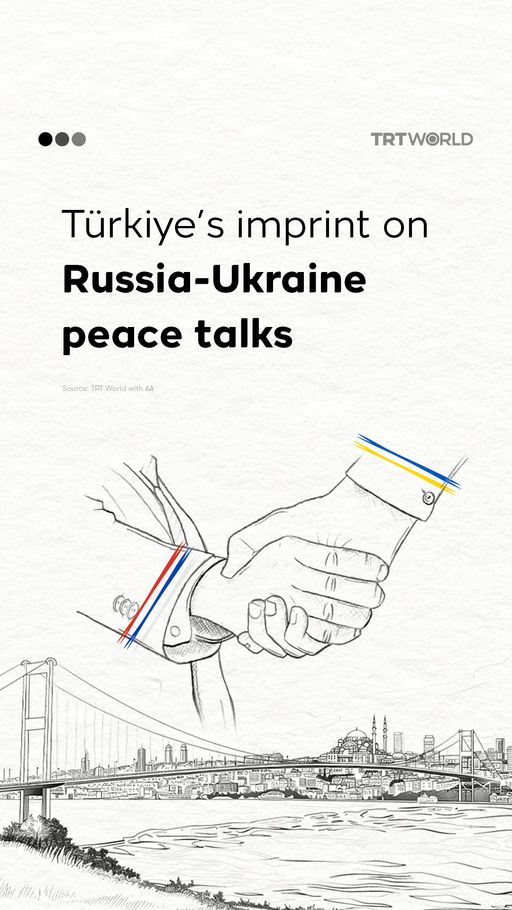
The majority of the drones were intercepted over the border regions of Kursk and Belgorod, Russia's defence ministry said in a statement.
On Monday, Russia said it had intercepted 251 drones, one of Kiev's largest retaliatory attacks.
The strikes left two people dead and sparked power outages, with some 1,000 still without power in Belgorod, according to local authorities.
Kiev, on the other hand, has vowed to step up its strikes on Russian territory, particularly on Russia's oil infrastructure, in what it sees as a legitimate response to Moscow's barrages on Ukrainian cities and its energy network that have at times left millions without heating and power.
Both sides contest narratives of hit accuracy and civilian damage.
The diplomatic clampdown and intensifying cross-border strikes underscore the deepening tensions, with little sign of immediate de-escalation.