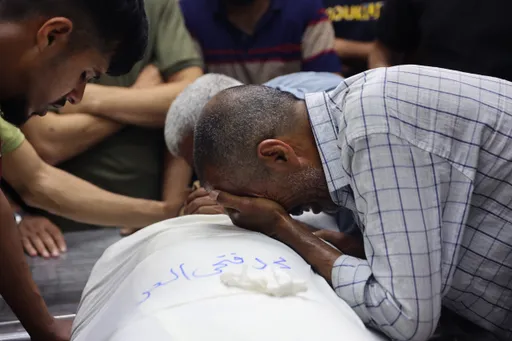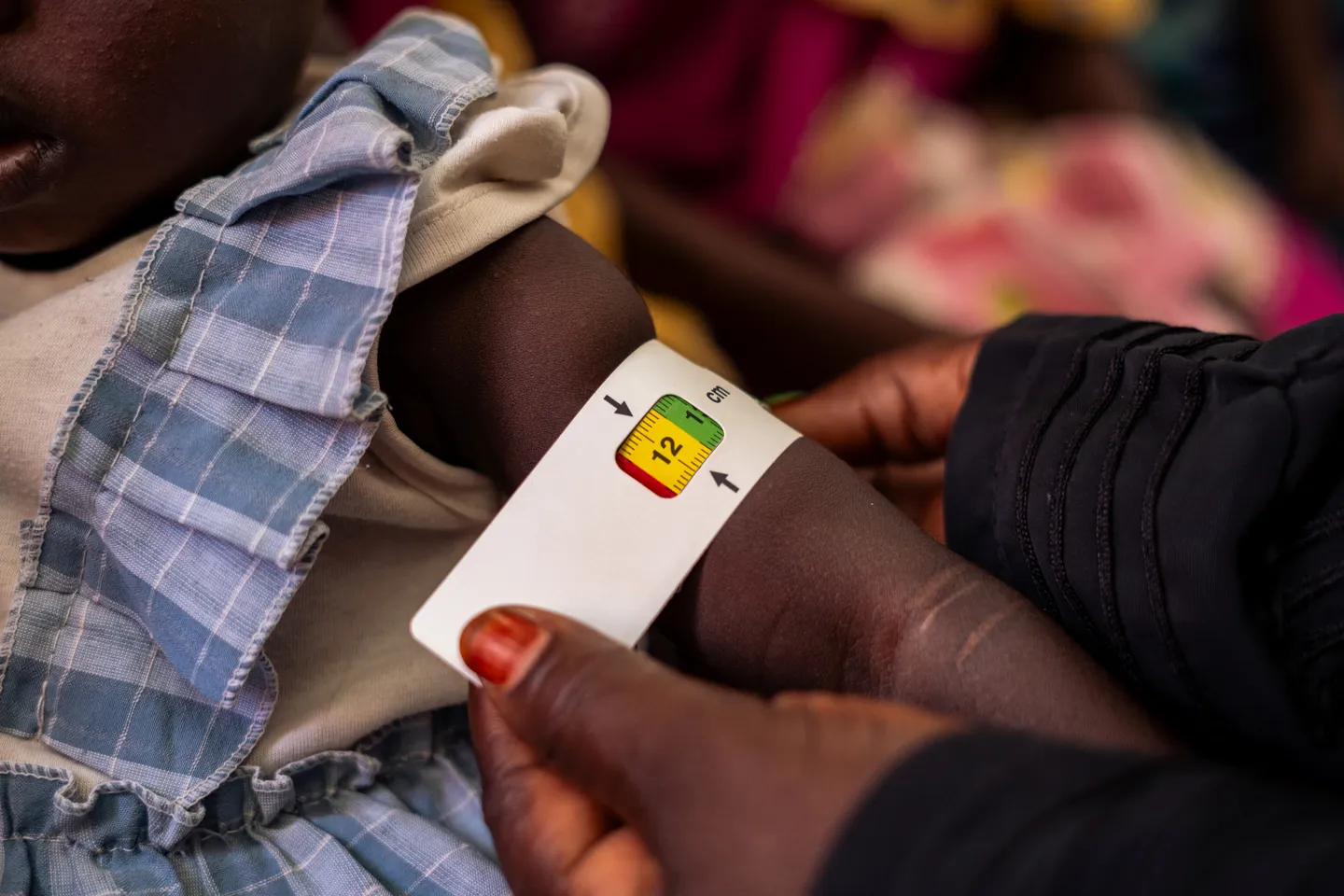
Almost two dozen children died of malnutrition-related causes within a month in central Sudan where fierce fighting between the country’s military and a paramilitary group has centred, a medical group said.
The deaths of 23 children in the Kordofan region underscores the deteriorating humanitarian situation in the northeastern African country where famine is spreading after more than 30 months of devastating war.
Sudan plunged into chaos in April 2023 when a power struggle between the military and the paramilitary Rapid Support Forces (RSF) exploded into open fighting in the capital, Khartoum, and elsewhere in the country.
The devastating war has killed more than 40,000 people, according to UN figures, but aid groups say that is an undercount and the true number could be many times higher. It created the world’s largest humanitarian crisis, with over 14 million people forced to flee their homes, fuelled disease outbreaks and pushed parts of the country into famine.
About 370,000 people had been pushed into famine in Kordofan and the western region of Darfur as of September, with another 3.6 million people one step from famine in the two regions, according to international hunger experts.
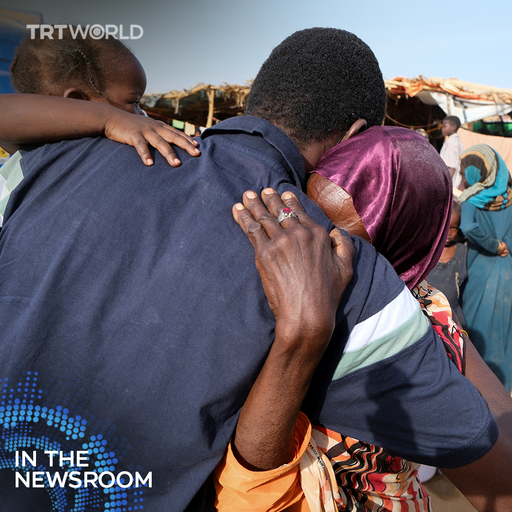
Children’s deaths blamed on severe malnutrition, supplies shortages
The children’s deaths were reported between October 20 and November 20 in the besieged city of Kadugli and the town of Dilling, said the Sudan Doctors Network, a body of professionals that tracks the conflict.
The group said late on Friday that the deaths were a “result of severe acute malnutrition and shortages of essential supplies” in the two areas, where a blockade “prevents the entry of food and medicine and puts the lives of thousands of civilians at risk”.
Kadugli, the capital of South Kordofan province, is where famine was declared earlier this month by the Integrated Food Security Phase Classification. The RSF has besieged Kadugli town for months, with tens of thousands of people trapped as the paramilitary group tries to seize more territory from the Sudanese military.
Dilling, also in South Kordofan, has reportedly experienced the same hunger conditions as Kadugli, but the IPC didn’t announce famine there because of a lack of data, it said.
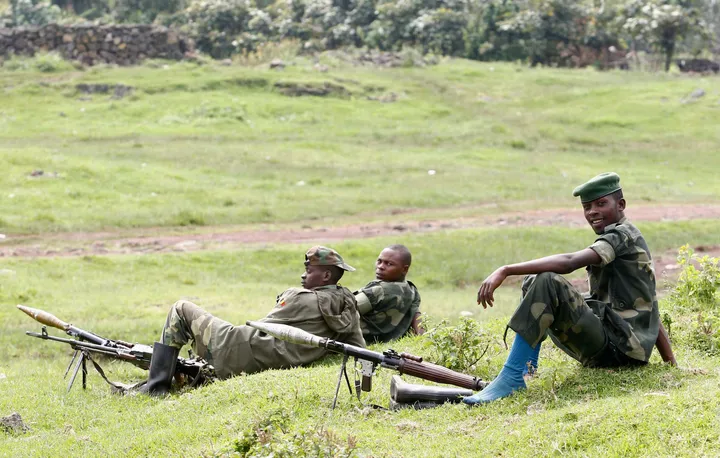




Fighting for the control of Kordofan intensified earlier this year after the military forced the RSF out of Khartoum. The paramilitary group has since then focused its resources on Kordofan and the city of Al Fasher, which was the military’s last stronghold in the sprawling Darfur region.
The RSF drove the military out of Al Fasher earlier this month, and forced tens of thousands to flee to overcrowded camps to escape reported atrocities by the paramilitary force, according to aid groups and UN officials.
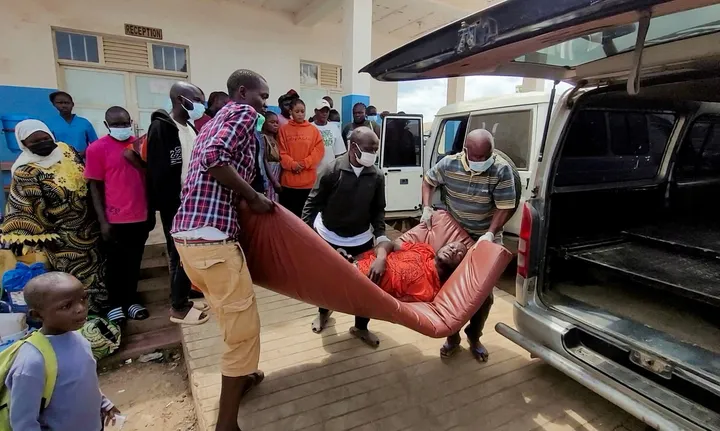
RSF militias rampaged through the Saudi Hospital in the city, killing more than 450 people, according to the World Health Organization. The fighters also went house to house, killing civilians and committing sexual assaults, aid workers and displaced residents say.
Continued disposal of bodies in Al Fasher
New satellite images appear to show continued efforts by RSF to dispose of corpses at locations in Al Fasher, the Yale School of Public Health’s Humanitarian Research Lab said on Friday.
The apparent disposal of bodies on the Saudi Hospital facility grounds and around a compound in Daraja Oula neighbourhood are in locations where RSF reportedly carried out mass killings when they took over the city late last month, the HRS said.
“The combination of likely body disposal via immolation, lack of traditional burial activities and lack of market activity raises significant concerns about the presence of civilians and the sustainment of life for those who remain in Al Fasher,” the HRL said.
The lab said it’s highly likely that most civilians who were in the city before the RSF attack on October 26 “have been killed, have died, are detained, are in hiding, have fled, or are otherwise unable to move freely”.