Israel raised on Monday the alert level of its air-defence system in the north, a day after killing Hezbollah’s top commander Haitham al-Tabtabai in Beirut.
“The army has decided to raise the alert level of the air-defence system in the north,” Israel’s Army Radio said.
Meanwhile, public broadcaster KAN reported that security assessments “do not expect an exchange of strikes with Hezbollah following the elimination of its chief of staff in Beirut’s southern suburbs.”
However, it added: “Israel is nevertheless preparing for various possible reactions, such as attacks on Israeli targets abroad or strikes from other fronts like Yemen,” in reference to the Houthis.
It noted: “Hezbollah’s decision to refrain from responding may be interpreted by Israel as a green light to continue its assassinations, including expanding operations inside Beirut.”
“In this situation, Hezbollah may opt to respond by targeting Israeli interests abroad,” the broadcaster added.
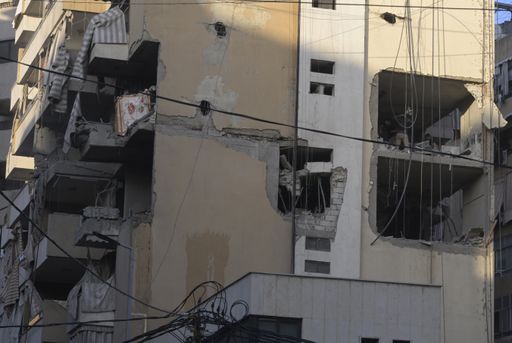
In a statement on Sunday, Hezbollah mourned Tabatabai as “a key military commander.”
The group also reported that four of its members were killed in the Israeli air strike.
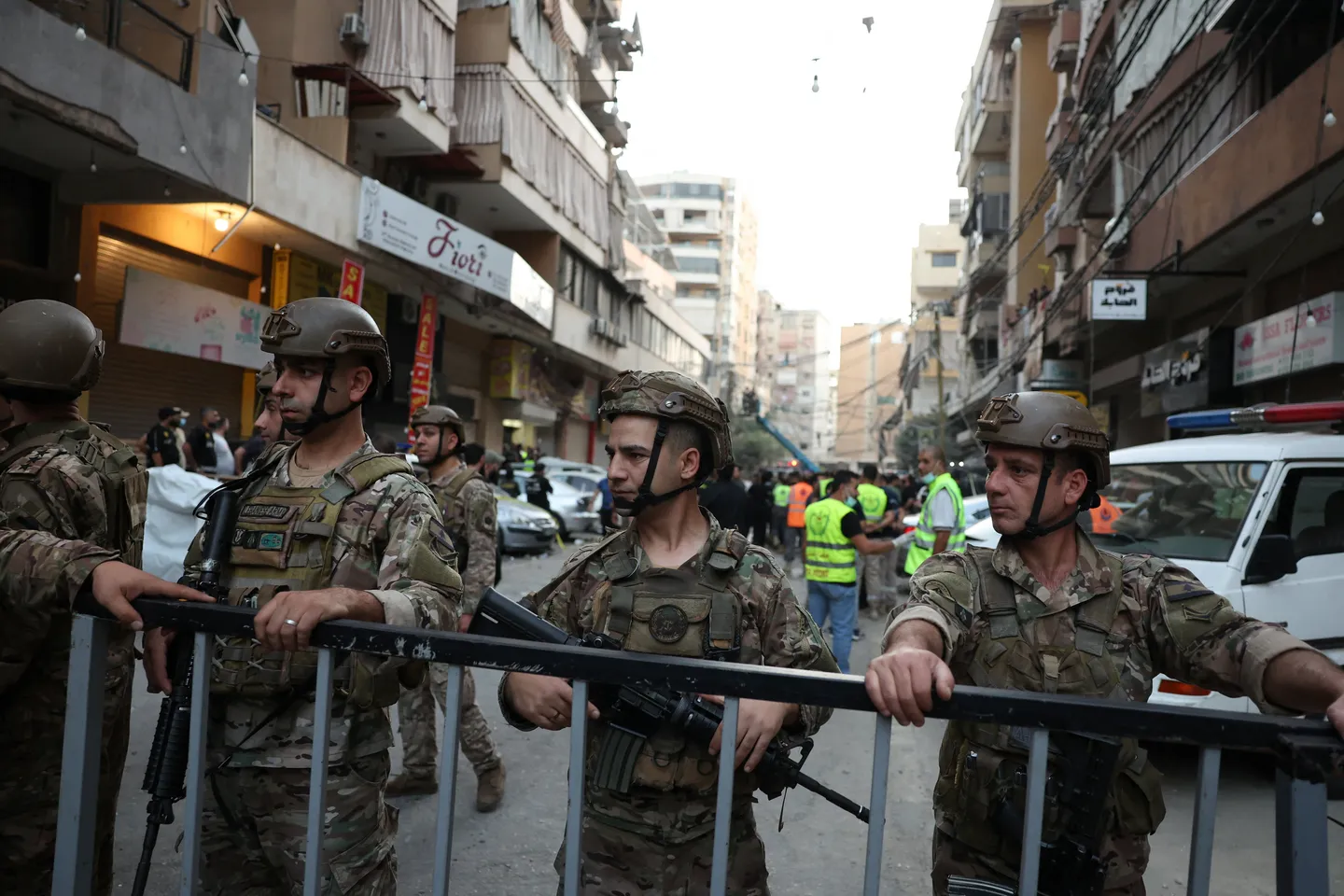
The Israeli army said early on Sunday that it had eliminated Tabatabai in a strike targeting Beirut’s southern suburb despite a ceasefire deal that has been in place since November 2024.
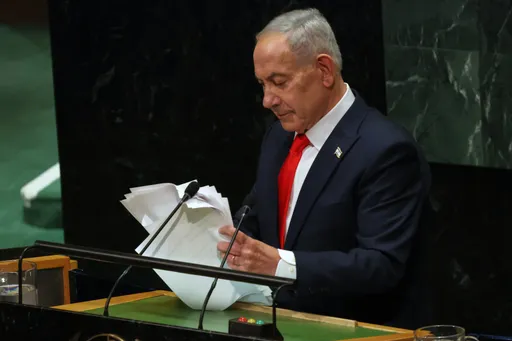
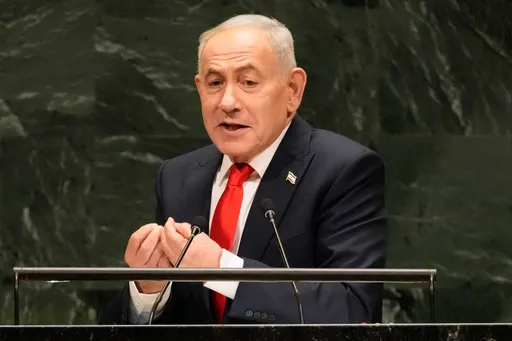
Prime Minister Benjamin Netanyahu said he ordered the strike on the recommendation of Defence Minister Israel Katz and Chief of Staff Eyal Zamir, accusing Tabatabai of leading “the buildup and armament” of Hezbollah.
Israel has carried out multiple strikes on the southern suburbs of Beirut since the ceasefire, most recently in June.
Tensions in southern Lebanon have been mounting for weeks, with the Israeli military intensifying near-daily air raids inside Lebanese territory, claiming to target Hezbollah members and infrastructure.
According to the Lebanese health ministry, at least 331 people have been killed and 945 injured by Israeli fire since the ceasefire took effect on November 27, 2024. The UN peacekeeping mission (UNIFIL) also reported more than 10,000 Israeli air and ground violations.
According to the terms of the ceasefire, the Israeli army was due to withdraw from southern Lebanon in January. However, they only partially withdrew, retaining control of five border outposts.