WORLD
2 min read
Missiles worth $500M fired by US to 'defend Israel' during its war with Iran: Pentagon
The budget request shows US combat operations involved high-end missile interceptors during the 12-day war.
Missiles worth $500M fired by US to 'defend Israel' during its war with Iran: Pentagon
On June 13, Israel launched sweeping air strikes targeting Iran’s nuclear facilities in cities including Natanz and Isfahan.
September 18, 2025

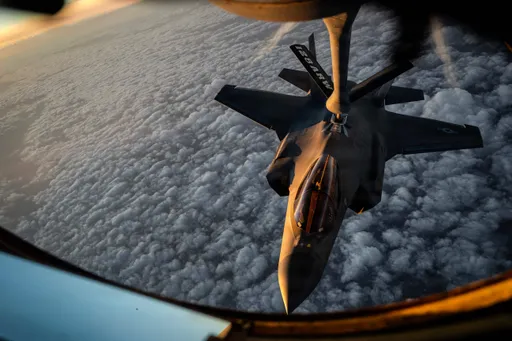
The US fired nearly $500 million worth of interceptor missiles to “defend Israel” during its recent war with Iran, according to a recently released Pentagon budget document.

Dated August 1, the document shows $498.3 million was reallocated to replace Terminal High Altitude Area Defence (THAAD) interceptors used during US combat operations conducted at Israel’s request.

The transfer is described as "a congressional special interest item" and an "emergency budget requirement".

The War Zone, a US-based defence news outlet, first reported the document on Tuesday.

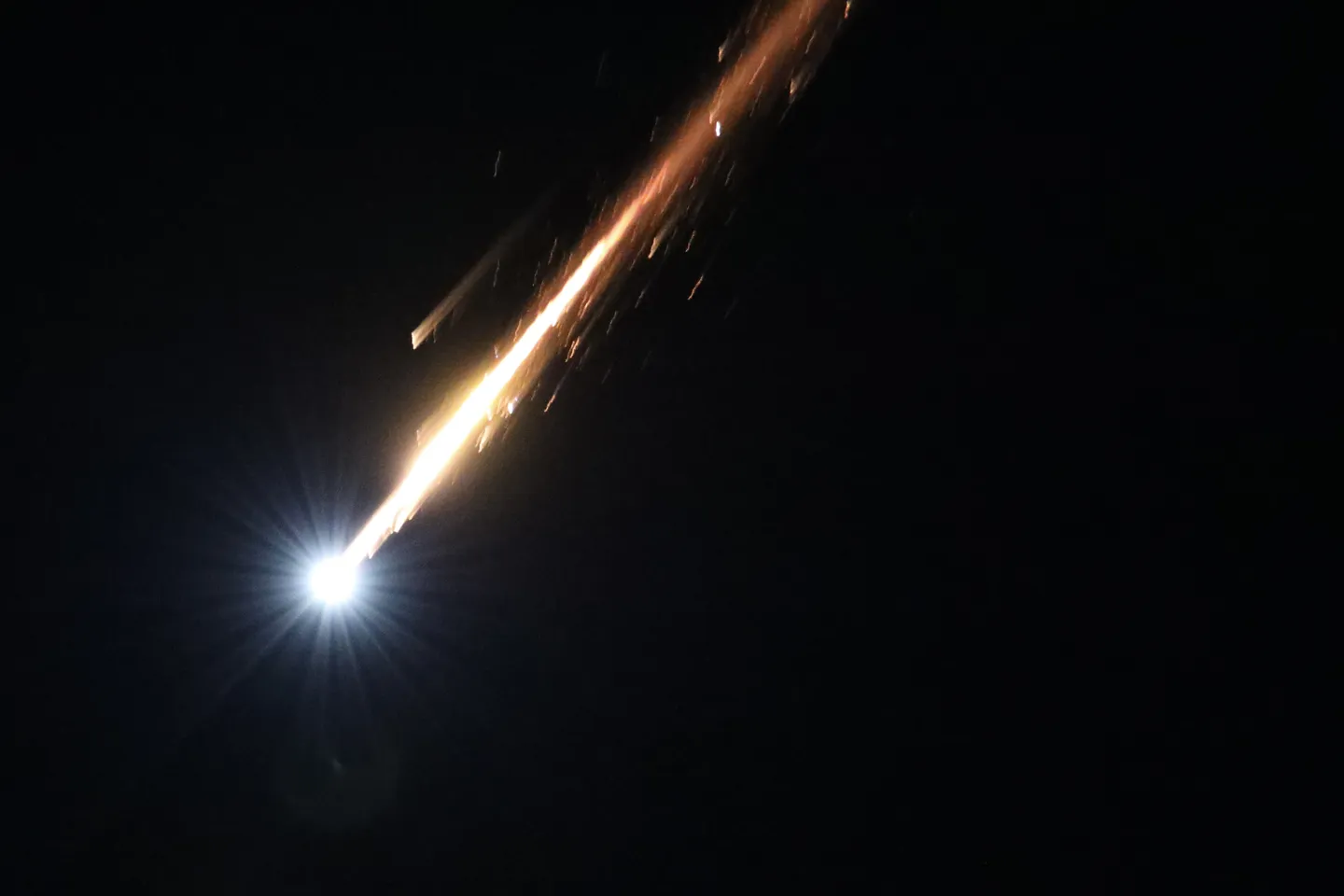
A July report by CNN, citing sources familiar with the operation, said the US may have used between 100 and 150 of the high-end THAAD missile interceptors during the 12-day war, roughly a quarter of America’s stockpile.
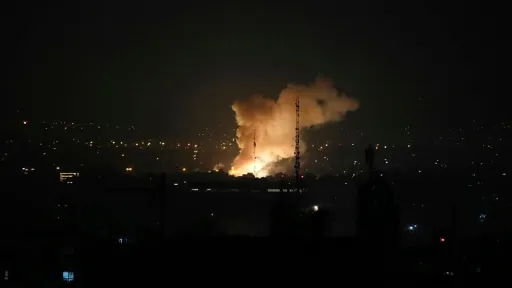
RelatedTRT World - Israel and Iran keep striking each other. Here are the key targeted locations

On June 13, Israel launched sweeping air strikes targeting Iran’s nuclear facilities in cities including Natanz and Isfahan, along with key military command centres, according to Iranian state media and the Israeli military.

The attacks reportedly killed Iran's chief of general staff, the commander of the Revolutionary Guard Corps, several senior generals, at least nine nuclear scientists and hundreds of civilians.


Iran retaliated with hundreds of ballistic missiles aimed at Israeli cities, killing dozens and causing extensive damage.

Most of the missiles were intercepted.

The US, a staunch Israeli ally, followed with its own strikes on June 22.

Dubbed Operation Midnight Hammer, the assault targeted Iran’s Natanz, Fordow and Isfahan nuclear sites using bunker-busting bombs and guided missiles.

The conflict ended on June 24, following US-brokered ceasefire efforts after Iranian strikes on American bases in the region raised fears of a broader escalation.

The International Atomic Energy Agency reported severe damage but no radiation leaks.

SOURCE:TRT World & Agencies
Explore
Accidental blast kills 9, injures 27 at police station in Indian-administered Kashmir
Rashida Tlaib, 20 Democrats urge US resolution recognising Gaza genocide
Multiple dead, injured as Stockholm bus rams into pedestrians
Israel violated UNSC resolution by erecting walls inside Lebanon: UN peacekeepers
Türkiye commemorates 81 years since Ahiska Turks' exile from Georgia
Jordan, Indonesia leaders focus on Gaza and trade during Jakarta talks
UN rights body orders urgent inquiry into violations in Sudan's Al Fasher
Who really discovered Victoria Falls, one of the largest waterfalls in the world?
Russia carries out massive, deadly attack on Ukraine, Kiev responds with long-range strikes
Beijing, Tokyo summon envoys after Japanese PM's Taiwan comments
Cold rains threaten fragile tents amid flooding risk in Gaza
South Africa faces criticism for stopping Palestinians from disembarking plane
Russia wants 'constructive role' in G20 despite politicisation concerns: Kremlin
Melbourne trembles as AC/DC fans shake the ground
UN rights chief warns of escalating atrocities in Sudan's Al Fasher amid RSF violence
Pakistan says Islamabad court attack command was based in Afghanistan, arrests terrorist suspects
'Brutal, inhumane': UN warns of worsening Sudan war, calls for life-saving aid, civilian protection
Former Georgian president Saakashvili asks Zelenskyy to add him to Ukraine's prisoner exchange list
India demolishes home of Kashmiri man allegedly linked to Delhi blast
Russia says it foiled Ukrainian plot to kill top official at cemetery