 Ahmed Najar
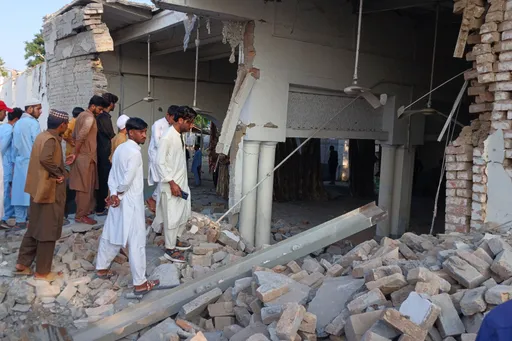
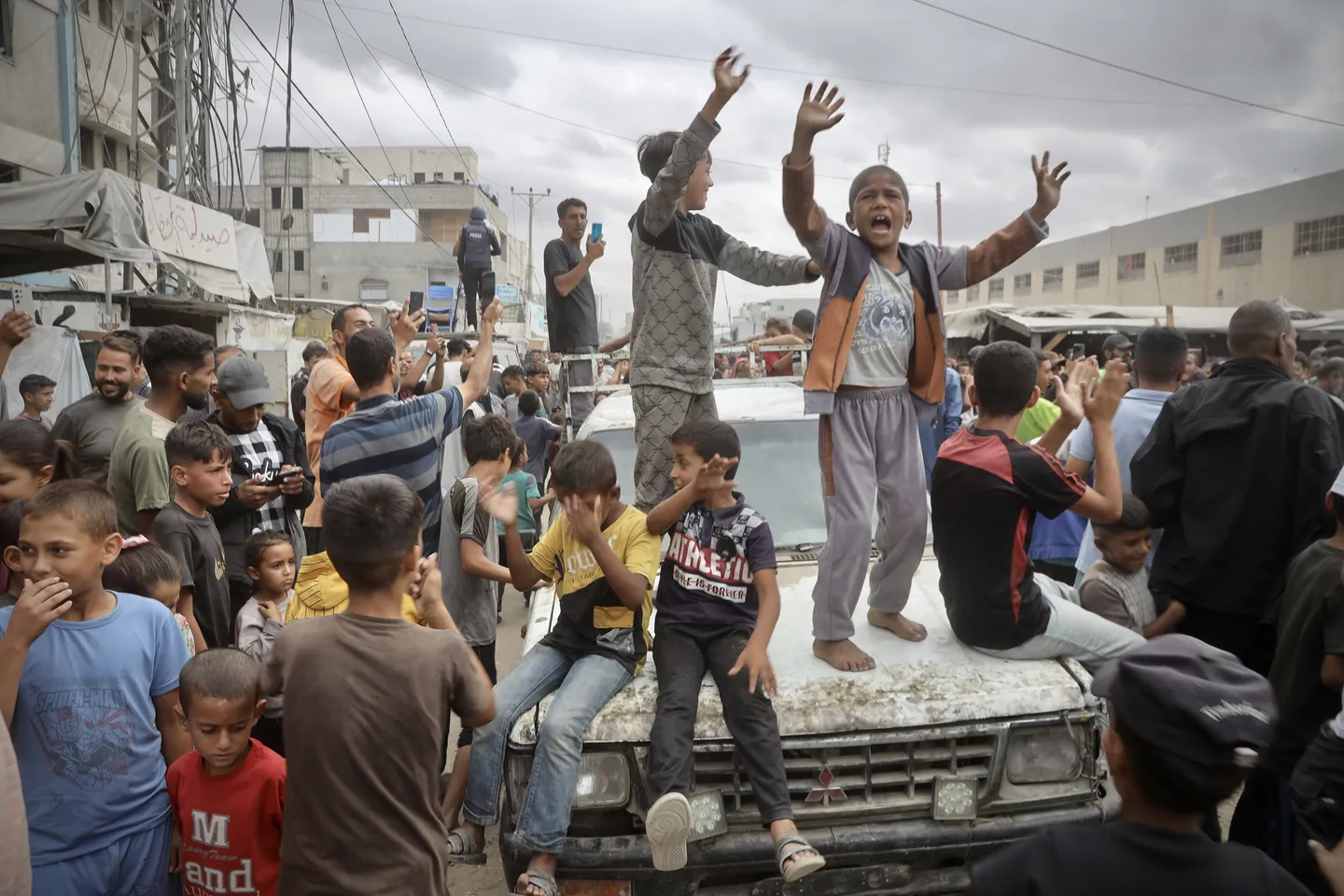
We Palestinians are cautiously hopeful. Families in Gaza describe a strange mix of relief and dread — joy that the bombing has stopped, fear that it could resume at any moment, and grief for what has already been lost.
For many Palestinians, even the word ceasefire feels foreign after a year of relentless bombardment. Yet this moment, fragile as it is, carries the potential to become something more enduring — if the regional architecture now forming around it is allowed to take root.
The new ceasefire agreement lays out a phased plan: a cessation of hostilities, the gradual withdrawal of Israeli troops, and a reciprocal exchange of hostages and prisoners.
Hamas still holds 48 hostages — including both Israelis and foreign nationals, as well as the bodies of those deceased — while Israel continues to detain nearly 11,000 Palestinians. This stark imbalance remains one of the central obstacles to any lasting agreement.
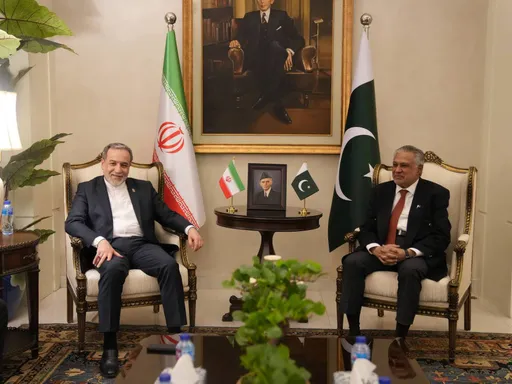
But the real significance lies not only in the terms, but in who is at the table. Unlike previous truces, this one is being shaped and guaranteed by a broader coalition of regional actors — Türkiye, Egypt, and Qatar — with additional diplomatic support from Saudi Arabia, Jordan, and the United Arab Emirates. That multilateral character could make the difference between another temporary pause and the beginning of a sustainable framework for peace.
Middle East steps in
In past ceasefires, mediation was often narrowly centred on Washington or limited to short-term humanitarian management. This time, the Middle East itself has stepped into the driver’s seat.
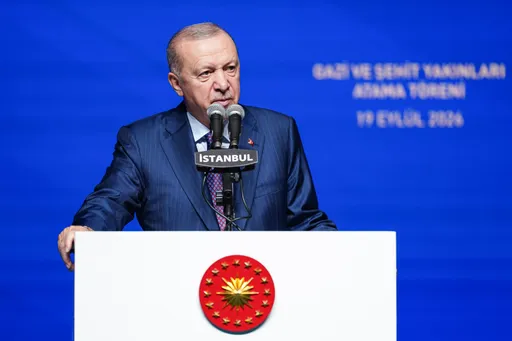
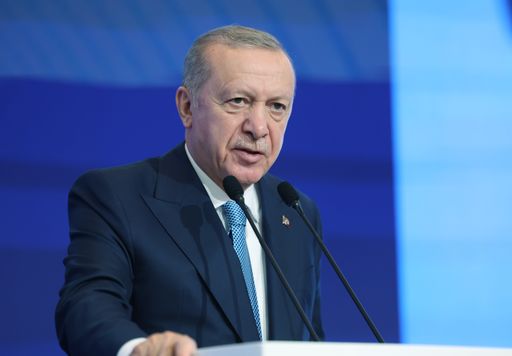
Türkiye’s engagement has been especially noteworthy. Ankara’s diplomats were directly involved in the talks held in Sharm el-Sheikh, and President Erdogan has publicly committed to “closely monitoring” implementation. This is more than symbolic: Türkiye has positioned itself as a guarantor, one with the political will and regional credibility to push for compliance.
Egypt’s leverage remains indispensable. It controls the Rafah crossing, Gaza’s main exit to Egypt, serves as the principal security interlocutor with Israel, and has decades of experience mediating ceasefire logistics.
Qatar, for its part, continues to be the essential bridge to Hamas — maintaining the political channels, humanitarian financing, and technical expertise needed to operationalise a deal on the ground. Together, these three states form a regional backbone capable of turning written terms into real-world enforcement.
But the circle of diplomacy is widening. Saudi Arabia has been vocal in linking the ceasefire to the need for a credible political horizon — specifically, recognition of a Palestinian state based on the 1967 borders, a long-standing demand in international law and UN resolutions.
The UAE has indicated readiness to support reconstruction through maritime corridors and infrastructure projects inside Gaza. Jordan has pledged to scale up humanitarian delivery once access restrictions are eased, drawing on its logistical experience from earlier aid operations.
This collective engagement represents a new political geometry — one in which the region is reacting to Western frameworks, but also actively designing its own.
Critical conditions





Whether this deal holds will depend on a few critical conditions. The first is verification. Ceasefires fail when terms are vague and violations go unrecorded. This time, benchmarks must be public, time-bound, and independently attested: clear withdrawal maps, defined hostage and prisoner lists, and transparent incident reporting.
Türkiye’s intention to “monitor strict implementation” should translate into a formal joint verification mechanism with Egypt, Qatar, and UN participation — a body empowered to issue weekly updates and de-escalate violations before they spiral.
The second condition is speed. Within 72 hours, aid must flow in quantities that make a visible difference. Gaza’s population cannot wait months for fuel, medicine, and food. The UAE’s maritime route, Egypt’s border coordination, and Jordan’s airdrop logistics should be mobilised in tandem, backed by international agencies.
Early success here could restore a measure of faith among Palestinians who have learned, painfully, not to believe in promises.
The third is governance and reconstruction. Gaza cannot simply be rebuilt to be destroyed again. A “Gaza Recovery Trust” — funded by regional contributors and monitored through transparent procurement and community participation — could ensure that trustworthy aid institutions strengthen.
This approach would also give Palestinians a measure of agency over their own recovery, something they have been consistently denied.
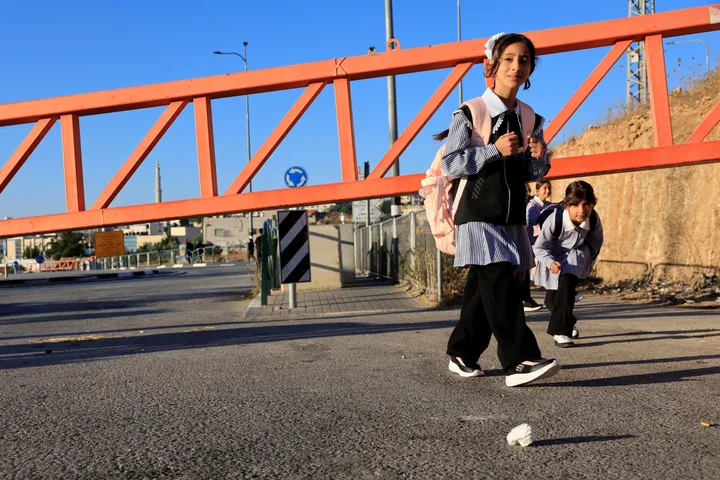
The fourth condition is political. Ceasefires without recognition are cul-de-sacs. As Saudi Arabia and Jordan have both underscored, this truce must be linked to a concrete political process that recognises Palestinian statehood and dismantles the architecture of siege and occupation, including checkpoints, blockades, and restrictions on movement.
Without that horizon, even the most successful humanitarian operation will only postpone the next catastrophe.
Finally, there must be accountability. Every previous ceasefire collapsed because breaches carried no cost. Guarantors should commit in advance to consequences for violations — whether public attribution, suspension of cooperation, or conditionality on reconstruction funds. Only when impunity ends can trust begin.
This regional coalition — diverse, assertive, and increasingly self-confident — has an opportunity to redefine diplomacy over Gaza.
Türkiye’s role is especially pivotal, bridging East and West, combining moral authority with pragmatic engagement. If Ankara, Cairo, and Doha coordinate effectively, backed by Gulf financing and Jordanian logistical support, they could deliver something unprecedented: an Arab and Muslim-led enforcement framework that restores dignity to Palestinians and regional agency to the peace process.
Over the next few weeks, the world will watch for signs of substance behind the ceremony: will Israeli forces withdraw on schedule? Will prisoners and hostages be released in good faith? Will aid convoys actually reach northern Gaza? And crucially, will any political steps follow — the lifting of movement restrictions, or even the first gestures towards formal recognition?
It would be naive to call this a breakthrough, but it would be cynical to dismiss it.
This ceasefire is both a test and an opportunity: a test of whether the region can sustain unity in the face of Israeli intransigence, and an opportunity to turn a fragile pause into the scaffolding of peace.
For families in Gaza — including mine — the calculus is brutally simple. Hope has become a form of resistance. But hope also needs structure: timelines, guarantors, and accountability. If this regional coalition can deliver those, then perhaps this time will be different. Perhaps the guns will stay silent long enough for the sound of rebuilding to begin.