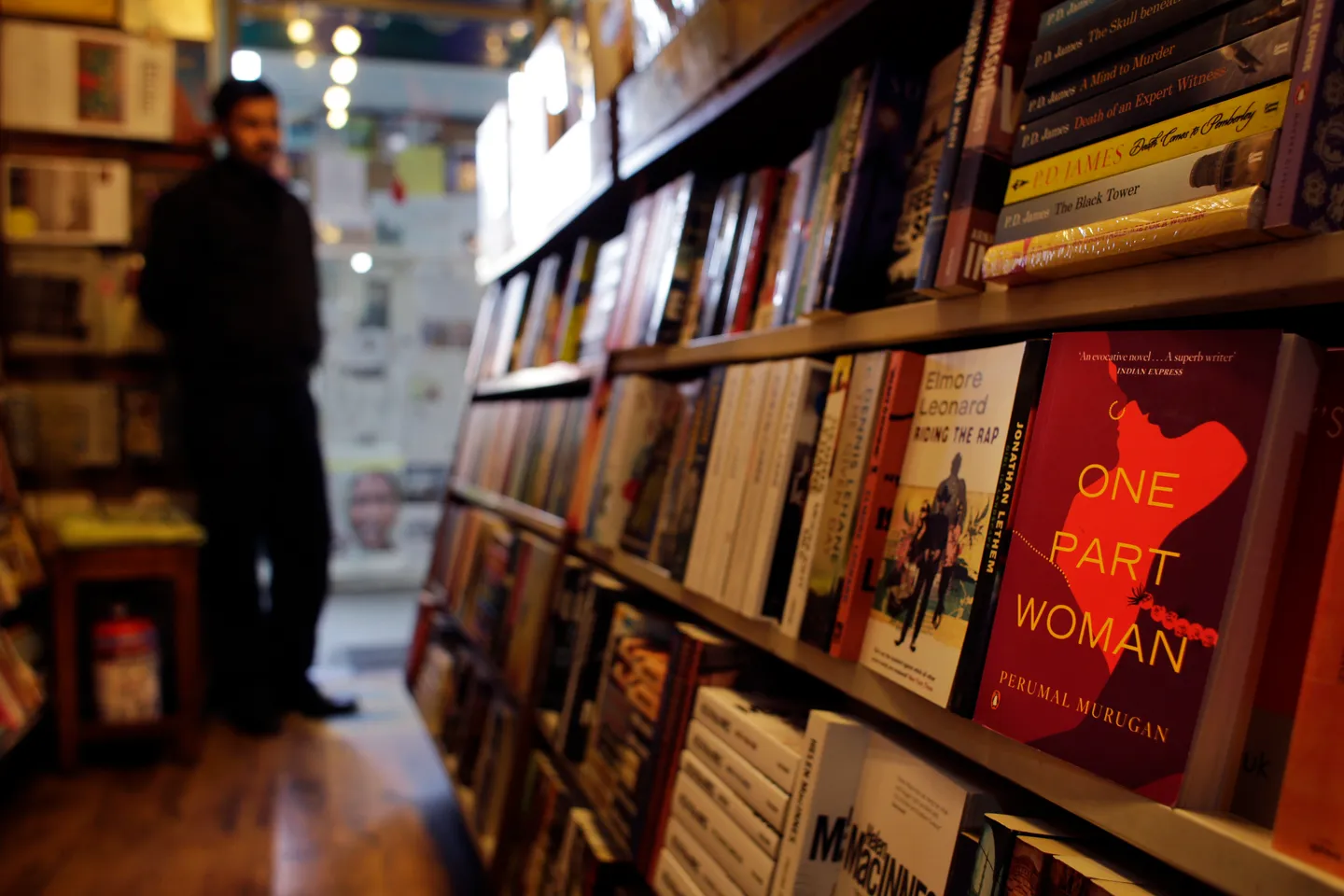
India has ordered the ban and seizure of 25 books, including those written by prominent Kashmiri, Indian and international authors, alleging that the works "glorify terrorism" and "incite secessionism" in India-administered Kashmir.
In an intensifying campaign to silence dissent and reshape the historical narrative on India-administered Kashmir, the disputed region's New Delhi-run Home Department issued a notification on Wednesday, accusing the books and authors of promoting "false narratives" on Kashmir.
Among the banned books are Azadi by Arundhati Roy, The Kashmir Dispute 1947–2012 by A G Noorani, Kashmir in Conflict by Victoria Schofield, and Independent Kashmir by Christopher Snedden.
Works by Sumantra Bose, Hafsa Kanjwal, Anuradha Bhasin, Radhika Gupta, Essar Batool, Ather Zia, Pankaj Mishra, Haley Duschinski, Mona Bhan, Piotr Balcerowicz and Agnieszka Kuszewska, are also listed.
Indian authorities claimed that the books promote "a culture of grievance, victimhood and terrorist heroism," contributing to radicalisation through historical distortion and vilification of Indian military.
The order said the books pose a threat to the "sovereignty and integrity" of India.
It said that 25 such books have been identified, listing out the names and author and publisher details, adding that the works, their copies or other documents are being "forfeited" under Section 98 of Bhartiya Nagarik Suraksha Sanhita 2023.
"For anyone who has studied Kashmir’s history, a list of banned books by the Indian government is not a surprise," Kanjwal, an associate professor of South Asian History in the Department of History at Lafayette College in Easton, Pennsylvania, told TRT World.
"India's nearly eight-decade long occupation has consistently tried to control information about Kashmir both for the international community as well as the people living there," said Kanjwal, whose book Colonizing Kashmir: State-building Under Indian Occupation, was also banned by India.
"The list of banned books joins years of internet shutdowns, not allowing international observers, and zealously controlling the media. It is ludicrous, but gives you a sense of the fragility and insecurity of the Indian state in Kashmir," she added.
Bhasin, whose book A Dismantled State: The Untold Story of Kashmir After Article 370 has been targeted by New Delhi, rejected the allegation of "glorifying terrorism."




"They're well researched & not one glorifies terrorism which this govt claims to have ended. Scared of words challenging your lies! I challenge the book banners (a ridiculous sign of a depraved mind) to prove a single word that glorifies terrorism. For those who value truth, read it and judge for yourself," she wrote on Facebook, referring to banned books.
Decades of conflict
The latest crackdown on books follows earlier police raids on bookstores in main Srinagar city and other areas of India-administered Kashmir.
In February, Indian authorities seized at least 668 books, most of them authored by Abul Ala Maududi, the 20th-century Islamic scholar and founder of Jamaat-e-Islami.
Critics contend that targeting scholarly, political, and religious texts is a coordinated effort to erase alternative narratives on Kashmir's disputed status and human rights.
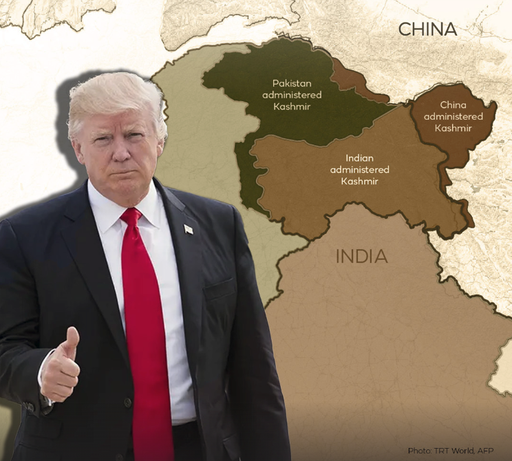
Kashmir has remained at the heart of a decades-long dispute between nuclear-armed neighbours India and Pakistan, both of which claim the territory in full but control separate parts.
Armed resistance to New Delhi's rule began in 1989 in India-administered Kashmir, where many Muslim residents support independence or a merger with Pakistan.
India, which has stationed more than 500,000 troops in Kashmir, accuses Pakistan of fuelling the insurgency. Islamabad denies the allegations and says it only extends political, moral, and diplomatic support to Kashmiris.
Kashmiris widely view the armed revolt as a legitimate freedom struggle.
The conflict has claimed tens of thousands of lives — including civilians, fighters, and Indian troops — over nearly eight decades.
The UN has passed several resolutions advocating for plebiscite in the region.