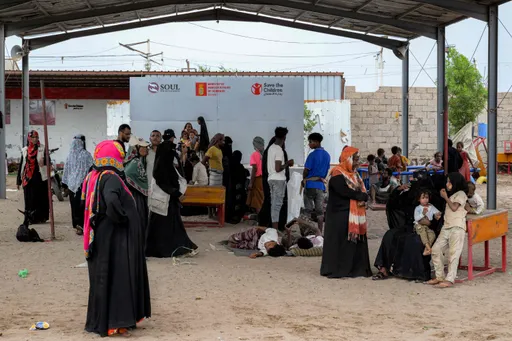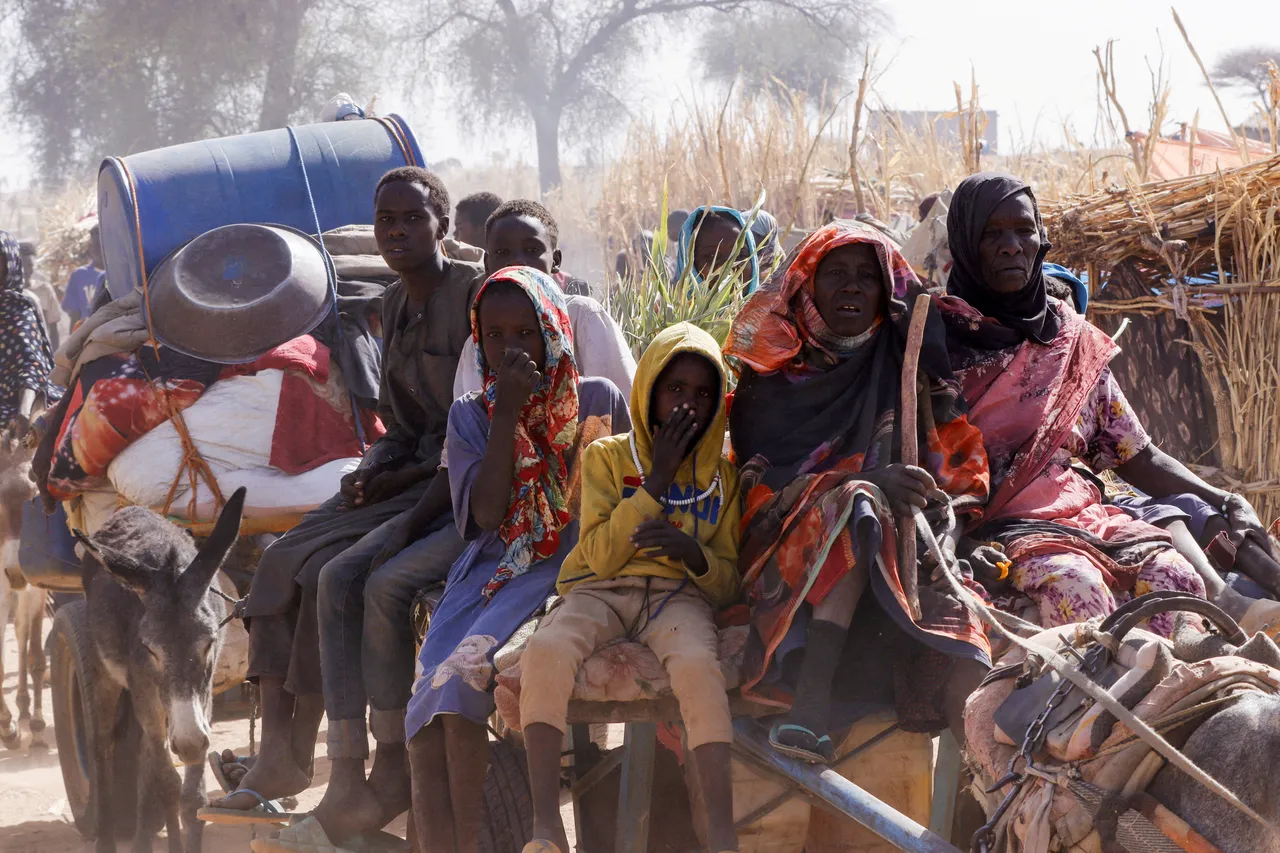
Around 650 additional civilians have fled Sudan’s South Kordofan state due to worsening insecurity, the International Organization for Migration said.
In a statement, the UN agency said 460 people were displaced from the city of Kadugli on Monday and Tuesday, fleeing to North Kordofan, White Nile state to the south, and the capital, Khartoum.
The IOM said another 145 people fled from the city of Dilling during the same period, while 45 more were displaced from Al-Kuweik.
Those who fled from Dilling and Al-Kuweik sought shelter in parts of South Kordofan and neighbouring West Kordofan.
The agency said the latest displacement followed earlier movements on Sunday, when at least 575 people fled Kadugli, Dilling and Al-Kuweik amid rising insecurity.
Violence across North and South







According to UN estimates, more than 41,000 people fled escalating violence across North and South Kordofan states during November alone.
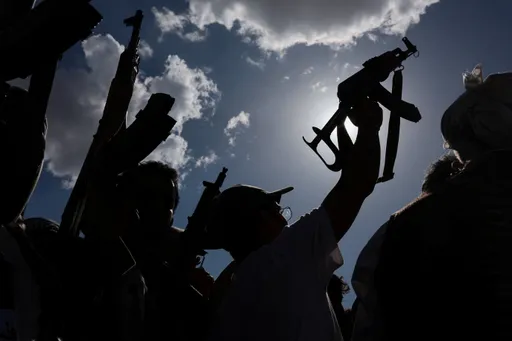
The three Kordofan states — North, West and South — have seen weeks of intense fighting between Sudan’s army and the paramilitary Rapid Support Forces (RSF), forcing tens of thousands of civilians to flee their homes.
Of Sudan’s 18 states, the RSF militias control all five states of the Darfur region in the west, except for parts of North Darfur that remain under army control.
The Sudanese army holds most areas of the remaining 13 states in the south, north, east and centre of the country, including Khartoum.
The conflict between the Sudanese army and the RSF began in April 2023 and has since killed thousands of people and forcibly displaced millions, according to UN agencies.