The United Nations High Commissioner for Human Rights slammed Myanmar on Monday for conducting a "cruel military operation" against Rohingya Muslims.
Zeid Raad al Hussein branded it "a textbook example of ethnic cleansing."
Zeid's comments to the United Nations Human Rights Council in Geneva came on Monday as the official tally of Rohingya who fled Myanmar and crossed into Bangladesh in just over two weeks soared to just over 300,000.
TRT World's Shamim Chowdhury reports.
The surge of refugees – many sick or wounded – has strained the resources of aid agencies already helping hundreds of thousands from previous spasms of bloodletting in Myanmar.
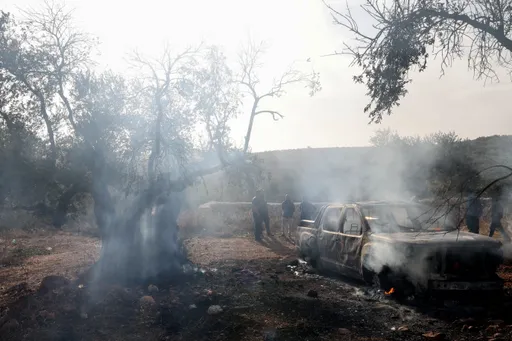
"We have received multiple reports and satellite imagery of security forces and local militia burning Rohingya villages, and consistent accounts of extrajudicial killings, including shooting fleeing civilians," Zeid said.
Zeid urged the Myanmar government to "stop pretending that the Rohingyas are setting fire to their own homes and laying waste to their own villages."
"This complete denial of reality is doing great damage to the international standing of a government which, until recently, benefited from immense good will," he said, calling on authorities to allow his office access to investigate the situation in the country.
At least 3,000 killed
Myanmar security forces have killed at least 3,000 Rohingya people in the violence, Bangladesh's foreign minister said on Sunday.
“They have killed over 3,000 people there and razed their houses,” Abul Hasan Mahmood Ali told the press, after briefing envoys of Arab and Western states and representatives of UN agencies in Dhaka on Bangladesh's efforts for Rohingya refugees.
The foreign minister said the international community described the violence in Rakhine as "genocide and we, too, think so."
Depleting resources






The exodus has put pressure on aid agencies and communities, which were already helping hundreds of thousands of refugees from previous violent episodes in Myanmar.
"Large numbers of people are still arriving every day in densely packed sites, looking for space, and there are clear signs that more will cross before the situation stabilises," the International Organization for Migration said in a statement.
"New arrivals in all locations are in urgent need of life-saving assistance, including food, water and sanitation, health and protection."
Communal tensions spread
A mob of about 70 people armed with sticks and swords threatened to attack a mosque in the central town of Taung Dwin Gyi on Sunday evening, shouting "this is our country, this is our land," according to the mosque's imam, Mufti Sunlaiman.
"We shut down the lights in the mosque and sneaked out," the mufti, who was in the mosque at the time, said.
The government said in a statement that the mob was dispersed after police with riot shields fired rubber bullets.
Attacks by Arakan Rohingya Salvation Army (ARSA) militants on police posts and an army base on August 25 provoked a military counter-offensive and a mass migration of villagers into the Cox's Bazar region of southern Bangladesh.
Bangladesh looks for help
Bangladesh is seeking international support for its plan to relocate Rohingya Muslims fleeing violence in Myanmar to a remote Bay of Bengal island that critics say is flood-prone and unlivable.
The more over 300,000 Rohingya who fled since the latest violence began are joining more than 400,000 others already living there in Bangladesh in cramped makeshift camps.
“This is creating a huge challenge for Bangladesh in terms of providing shelter as well as other humanitarian assistance to them,” Bangladesh’s foreign ministry said in a statement on Monday.
Ali "sought support for transportation of the Rohingya to Bhashan Char," also known as Thengar Char.
Bangladesh, one of the world's poorest and most crowded nations, plans to develop Thengar Char, which only emerged from the silt off Bangladesh's delta coast 11 years ago and is two hours by boat from the nearest settlement.
It regularly floods during June-September monsoons and, when seas are calm, pirates roam the nearby waters to kidnap fishermen for ransom.