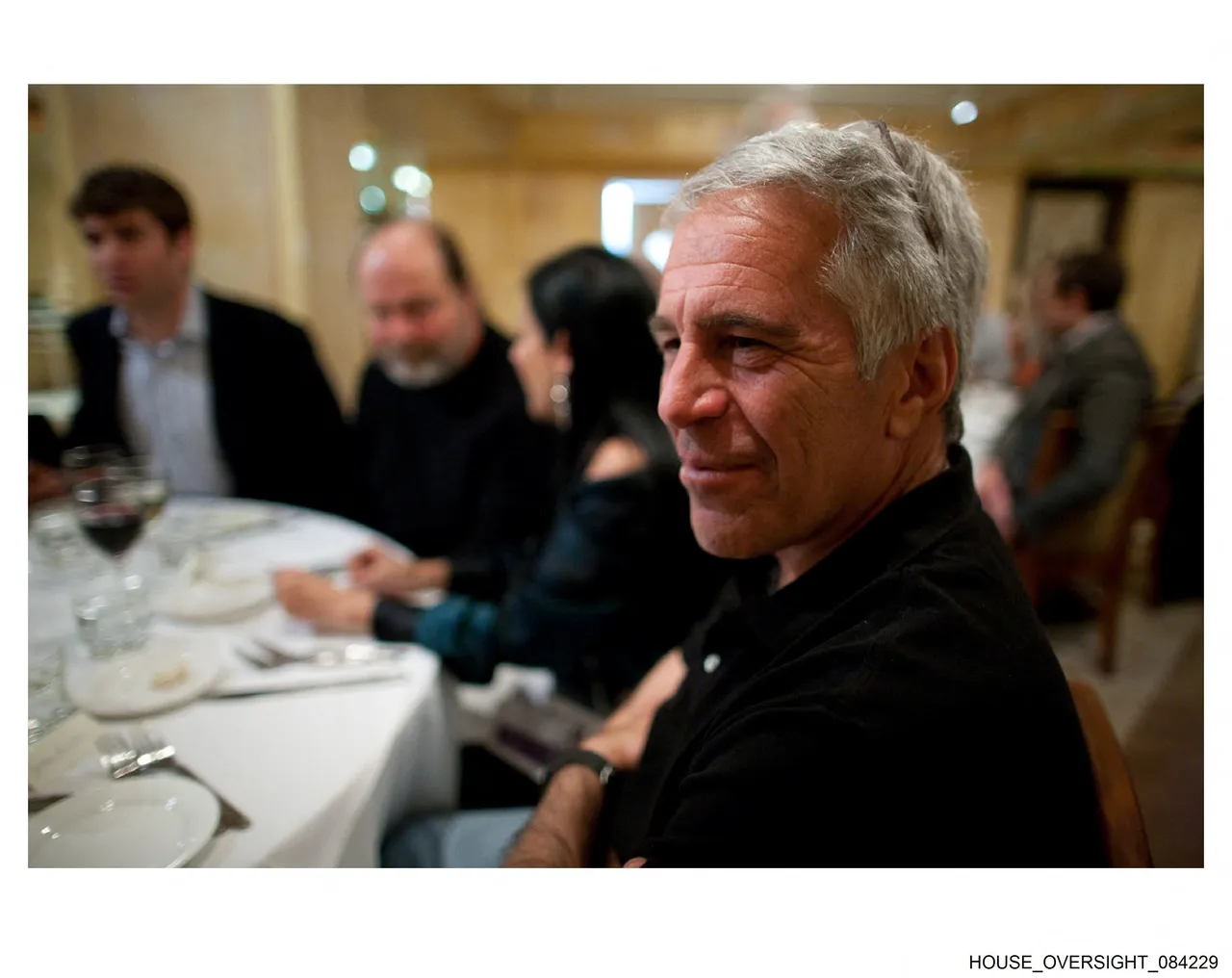
US House Democrats on the Oversight Committee released an additional set of photographs submitted by the estate of convicted, disgraced sex offender Jeffrey Epstein, a day before a Justice Department deadline to make public related records.
The collection of about 70 images includes heavily redacted photographs of women’s passports, as well as pictures of prominent men who were part of Epstein’s social circle.
"Oversight Democrats will continue to release photographs and documents from the Epstein estate to provide transparency for the American people," said Representative Robert Garcia, the ranking member of the Committee on Oversight and Government Reform, in a statement.
The images are part of a larger production of roughly 95,000 photographs provided to the committee last week in response to congressional subpoenas.
Democrats said the additional photos were selected to give the public a representative sample of the material and to shed light on Epstein’s network and what Garcia described as his "extremely disturbing activities."
"As we approach the deadline for the Epstein Files Transparency Act, these new images raise more questions about what exactly the Department of Justice has in its possession," Garcia said.
"We must end this White House cover-up, and the DOJ must release the Epstein files now."
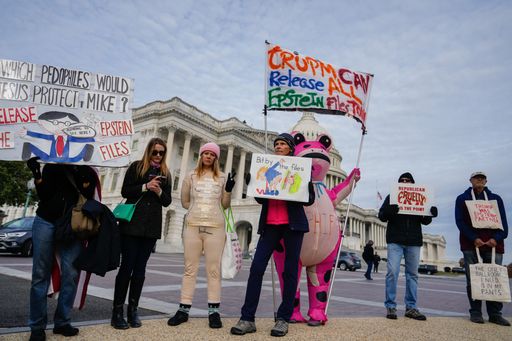








Under the Epstein Files Transparency Act, signed into law by President Donald Trump on November 19, Attorney General Pam Bondi is required to release Epstein-related files held by the Justice Department and the FBI by Friday.
Last week, the committee also released about 20,000 pages of documents received from Epstein’s estate.
The full collection of more than 95,000 images includes photographs of President Trump, former president Bill Clinton, Steve Bannon, Bill Gates and British businessman Richard Branson.
Epstein was found dead in his New York jail cell in 2019 while awaiting trial on federal sex trafficking charges.
He had previously pleaded guilty in 2008 to procuring a minor for prostitution in Florida, a conviction critics have described as a "sweetheart deal."
His victims have alleged he ran a wide-ranging sex trafficking network involving wealthy and politically connected figures, keeping the case a source of intense public and political scrutiny.