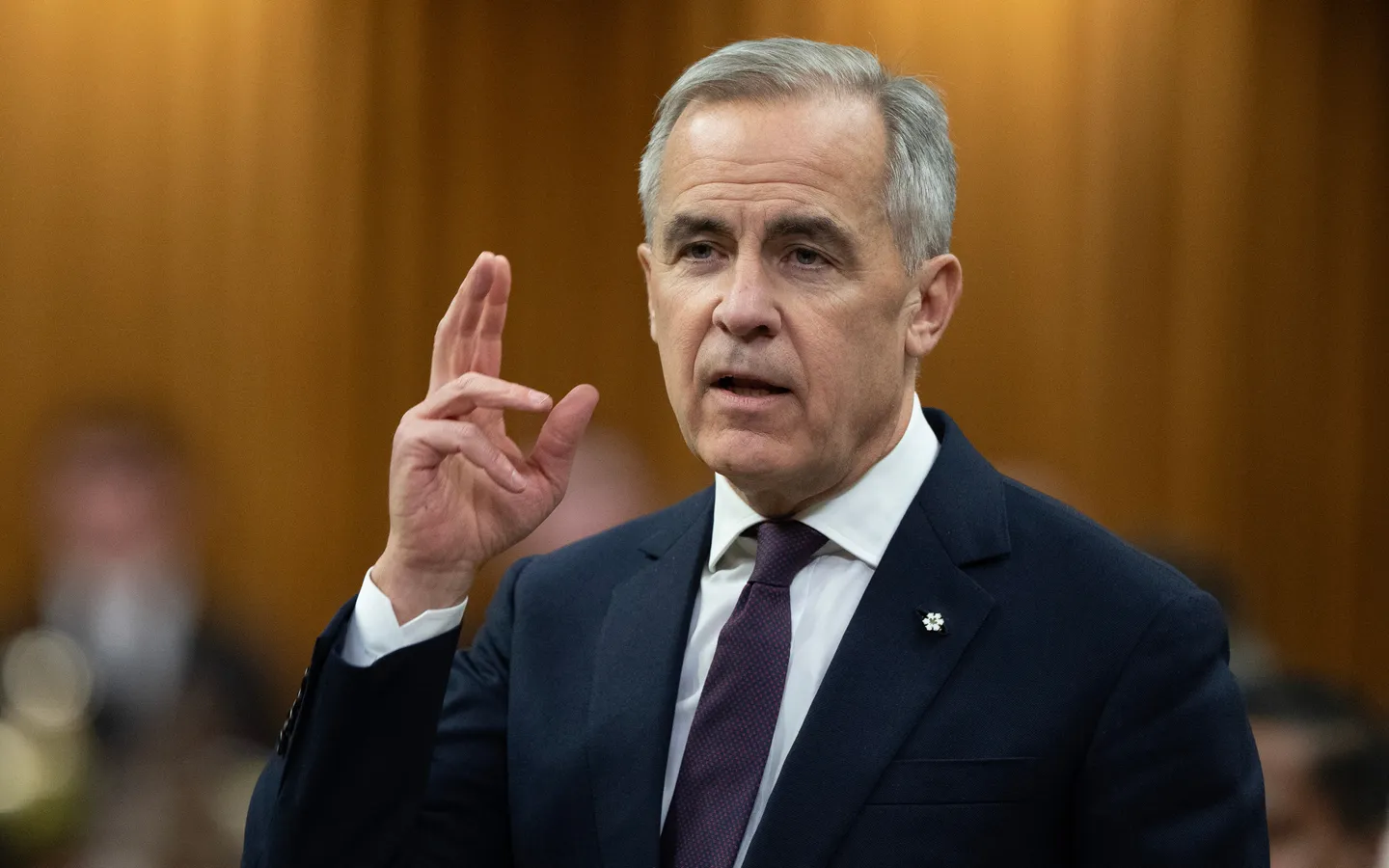
Canada’s Liberal government survived by a white-knuckle two-vote margin on its proposed CAN$141 billion ($100 billion) budget, meaning the country will be spared the turmoil of a federal election.
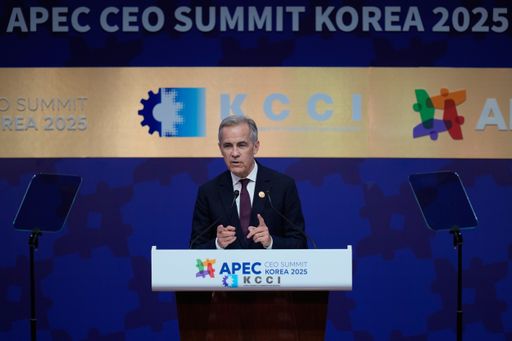
It was the slimmest of wins – 170 to 168 – for Prime Minister Mark Carney’s Liberals and it may have failed if a Conservative lawmaker had not abandoned his party ahead of the vote and “crossed the floor” to join the Liberals.
There are 343 seats in Parliament, and debate raged back and forth up to the Monday vote.
It was a touch-and-go vote to get the necessary majority to pass the budget. Two members of the New Democratic Party and two Conservatives abstained from voting.
In dramatic fashion, Green Party leader Elizabeth May, who had been sitting on the fence, met with Carney on Monday morning and she was promised some environmental measures. It was enough for May, who said she would now vote in favour of the budget – and did.
The final vote took only about 20 minutes.
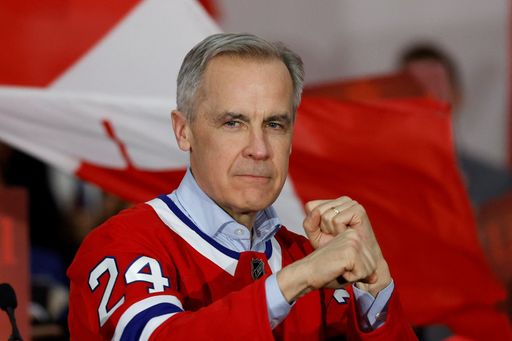
Carney pushes fiscal plan despite opposition






Don Davies, interim leader of the New Democratic Party, said that although the budget did not meet the needs of Canadians, it was right to pass it.
The budget “failed to meet the moment,” Davies said, but “Canadians did not want an election only six months after the last one.”
The Conservative Party voted against it because, said leader Pierre Poilievre, it would balloon the country’s deficit.
Carney's budget, an economic blueprint for the next fiscal year, proposed doubling the fiscal deficit to counter US tariffs and fund defence and housing programs. While it proposed reducing the number of federal government employees, the budget did not have as many austerity measures as some had feared.
Recent polls suggest that if an election were held now the Liberals would retain power.
The official right-of-centre opposition Conservative Party is dealing with internal dissent after it lost an April election to the Liberals and leader Pierre Poilievre faces a formal review of his performance in January.