 Hursit Dingil
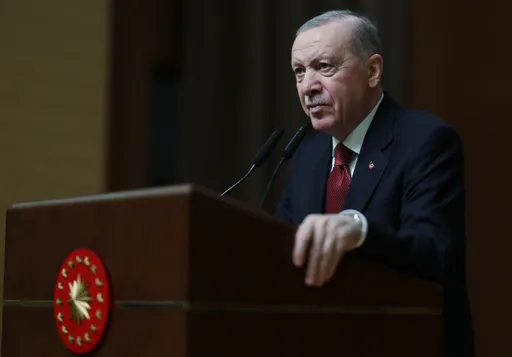
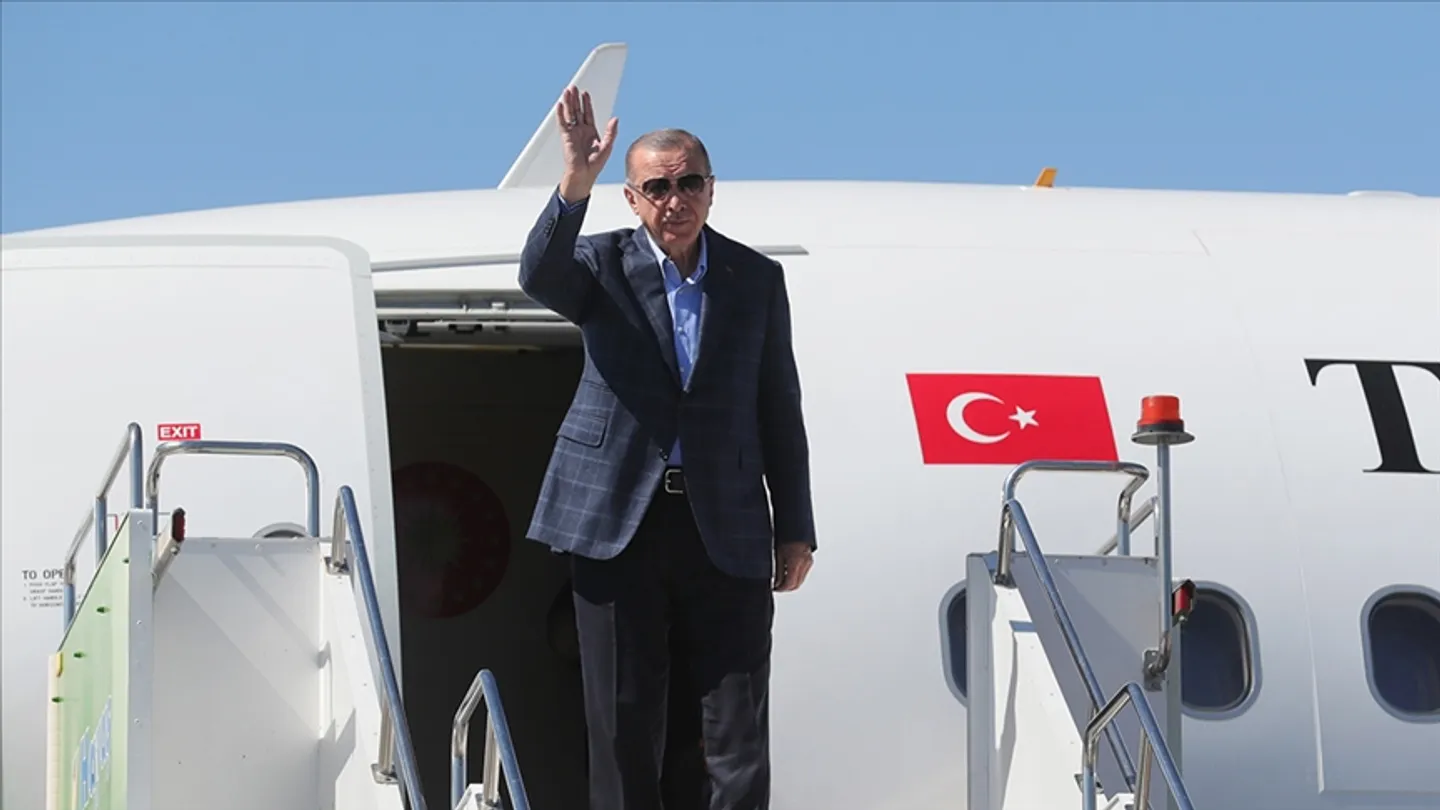
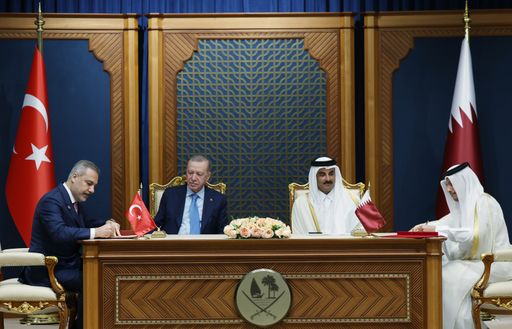
Between October 21 and 23, President Recep Tayyip Erdogan embarked on a three-day official tour of the Gulf, aiming to strengthen Türkiye’s bilateral relations with Kuwait, Qatar, and Oman across various sectors, including economics, politics, and defence.
The visit resulted in the signing of 24 agreements, memoranda, and joint statements.
However, the core agenda was not limited to the usual topics of bilateral relations.
Instead, the main issues on the table were regional challenges, including Israel’s expansionist policies, the Gaza ceasefire, and Syria's regional integration.
These subjects not only intersect with Türkiye’s regional security priorities but also reflect the broader security architecture in which the Gulf states play a significant role.
The timing of Erdogan’s visit is crucial, coming shortly after the Gaza peace plan was signed at the Sharm el-Sheikh Peace Summit in Egypt.
This immediately shifted the focus to implementing the ceasefire and the post-ceasefire process in Gaza.
Gaza and beyond
With Gulf countries expected to play a key role in this process, the shared objective of maintaining peace and ensuring gradual stabilisation in Gaza became central to the discussions.
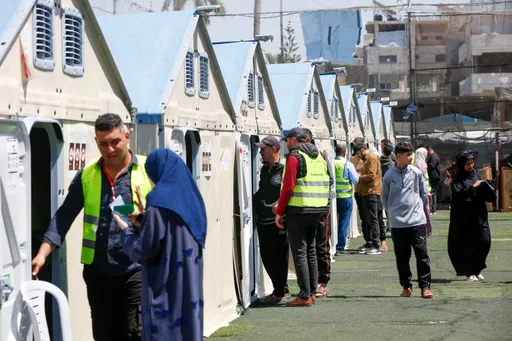
Key issues on the table included the uninterrupted delivery of humanitarian aid, the rapid establishment and deployment of an international peacekeeping force, Gaza’s reconstruction, and the post-war governance framework.
These topics are directly related, as the Gulf states, especially with their economic capabilities, are expected to play a contributing role in Gaza’s reconstruction, thereby driving the overall process forward.
Moreover, Türkiye’s role as a key mediator in the ceasefire discussions adds further significance to Erdogan’s tour.
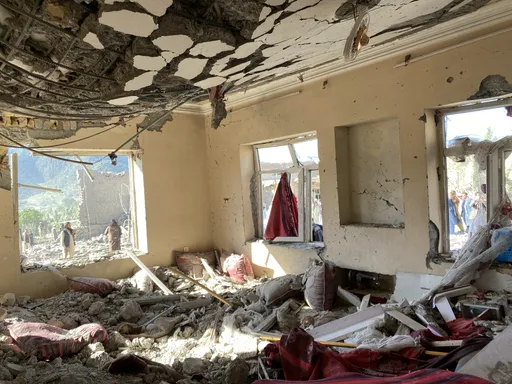
The visit underscores a clear effort to ensure the Gaza ceasefire is upheld, especially given Israel’s ongoing violations and the rising number of infringements.
The stance of Türkiye and the Gulf countries is pivotal in maintaining a stable and unified position, which could even put pressure on the United States to hold Israel accountable for any future violations.
Unlike Kuwait and Oman, Qatar and Türkiye took an active mediating role at the Sharm el-Sheikh summit, stressing the importance of solidifying political will to preserve peace in Gaza and prevent further violations by Israel.
In addition to Gaza, another key focus of Erdogan’s three-legged diplomatic tour is the political and economic reintegration of the Syrian government established after the December 8 revolution.
Integrating Syria as a stable actor in the region is also a matter of concern for the Gulf countries within the broader regional security framework.
Strengthening economic and diplomatic ties between the new Syrian government and the Gulf states would reinforce stability trends and, ultimately, contribute to ensuring regional security.
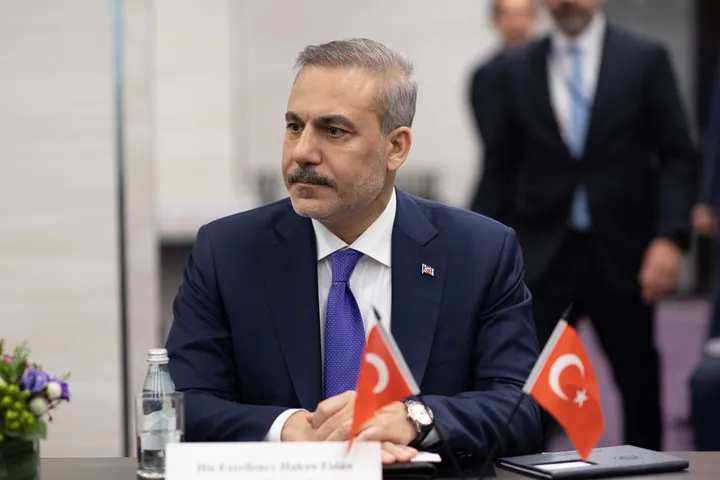
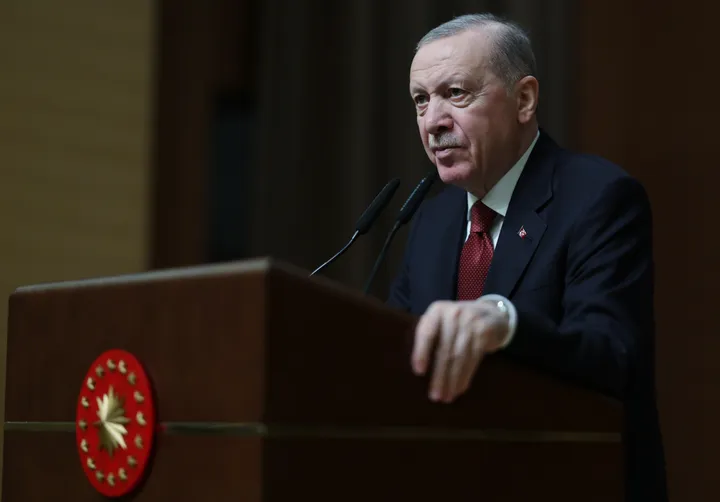
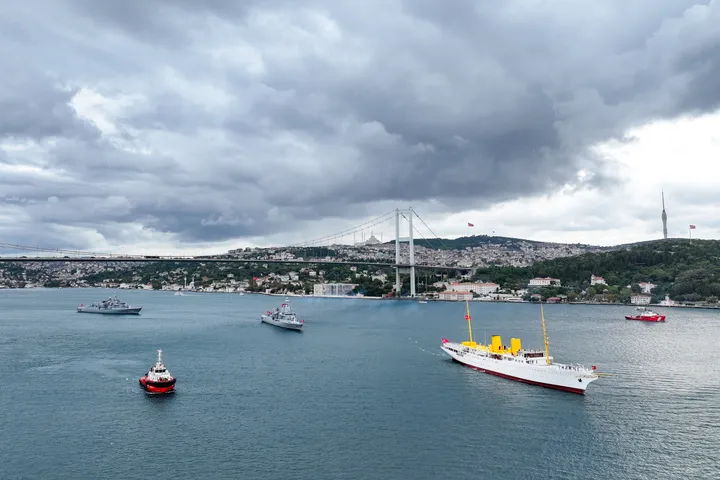
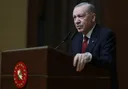

Although the tour was focused on bilateral relations, Erdogan’s leader-to-leader diplomacy has set the stage for all countries to engage as collective and responsible actors in regional security.
Regional security
On the other hand, Israel’s rising expansionist policies, particularly following the September 9 attack on Qatar, have dramatically reshaped Gulf countries’ security perceptions.
This shift has prompted them to explore alternative security arrangements.
Despite US security guarantees, the Doha attack was perceived as a direct threat, leading Qatar and other Gulf states to renew their security commitments with the United States.
At the same time, the Gulf countries have sought to forge alternative alliances with regional powers other than the US that possess strong military capabilities.
For instance, Saudi Arabia has formed a defence alliance with Pakistan.
In this evolving landscape, Türkiye, backed by its robust military and defence industry with combat-proven capabilities across various conflict zones, is increasingly seen as a key security player in the region.
The security and defence trends that have emerged since 2019 are particularly significant in shaping this position.
The 2019 Abqaiq attack heightened defence concerns, leading to greater reliance on US military procurements and defence spending to counter asymmetric threats from Iran and its regional proxies.
However, the Doha attack has shifted this dynamic. The focus is now on reducing dependence on US military support, with an emphasis on building independent defence industries and diversifying procurement sources.
Israel’s regional policies and its attack on Qatar have accelerated this shift, marking a new turning point in regional security.
The Gulf countries, particularly in the wake of October 7, are focusing more on localising their defence industries and diversifying their sources of procurement.
This shift is in response to changes in US Middle East policies and the resulting evolution in the region's security architecture.
As the US reduces its role as the primary security guarantor, Gulf states are increasingly turning to regional powers like Türkiye to fill the security vacuum.
President Erdogan’s three-legged Gulf tour aligns with these emerging trends, reinforcing Türkiye’s position as a key security provider in the region.