Suspected militants allied with Daesh have set off powerful bombs in a southern Philippine town despite extra tight security because of threats of attacks by Daesh group-aligned militants, military officials have said.
The bombings were staged as the government grapples with the highest number of coronavirus infections in Southeast Asia.
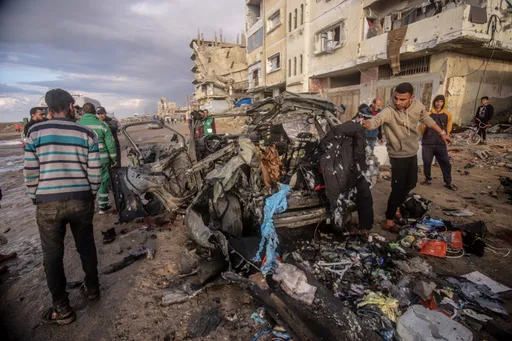
Monday's twin blasts including a suicide bombing killed 15 people and wounded 75 others on restive southern Philippine island of Jolo.
Most of the victims were military and police personnel, with some civilians, including children.
The island in Sulu province is a stronghold of the terrorist group Abu Sayyaf, which pledged allegiance to Daesh.
Regional military commander Lieutenant General Corleto Vinluan said at least five soldiers and four civilians were killed in the first attack when a bomb attached to a motorbike exploded at noon near two parked army trucks in front of a grocery and a computer shop in Jolo town in Sulu province.
“It was a vehicle-borne improvised explosive device which exploded while our soldiers were on a marketing run,” Vinluan told reporters.
A second blast nearby, apparently from a female suicide attacker, occurred about an hour later and killed the bomber and a soldier, Vinluan and other officials said.
“A soldier was checking on somebody then there was another explosion,” Vinluan said.
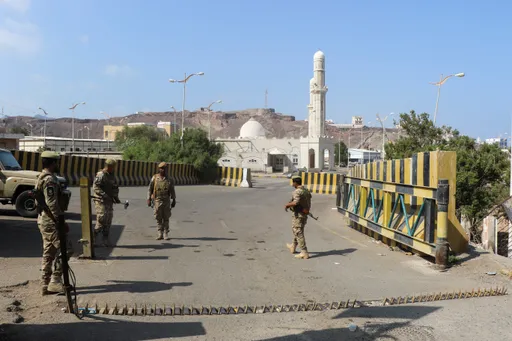
A third unexploded bomb was reportedly found in a public market. Jolo was immediately placed in a security lockdown by troops and police.
Nearly 40 soldiers, police and civilians were wounded in the bomb attacks, military and police officials said.
READ MORE: DNA tests confirm death of senior Daesh-linked militant in the Philippines
Both bombs are believed to be homemade and were triggered within an hour of each other in the main urban centre.



"We condemn in the strongest possible terms the explosion incidents in Jolo," presidential spokesman Harry Roque said. "Authorities are now conducting an investigation, which includes identifying individuals or groups behind these dastardly attacks."
Snipers were deployed in the area to guard against more bombers as the victims were carried to an ambulance and Jolo was immediately placed in a security lockdown by troops and police.
READ MORE: Philippines court convicts journalist Maria Ressa in libel case
Abu Sayyaf commander blamed
The first bombing was carried out near a town plaza and a Roman Catholic cathedral in the predominantly Muslim province. The country’s southern region is home to minority Muslims in the largely Roman Catholic nation and has been the scene of decades of separatist unrest, particularly in far-flung island provinces like Jolo.
There was no immediate claim of responsibility for the attack, but the military blamed an Abu Sayyaf militant commander, Mundi Sawadjaan, for the bombings.
The military has been waging a months-long offensive against the Abu Sayyaf, a small but violent terror group aligned with radical insurgencies and blacklisted by the US and Philippines for past bombings, ransom kidnappings and beheadings.
Monday's blast was the biggest attack of its kind in the southern Philippines since January 2019, when twin suicide bombings before Sunday service at a Jolo church killed more than 20 people and wounded at least 100. The incident was one of at least six suicide bombings in the past three years, a mode of attack previously rare in the Philippines.
READ MORE: UN office denounces human rights violations in Philippines
The number of its armed fighters have dwindled to a few hundred in recent years due to battle setbacks and surrenders, including a key commander, Abduljihad Susukan, who gave himself up to authorities two weeks ago after being wounded in battle.
Susukan has been blamed for kidnappings and beheadings of hostages, including foreign tourists, and surrendered through a Muslim rebel chief, who has signed a peace deal and has been cooperating with the government.
He is now in police custody and faces multiple murder charges.