Hatem Shurrab
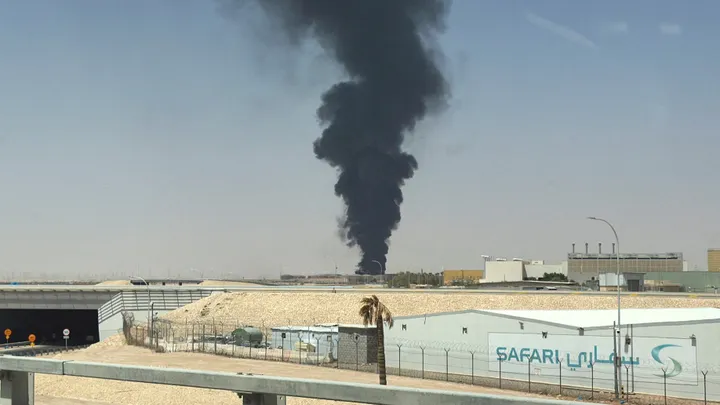
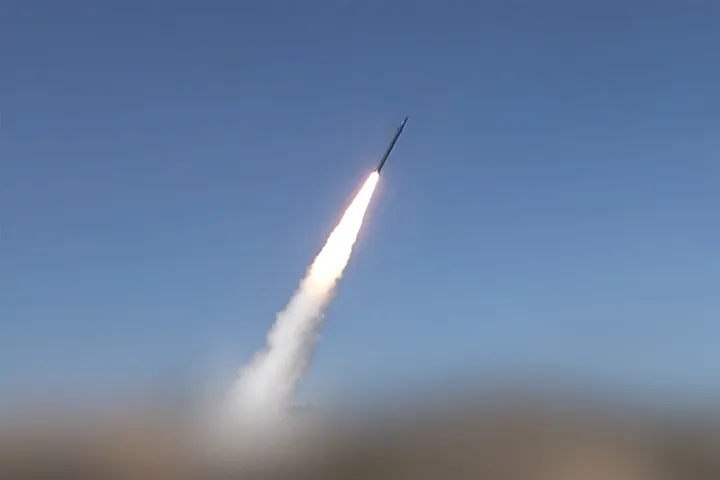
The US has removed its most advanced missile defense system and Patriot batteries from Saudi Arabia in recent weeks, even as the kingdom faced continued air attacks from Yemen's Houthi rebels, satellite photos analysed by The Associated Press show.
The redeployment of the defences from Prince Sultan Air Base outside of Riyadh came as America's Gulf Arab allies nervously watched the chaotic withdrawal of US troops from Afghanistan, including their last-minute evacuations from Kabul's besieged international airport.
While tens of thousands of American forces remain across the Arabian Peninsula as a counterweight to Iran, Gulf Arab nations worry about the US's future plans as its military perceives a growing threat in Asia that requires those missile defences.
Tensions remain high as negotiations appear stalled in Vienna over Iran's collapsed nuclear deal with world powers, raising the danger of future confrontations in the region.
READ MORE: Saudi Arabia 'intercepts' Houthi missiles, debris damages homes
Prince Sultan Air Base, some 115 kilometres (70 miles) southeast of Riyadh, has hosted several thousand US troops since a 2019 missile-and-drone attack on the heart of the kingdom's oil production.
That attack, though claimed by Yemen's Houthi rebels, appears instead to have been carried out by Iran, according to experts and physical debris left behind.
Tehran has denied launching the attack, though a drill in January saw Iranian paramilitary forces use similar drones.
Just southwest of the air base's runway, a one-square-kilometre (third-of-a-square-mile) area set off by an earthen berm saw American forces station Patriot missile batteries, as well as one advanced Terminal High Altitude Area Defense unit, according to satellite images from Planet Labs Inc.
A THAAD can destroy ballistic missiles at a higher altitude than Patriots.
A satellite image seen by the AP in late August showed some of the batteries removed from the area, though activity and vehicles still could be seen there.
A high-resolution Planet Lab satellite picture taken on Friday showed the batteries' pads at the site empty, with no visible activity.
READ MORE: Biden terminates US support for Saudi-led offensive in Yemen

Pentagon confirms
Pentagon spokesperson John Kirby acknowledged “the redeployment of certain air defence assets” after receiving questions from the AP. He said the US maintained a “broad and deep” commitment to its Mideast allies.
"The Defense Department continues to maintain tens of thousands of forces and a robust force posture in the Middle East representing some of our most advanced air power and maritime capabilities, in support of US national interests and our regional partnerships,” Kirby said.
In a statement to the AP, the Saudi Defence Ministry described the kingdom's relationship with the US as “strong, longstanding and historic” even while acknowledging the withdrawal of the American missile defence systems. It said the Saudi military “is capable of defending its lands, seas and airspace, and protecting its people.”
READ MORE: US announces $165 million in new aid to Yemen amid stalemate
“The redeployment of some defence capabilities of the friendly United States of America from the region is carried out through common understanding and realignment of defence strategies as an attribute of operational deployment and disposition,” the statement said.
Despite those assurances, Saudi Prince Turki al Faisal, the kingdom's former intelligence chief whose public remarks often track with the thoughts of its Al Saud ruling family, has linked the Patriot missile deployments directly to America's relationship to Riyadh.
“I think we need to be reassured about American commitment,” the prince told CNBC in an interview aired this week. "That looks like, for example, not withdrawing Patriot missiles from Saudi Arabia at a time when Saudi Arabia is the victim of missile attacks and drone attacks — not just from Yemen, but from Iran.”
Saudi Arabia maintains its own Patriot missile batteries and typically fires two missiles at an incoming target. That's become an expensive proposition amid the Houthi campaign, as each Patriot missile costs more than $3 million.
The kingdom also claims to intercept nearly every missile and drone launched at the kingdom, an incredibly high success rate previously questioned by experts.
READ MORE: Will the Houthis accept the Saudi ceasefire offer to end the Yemen war?