 Kazim Alam
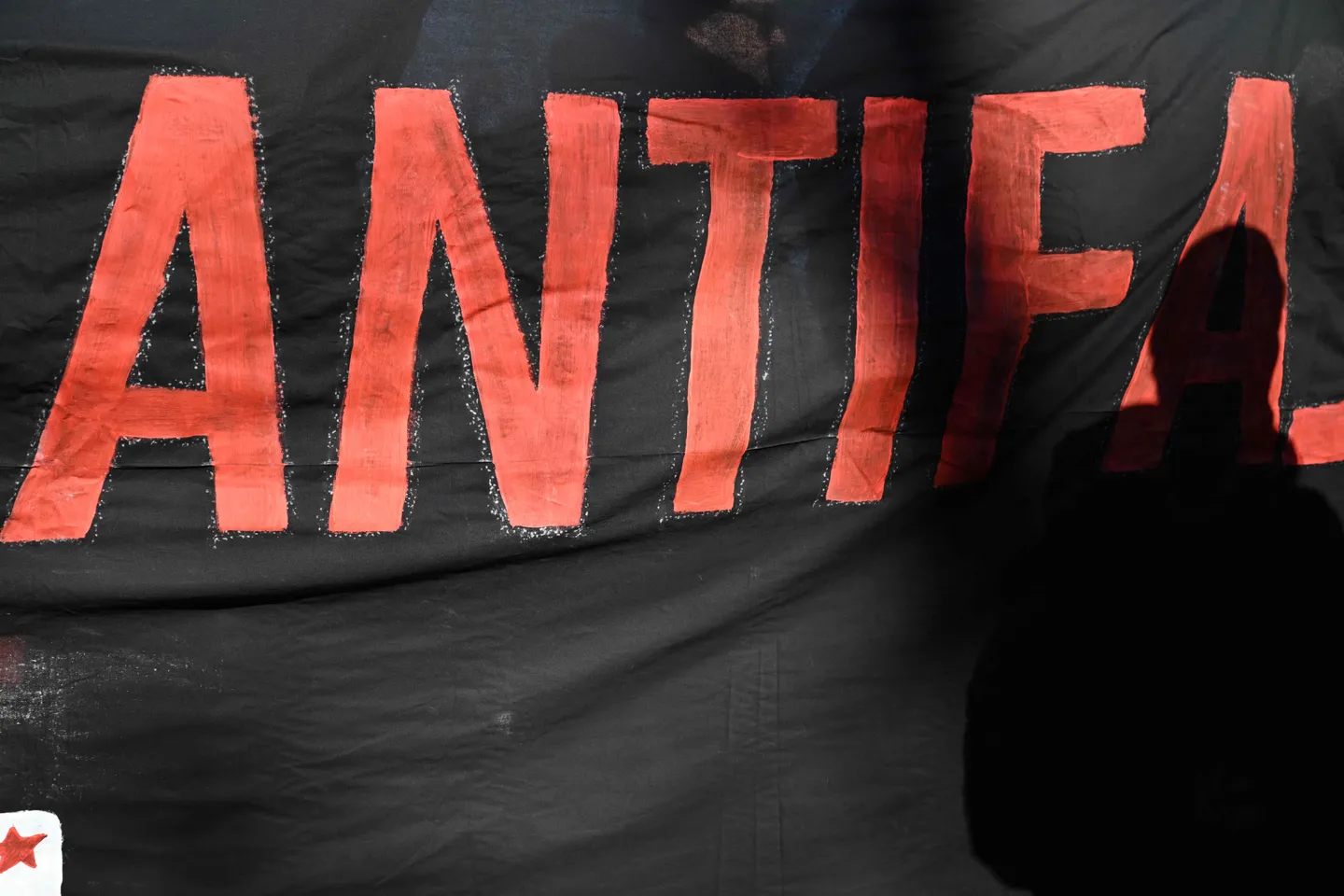
As the US designates Antifa as a domestic terrorist organisation, a shadowy pipeline from Syria’s battlefields threatens to bring hardened terrorists straight into American cities.
Since 2014, scores of US-based Antifa sympathisers have slipped across borders to join the YPG, the Syrian affiliate of the PKK, a group blacklisted as terrorists by Washington, the EU and Ankara alike.
Over the years, these so-called “volunteers” have received paramilitary training and combat experience in north-eastern Syria.
In north-eastern Syria, the YPG carved out a de facto autonomous zone under the umbrella of the US-backed SDF.
As these experienced terrorists return to the US after opposition forces toppled the Assad regime in Syria last December, experts warn of a ticking time bomb for US internal security.
The Trump administration has launched a crackdown on far-left groups like Antifa, blaming them for political violence and radicalisation of the American youth.
The crackdown intensified last month after the assassination of Charlie Kirk, a prominent leader of the conservative movement.
Many in the West celebrated these “volunteers” joining foreign training camps as idealistic anti-fascists, but Ankara sees a clear terrorist pipeline.
“There has been mounting evidence that members of the Antifa movement have travelled to Syria to join YPG-affiliated groups,” Oguzhan Bilgin, a professor of political science at Ankara Haci Bayram Veli University, tell TRT World.
Antifa members received military training in PKK/YPG camps and participated in terror campaigns against Turkish cross-border counterterrorism operations, he adds.
“This phenomenon raises significant security concerns for the US,” he says.
An investigative report in 2018 by US magazine Rolling Stone uncovered the Antifa Platoon, a unit of so-called leftist revolutionaries embedded within YPG ranks during the fight against another terror group, Daesh.
A lot of these fighters were “soldier-of-fortune types” as well as veterans of the Iraq and Afghanistan invasions. Many others were militant leftists and avowed communists.
Similarly, an investigative story by CNN in 2017 profiled American volunteers, including former soldiers, who fought in Syria against the Daesh terrorists.
These Western “volunteers” acted as combatants in Syria, absorbing guerrilla tactics from the PKK that Ankara holds responsible for the deaths of more than 40,000 people, including women, children, and infants.
A report by the Turkish National Police Academy warned that Antifa’s anti-capitalist zeal – mirroring the PKK's Marxist roots – lured far-left Westerners to Syrian training camps.
They learned in Syria small-arms handling and urban insurgency, which will pose serious security challenges once these foreign fighters return home.
Analysts say that turning a blind eye to the risks posed by returning terrorists constitutes a strategic vulnerability that Washington can ignore only at its own peril.
Bilgin says Antifa members established autonomous units within the YPG structure and were killed during Turkish military campaigns.
He says that these “combat-trained individuals” of Antifa could “engage in terrorist activities on US soil,” given their direct organisational and operational affiliation with the PKK, which has also been recognised as a terrorist entity by the EU.
The returnees – trained for ambushes and drone-spotting – could supercharge domestic unrest while posing a domestic terrorism risk upon their reintegration into the US, he says.
Transferability of combat experience
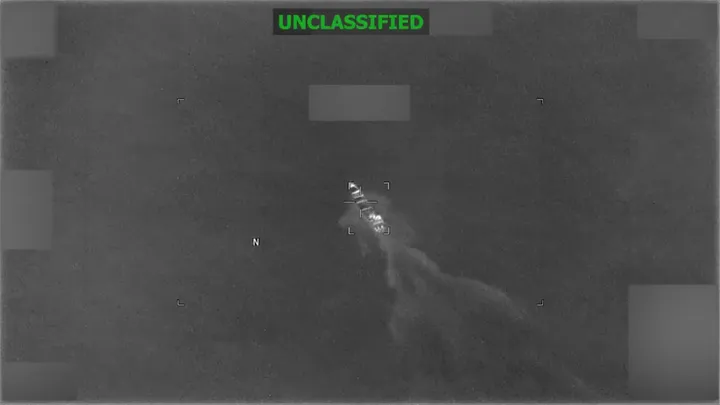


Türkiye’s counterterrorism operations over the years have neutralised dozens of such foreign fighters. But many slip back to the US and evade prosecution, thanks to Washington's “transactional alliance” with the SDF. The US-backed group, which controls much of north-east Syria, is set to integrate into the Syrian state apparatus.
Omer Ozkizilcik, a non-resident fellow at the Atlantic Council, underscores the transferability of combat experience.
“Syria has been one of the few places where Antifa-affiliated people were able to get military training and military experience,” he tells TRT World.
“The question is: How much of this military knowledge and military experience from these individuals can Antifa transfer to a broader network?”
Ozkizilcik says many in Antifa view their combat experience in north-eastern Syria as a “model” to learn from, and then try and repeat it elsewhere.
“They don't look at it as a US-supported counterterrorism operation against Daesh. They look at it as a people’s revolution in which a terrorist group managed to establish its own state,” he says.
Bilgin warns that escalating Antifa-YPG evidence demands “a radical change in US policy and cut in the support for YPG”. He calls it the “most significant contradiction in US-Türkiye relations”.
He urges Washington to confront “Antifa’s transnational allies” for policy consistency.
Yet Ozkizilcik tempers optimism. During Trump's first term, when Antifa’s presence in Syria peaked, Ankara and Washington “did not really engage” on this issue.
“The US was not interested. Will that change in Trump’s second term? We don't know yet,” he says.
Even US voices align with Ankara's urgency.
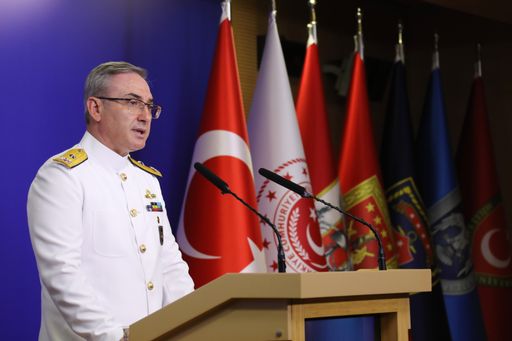
Matthew Bryza, former US ambassador to Azerbaijan and an Istanbul-based Eurasian expert, advocates SDF integration into Syria's national army – a step echoing Turkish demands to dismantle YPG autonomy.
“My policy recommendation for the Trump administration would be to insist that the YPG and the SDF integrate into Syria's national army, which the US government is now doing,” Bryza tells TRT World.
“With the US having said that its relationship to YPG was transactional and temporary, it is now absolutely time... to be intense in pressuring the SDF to integrate,” he says.
Bilgin concurs, proposing the US should promote the dissolution of the SDF and facilitate the reintegration of its forces into the formal Syrian military framework.
“Only through a centralised and unitary Syrian state structure can the transnational dimensions of the Antifa-PKK nexus be effectively neutralised,” he says.
Ozkizilcik goes further, calling the US presence “obsolete” in Syria.
“The US should withdraw from Syria fully and engage with Damascus and hand over everything to Damascus... It will be a win-win situation from our perspective,” he says.
Doing so will shrink Antifa’s “operational room” while stabilising the wider region, he adds.